
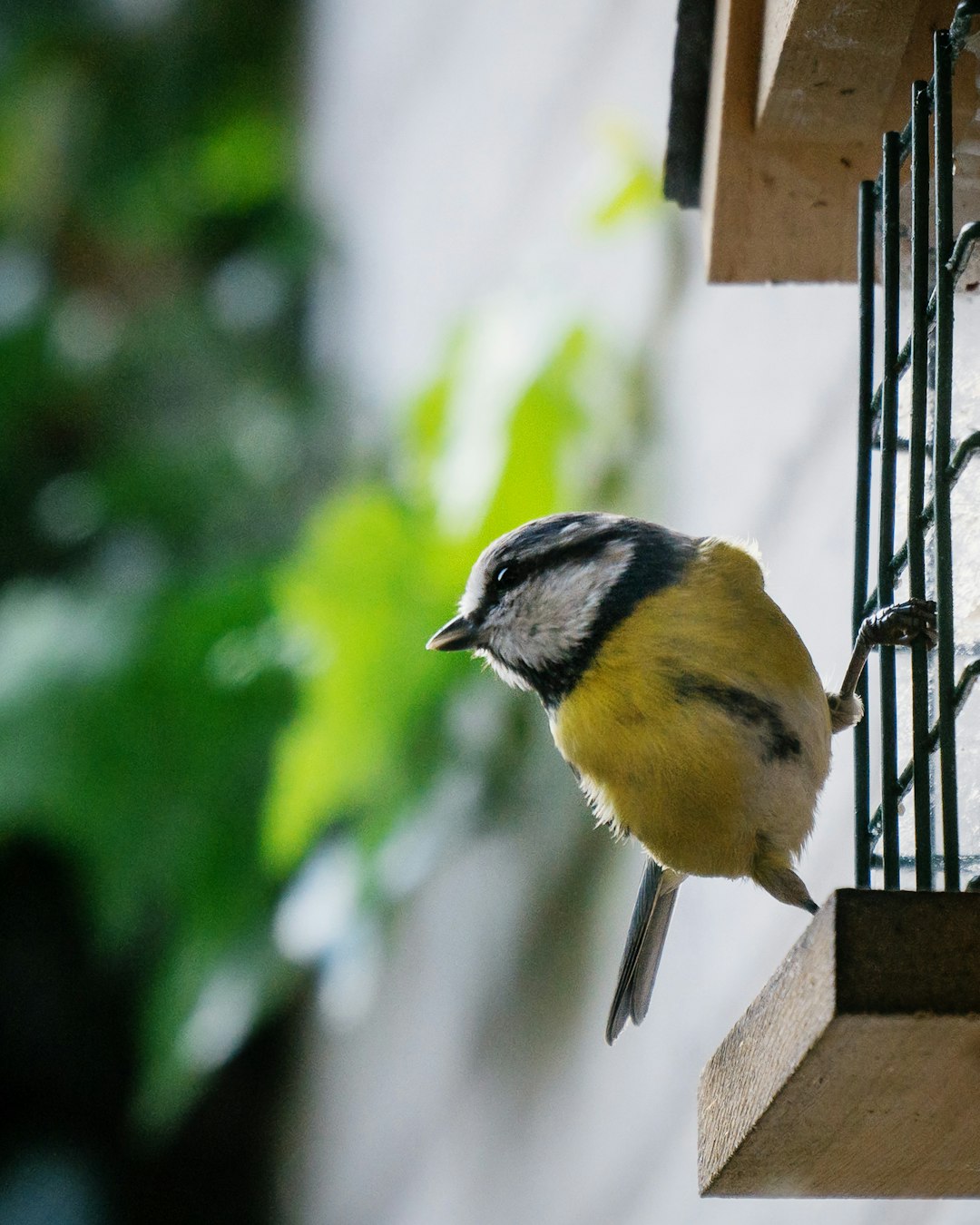
Spring is a time of renewal, and for many gardeners, it signals the start of yard cleanup season. However, rushing into yard cleanup too early in the spring can have unintended negative consequences, especially for pollinators and other beneficial insects. In this article, we'll explore why timing is crucial for spring garden cleanup and provide you with tips to ensure you're doing it at the best time to support these vital creatures.
### The Importance of Pollinators and Beneficial Insects
Pollinators, such as bees, butterflies, and hummingbirds, play a critical role in our ecosystem. They are responsible for pollinating a significant portion of the world's food crops, as well as many wildflowers and plants. Without them, our gardens and natural landscapes would suffer, and food production would be severely impacted. Beneficial insects, like ladybugs and lacewings, also help control pests in the garden, reducing the need for chemical pesticides.
### The Problem with Early Spring Cleanup
When you clean up your yard too early in the spring, you may be removing important habitats and food sources for pollinators and beneficial insects. Many of these creatures overwinter in plant debris, such as fallen leaves, dead stems, and hollow plant stalks. By clearing away this debris before they have a chance to emerge, you're essentially evicting them from their homes and leaving them without a place to shelter and feed.
For example, bumblebees often build their nests in abandoned rodent burrows or under piles of leaves. If you clean up these areas too early, you may destroy their nests and prevent them from establishing colonies in your garden. Similarly, many butterflies and moths overwinter as caterpillars or pupae in leaf litter or on the stems of plants. Removing this debris can disrupt their life cycles and reduce their populations.
### When to Clean Up Your Yard
So, when is the best time to clean up your yard in the spring? The answer depends on several factors, including your location, the type of plants in your garden, and the specific needs of the pollinators and beneficial insects in your area. In general, it's best to wait until the soil has warmed up and the risk of frost has passed before starting your cleanup.
One way to determine when it's safe to clean up is to observe the plants in your garden. When you start to see new growth emerging from the ground, such as shoots from perennials or buds on trees and shrubs, it's a sign that the soil has warmed up enough for the insects to be active. You can also look for signs of pollinators, such as bees visiting early-blooming flowers, to indicate that it's time to start cleaning up.
### Tips for Spring Garden Cleanup
Once you've determined that it's the right time to clean up your yard, here are some tips to help you do it in a way that supports pollinators and beneficial insects:
- Leave some plant debris: Instead of removing all the fallen leaves and dead stems from your garden, leave some in place. You can create small piles of leaves in a corner of your yard or leave them under shrubs and trees to provide habitat for overwintering insects. You can also leave some dead plant stalks standing, as they can provide nesting sites for bees and other insects.
- Prune selectively: When pruning your plants, be careful not to remove too much growth. Many pollinators and beneficial insects rely on the nectar and pollen from early-blooming flowers, so leaving some of these flowers intact can help support them. You can also prune your plants in a way that creates cavities and hiding places for insects, such as leaving some branches with hollow centers.
- Use organic mulch: Instead of using chemical fertilizers and pesticides, opt for organic mulch, such as compost or shredded leaves. Organic mulch helps retain moisture in the soil, suppress weeds, and provide nutrients for your plants. It also provides a habitat for beneficial insects, such as earthworms, which help aerate the soil and improve its structure.
- Plant native plants: Native plants are adapted to the local climate and soil conditions, and they provide food and habitat for native pollinators and beneficial insects. When choosing plants for your garden, look for species that are native to your area and that bloom at different times throughout the growing season. This will ensure that there is a continuous supply of nectar and pollen for the insects in your garden.
### Conclusion
Spring garden cleanup is an important part of maintaining a healthy and beautiful yard, but it's essential to do it at the right time and in a way that supports pollinators and beneficial insects. By waiting until the soil has warmed up and the risk of frost has passed, leaving some plant debris in place, pruning selectively, using organic mulch, and planting native plants, you can create a garden that is not only beautiful but also beneficial to the environment.
So, this spring, take a little extra time to plan your yard cleanup and make sure you're doing it in a way that helps out the pollinators and other beneficial insects in your area. Your garden will thank you, and you'll be rewarded with a thriving ecosystem of beautiful flowers, healthy plants, and buzzing insects.