When it comes to gardening, there are countless tips and tricks passed down through generations, and one of the most talked - about is using coffee grounds to change the color of hydrangea flowers. Many gardeners believe that adding coffee grounds to the soil around hydrangeas can turn their blooms blue. However, this popular garden hack might not be as beneficial as it seems and could actually do more harm than good.
First, let's understand the science behind hydrangea flower color. The color of hydrangea blooms is primarily determined by the pH level of the soil and the availability of aluminum ions. In acidic soil (pH below 6.0), hydrangeas can absorb aluminum, which results in blue flowers. In alkaline soil (pH above 7.0), the aluminum is less available, and the flowers tend to be pink. Neutral soil often produces purple - hued hydrangeas.
Now, let's examine the claim about coffee grounds. Coffee grounds are acidic, and it is assumed that adding them to the soil will lower the pH and make it more acidic, thus facilitating the absorption of aluminum and turning the flowers blue. While coffee grounds do have some acidic properties, their impact on soil pH is often overestimated. In fact, the amount of acid in coffee grounds is relatively small, and it would take a large quantity of coffee grounds to significantly lower the soil pH. Moreover, coffee grounds decompose slowly, and their effect on soil acidity may be short - lived.
Another issue with using coffee grounds is that they can attract pests. As coffee grounds break down, they can create an environment that is appealing to slugs, snails, and other garden pests. These pests can cause damage to the hydrangea plants, eating holes in the leaves and flowers, and potentially spreading diseases.
So, if coffee grounds aren't the best option, what are better ways to turn hydrangeas blue? One of the most effective methods is to use aluminum sulfate. Aluminum sulfate is a chemical compound that can be easily found at garden centers. When applied to the soil according to the package instructions, it can quickly lower the soil pH and provide a readily available source of aluminum for the hydrangeas. This usually results in vibrant blue flowers.
Another natural alternative is to use pine needles or peat moss. Pine needles are acidic and can be used as a mulch around the base of the hydrangea plants. As they decompose, they gradually lower the soil pH. Peat moss can be mixed into the soil during planting or added as a top - dressing. It is also highly acidic and can help create the ideal conditions for blue hydrangea blooms.
When applying any method to change the color of hydrangeas, it's important to test the soil regularly. You can use a soil testing kit, which is available at most gardening stores. This will help you monitor the pH level and ensure that you are making the right adjustments. If the soil pH is too low or too high, it can have a negative impact on the overall health of the hydrangea plants.
Proper watering is also crucial for the health of hydrangeas. Hydrangeas prefer moist but well - drained soil. Over - watering can lead to root rot, while under - watering can cause the plants to become stressed and produce fewer flowers. Water deeply and evenly, and make sure the soil has good drainage to prevent waterlogging.
Additionally, fertilizing hydrangeas is essential. A balanced fertilizer formulated for acid - loving plants can provide the necessary nutrients for healthy growth. However, be careful not to over - fertilize, as this can lead to excessive foliage growth at the expense of flower production.
In conclusion, while the idea of using coffee grounds to change hydrangea flower color is appealing, it's not the most practical or effective method. By understanding the science behind hydrangea color and using proven techniques such as aluminum sulfate, pine needles, or peat moss, you can achieve beautiful blue hydrangea blooms while keeping your plants healthy and pest - free. With proper care, your hydrangea garden will be a sight to behold.
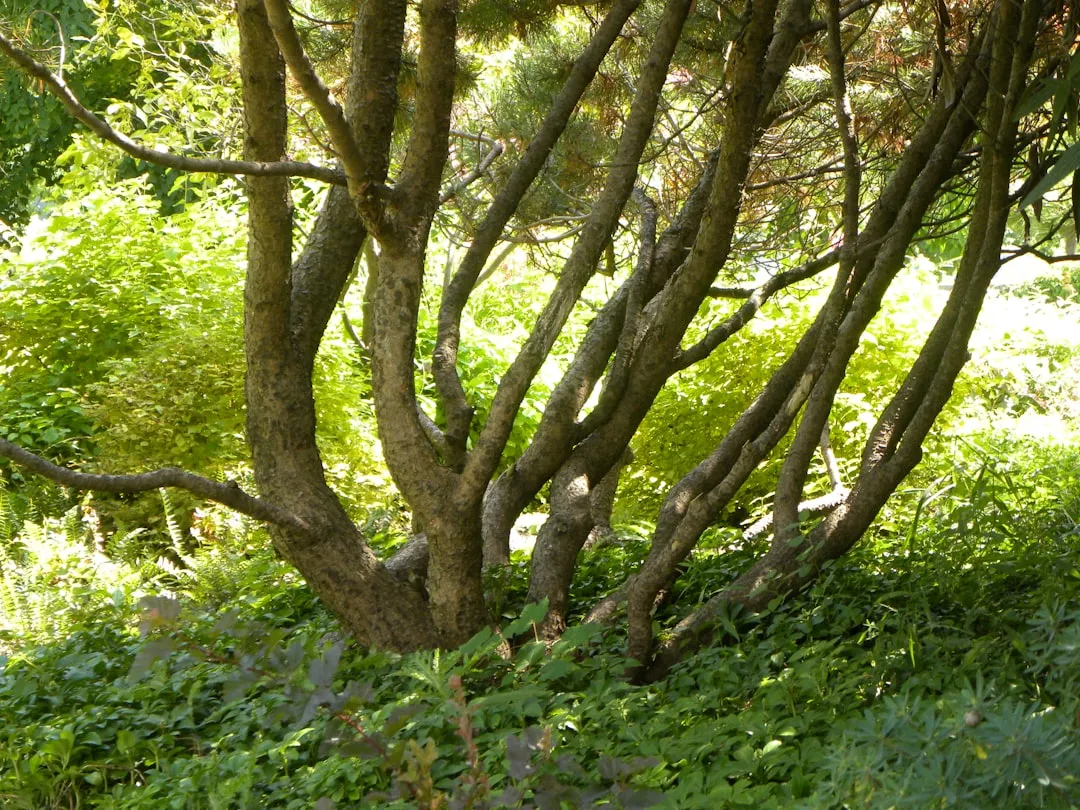
The Enchanting Allure of the Hawthorn Tree
The Enchanting Allure of the Hawthorn Tree
The Magic of Low - Maintenance Shade Trees in Your Landscape
The Magic of Low - Maintenance Shade Trees in Your Landscape
Blue Hydrangeas: A Splash of Color in Your Garden
Blue Hydrangeas: A Splash of Color in Your Garden
Unveiling the Mysteries of Lawn Mushroom Circles and Prevention Tips
Unveiling the Mysteries of Lawn Mushroom Circles and Prevention Tips
The Secret to a Thriving Yard: Fertilizer Mastery
The Secret to a Thriving Yard: Fertilizer Mastery
Pre - Winter Yard Preparation: A Smart Move
Pre - Winter Yard Preparation: A Smart Move
Gardening's Tiny Menace: Cucumber Beetles Unveiled
Gardening's Tiny Menace: Cucumber Beetles Unveiled
Reclaim Your Container Gardens from Ants
Reclaim Your Container Gardens from Ants
Nature's Defense: Keeping Fleas and Ticks at Bay with Garden Plants
Nature's Defense: Keeping Fleas and Ticks at Bay with Garden Plants
Battling the Tiny Invaders in Your Garden
Battling the Tiny Invaders in Your Garden
The Hidden Gems of Your Garden: Alpine Strawberries
The Hidden Gems of Your Garden: Alpine Strawberries
Unveiling the Secrets of Lavender Harvesting
Unveiling the Secrets of Lavender Harvesting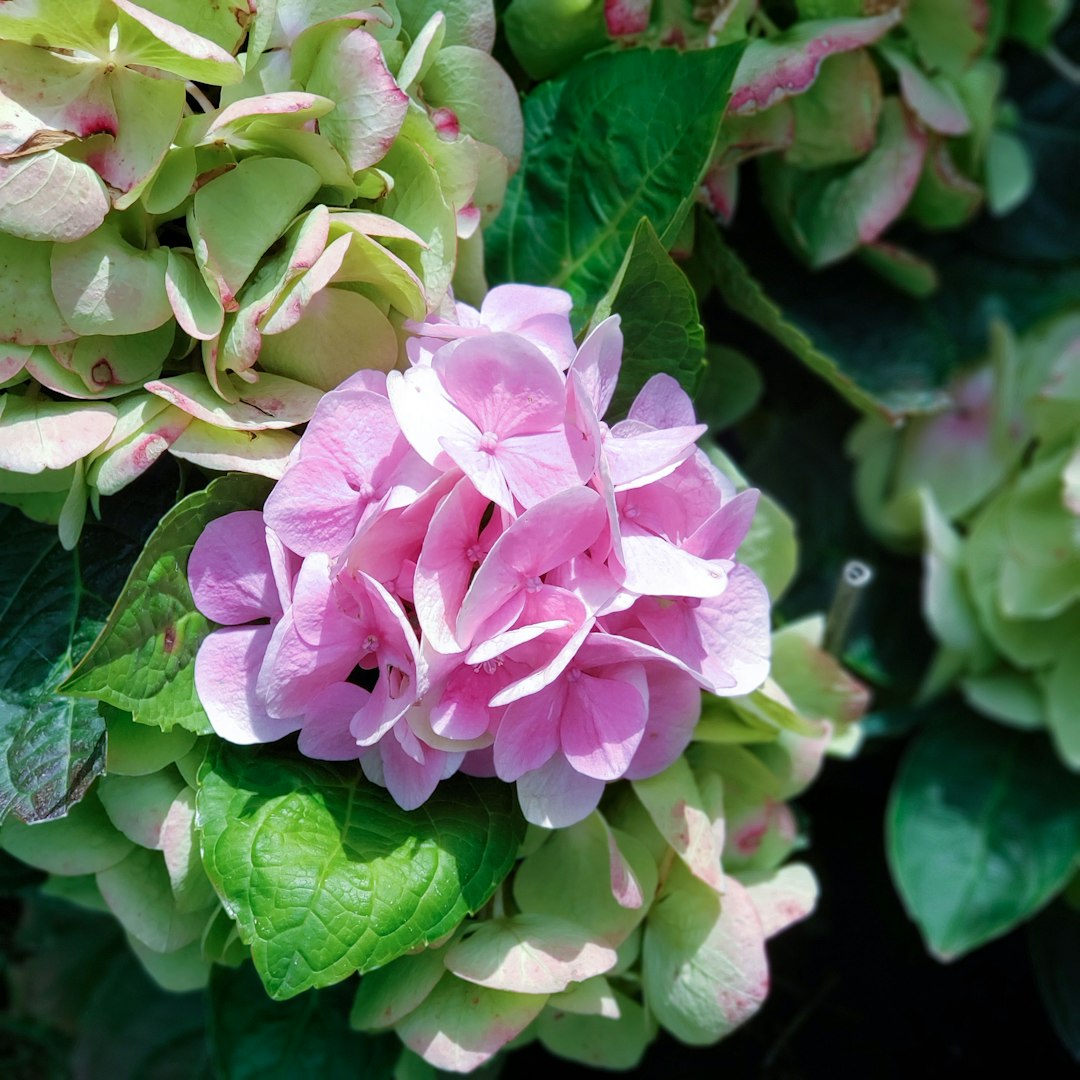
Unveiling the Secrets of Kale Harvesting
Unveiling the Secrets of Kale Harvesting
The Secret to Thriving Indoor Plants: Fertilization Guide
The Secret to Thriving Indoor Plants: Fertilization Guide
The Secret to Thriving Aloe Vera in Your Home
The Secret to Thriving Aloe Vera in Your Home
The Secret to Thriving Indoor Plants: Pot Selection
The Secret to Thriving Indoor Plants: Pot Selection
The Allure of Indoor Trees: Elevating Your Space
The Allure of Indoor Trees: Elevating Your Space
Reviving Your Peace Lily: Unveiling the Secrets Behind Brown-Tipped Leaves
Reviving Your Peace Lily: Unveiling the Secrets Behind Brown-Tipped Leaves
The Secret to Thriving Houseplant Multiplication
The Secret to Thriving Houseplant Multiplication
The Secret to a Thriving Indoor Plant Oasis
The Secret to a Thriving Indoor Plant Oasis


