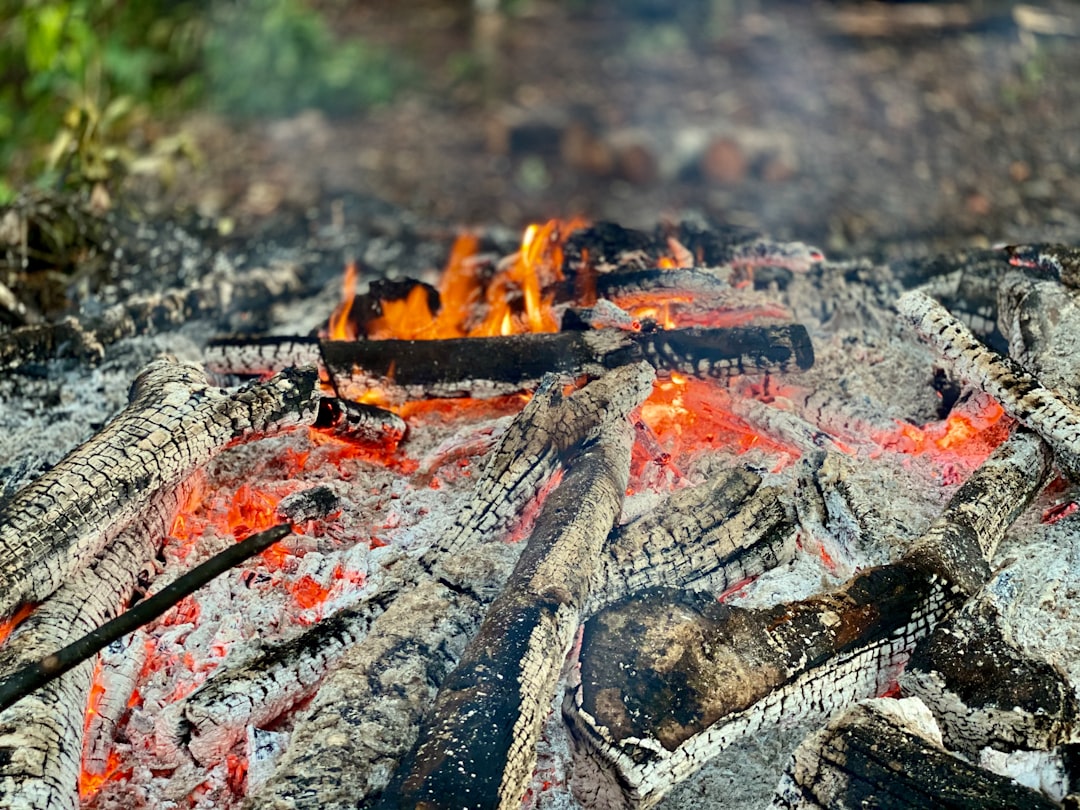
Wildfire smoke can pose a significant threat to your outdoor plants, but with the right knowledge and strategies, you can protect them both before the smoke arrives and help them recover once it's gone. We've consulted with garden experts to bring you the best tips for keeping your yard garden in top shape during these challenging times.
### Before the Smoke Blows In
One of the first steps you can take is to monitor air quality reports regularly. This will give you an early warning of when wildfire smoke might be approaching your area. Once you have an idea that smoke is on the way, it's time to start preparing your plants.
Watering your plants deeply is crucial. Well - hydrated plants are more resilient to the stress caused by smoke. The moisture in the soil helps the plants maintain their physiological functions and can also reduce the impact of any pollutants in the air. Make sure to water at the base of the plants to avoid wetting the leaves, as this can make them more susceptible to damage from the smoke.
Consider covering your more delicate plants with a breathable fabric. This can act as a physical barrier, filtering out some of the harmful particles in the smoke. However, make sure the fabric is not too tight or heavy, as it could restrict air circulation and damage the plants.
### During the Smoke Event
When the wildfire smoke is present, it's best to limit any unnecessary handling of your plants. The particles in the smoke can be abrasive and may cause damage if you touch the leaves or stems. Keep an eye on the plants, but avoid pruning or fertilizing during this time.
Reduce the amount of sunlight your plants receive. You can do this by moving potted plants to a shadier area or using shade cloth for larger garden beds. The combination of smoke and intense sunlight can be particularly harmful to plants, so providing some shade can help protect them.
### After the Smoke Has Gone
Once the smoke has cleared, it's time to assess the damage to your plants. Look for signs of stress such as yellowing leaves, wilting, or stunted growth. Gently rinse the leaves of your plants with water to remove any remaining smoke particles. This will help the plants breathe better and resume normal photosynthesis.
Prune any damaged or dead branches. This will not only improve the appearance of the plants but also encourage new growth. Make sure to use clean, sharp pruning tools to avoid spreading any diseases.
Feed your plants with a balanced fertilizer. This will provide them with the nutrients they need to recover from the stress of the smoke exposure. Follow the instructions on the fertilizer package carefully to avoid over - fertilizing, which can also harm the plants.
Continue to monitor the health of your plants in the weeks following the smoke event. Some damage may not be immediately apparent, and it's important to catch any issues early so you can take appropriate action.
By following these tips from garden experts, you can effectively defend your garden from wildfire smoke and help it recover quickly. Remember, a little preparation and care can go a long way in keeping your outdoor plants healthy and thriving.
The Enchanting Allure of the Hawthorn Tree
The Enchanting Allure of the Hawthorn Tree
The Magic of Low - Maintenance Shade Trees in Your Landscape
The Magic of Low - Maintenance Shade Trees in Your Landscape
Blue Hydrangeas: A Splash of Color in Your Garden
Blue Hydrangeas: A Splash of Color in Your Garden
Unveiling the Mysteries of Lawn Mushroom Circles and Prevention Tips
Unveiling the Mysteries of Lawn Mushroom Circles and Prevention Tips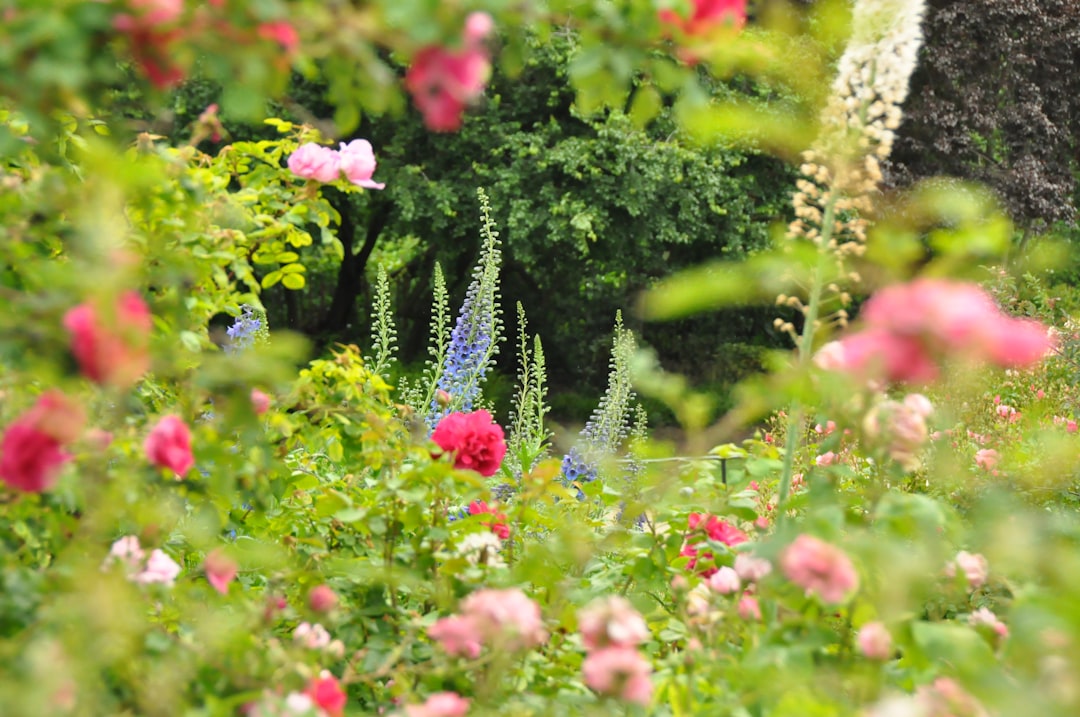
The Secret to a Thriving Yard: Fertilizer Mastery
The Secret to a Thriving Yard: Fertilizer Mastery
Pre - Winter Yard Preparation: A Smart Move
Pre - Winter Yard Preparation: A Smart Move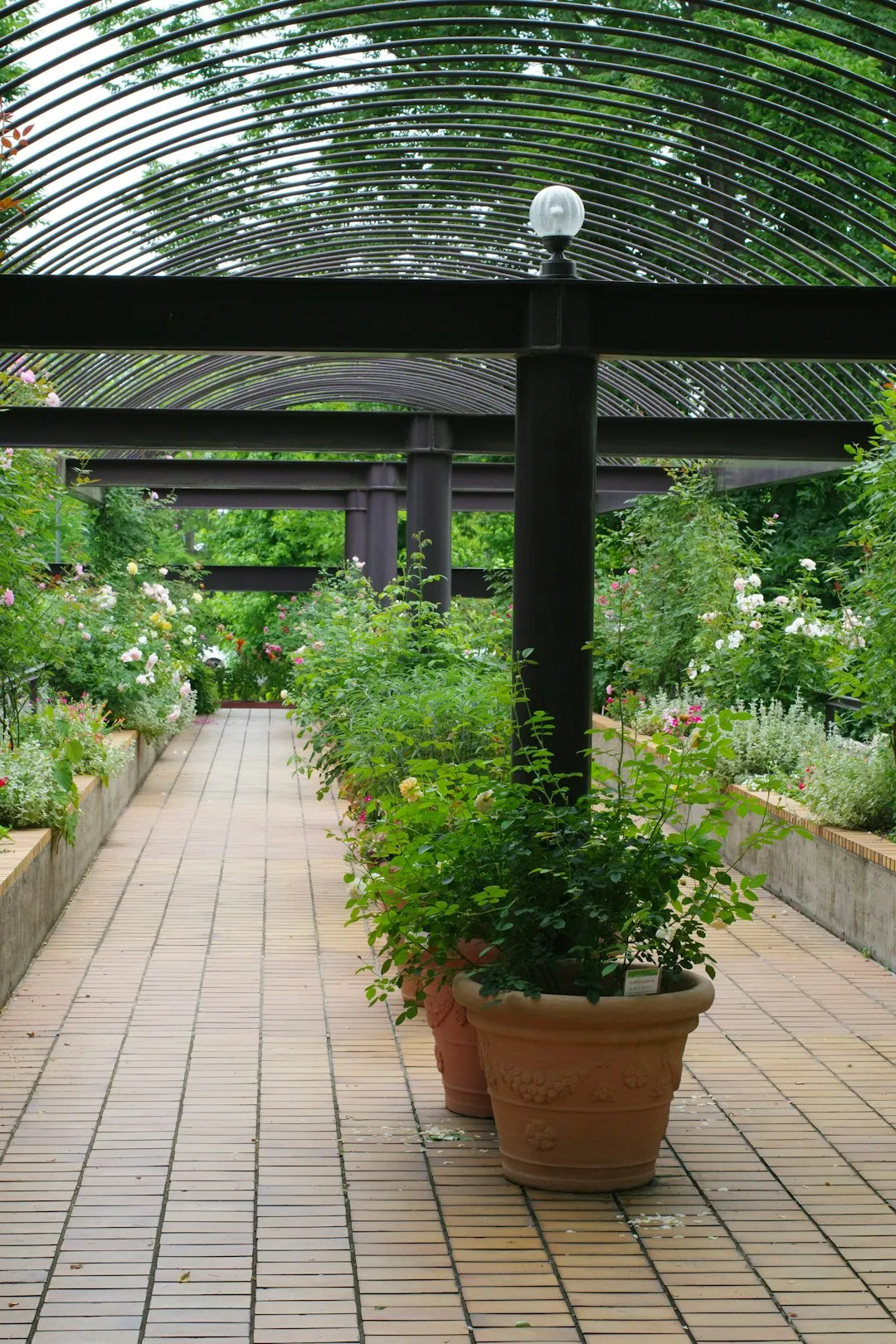
Gardening's Tiny Menace: Cucumber Beetles Unveiled
Gardening's Tiny Menace: Cucumber Beetles Unveiled
Reclaim Your Container Gardens from Ants
Reclaim Your Container Gardens from Ants
Nature's Defense: Keeping Fleas and Ticks at Bay with Garden Plants
Nature's Defense: Keeping Fleas and Ticks at Bay with Garden Plants
Battling the Tiny Invaders in Your Garden
Battling the Tiny Invaders in Your Garden
The Hidden Gems of Your Garden: Alpine Strawberries
The Hidden Gems of Your Garden: Alpine Strawberries
Unveiling the Secrets of Lavender Harvesting
Unveiling the Secrets of Lavender Harvesting
Unveiling the Secrets of Kale Harvesting
Unveiling the Secrets of Kale Harvesting
The Secret to Thriving Indoor Plants: Fertilization Guide
The Secret to Thriving Indoor Plants: Fertilization Guide
The Secret to Thriving Aloe Vera in Your Home
The Secret to Thriving Aloe Vera in Your Home
The Secret to Thriving Indoor Plants: Pot Selection
The Secret to Thriving Indoor Plants: Pot Selection
The Allure of Indoor Trees: Elevating Your Space
The Allure of Indoor Trees: Elevating Your Space
Reviving Your Peace Lily: Unveiling the Secrets Behind Brown-Tipped Leaves
Reviving Your Peace Lily: Unveiling the Secrets Behind Brown-Tipped Leaves
The Secret to Thriving Houseplant Multiplication
The Secret to Thriving Houseplant Multiplication
The Secret to a Thriving Indoor Plant Oasis
The Secret to a Thriving Indoor Plant Oasis


