
Indoor plants not only add a touch of nature to our living spaces but also contribute to a healthier and more aesthetically pleasing environment. However, to keep them looking their best and ensure their long - term health, proper fertilization is crucial. In this guide, we'll explore when and how to fertilize indoor plants, as well as the best types of fertilizers to use.
### When to Fertilize Indoor Plants
Understanding the right time to fertilize your indoor plants is essential. Most indoor plants have a growth cycle, and fertilizing during the active growth phase is ideal. For many common houseplants, this typically occurs in the spring and summer months. During these seasons, plants are actively producing new leaves, stems, and roots, and they require additional nutrients to support this growth.
As a general rule, start fertilizing your plants in early spring when you notice new growth emerging. You can continue to fertilize every two to four weeks throughout the spring and summer. In the fall and winter, most indoor plants enter a dormant phase. During this time, their growth slows down, and they don't need as many nutrients. It's best to reduce or stop fertilizing altogether during the dormant period to avoid over - fertilization, which can damage the plants.
### How to Fertilize Indoor Plants
There are several methods for fertilizing indoor plants, and the choice depends on the type of fertilizer you're using.
Liquid Fertilizers: Liquid fertilizers are one of the most popular choices for indoor plants. They are easy to use and are quickly absorbed by the plants. To use a liquid fertilizer, simply dilute it according to the instructions on the package. Then, water your plant with the fertilizer solution instead of plain water. Make sure to water the soil thoroughly to ensure that the fertilizer reaches the roots.
Slow - Release Fertilizers: Slow - release fertilizers come in the form of pellets or spikes. These fertilizers gradually release nutrients over time, providing a steady supply of food for your plants. To use slow - release fertilizers, simply insert the spikes into the soil near the base of the plant or sprinkle the pellets on the soil surface and gently work them into the top layer of soil. This method is convenient as it doesn't require frequent applications.
Organic Fertilizers: Organic fertilizers, such as compost or worm castings, are a natural and environmentally friendly option. You can mix a small amount of compost into the potting soil when repotting your plant or use worm castings as a top - dressing. Organic fertilizers not only provide nutrients but also improve the soil structure and promote beneficial microbial activity.
### Best Types of Fertilizers for Indoor Plants
Balanced Fertilizers: A balanced fertilizer has equal proportions of nitrogen (N), phosphorus (P), and potassium (K), such as a 10 - 10 - 10 or 20 - 20 - 20 formula. Nitrogen is important for leaf growth, phosphorus for root development and flower production, and potassium for overall plant health and disease resistance. Balanced fertilizers are suitable for most indoor plants and can be used during the active growth phase.
Specialty Fertilizers: Some indoor plants have specific nutrient requirements. For example, flowering plants may benefit from a fertilizer with a higher phosphorus content to encourage more blooms. Cacti and succulents, on the other hand, need a fertilizer with a lower nitrogen content to prevent excessive growth. There are also fertilizers formulated specifically for foliage plants, which focus on promoting lush, green leaves.
Micro - Nutrient Fertilizers: In addition to the major nutrients (N, P, K), plants also require small amounts of micro - nutrients such as iron, magnesium, and zinc. These micro - nutrients are essential for various plant functions, including photosynthesis and enzyme activation. Some fertilizers are fortified with micro - nutrients to ensure that your plants receive a complete range of nutrients.
In conclusion, caring for indoor plants involves more than just watering. By understanding when and how to fertilize your plants and choosing the right type of fertilizer, you can help your indoor plants thrive and enjoy their beauty for years to come.
The Enchanting Allure of the Hawthorn Tree
The Enchanting Allure of the Hawthorn Tree
The Magic of Low - Maintenance Shade Trees in Your Landscape
The Magic of Low - Maintenance Shade Trees in Your Landscape
Blue Hydrangeas: A Splash of Color in Your Garden
Blue Hydrangeas: A Splash of Color in Your Garden
Unveiling the Mysteries of Lawn Mushroom Circles and Prevention Tips
Unveiling the Mysteries of Lawn Mushroom Circles and Prevention Tips
The Secret to a Thriving Yard: Fertilizer Mastery
The Secret to a Thriving Yard: Fertilizer Mastery
Pre - Winter Yard Preparation: A Smart Move
Pre - Winter Yard Preparation: A Smart Move
Gardening's Tiny Menace: Cucumber Beetles Unveiled
Gardening's Tiny Menace: Cucumber Beetles Unveiled
Reclaim Your Container Gardens from Ants
Reclaim Your Container Gardens from Ants
Nature's Defense: Keeping Fleas and Ticks at Bay with Garden Plants
Nature's Defense: Keeping Fleas and Ticks at Bay with Garden Plants
Battling the Tiny Invaders in Your Garden
Battling the Tiny Invaders in Your Garden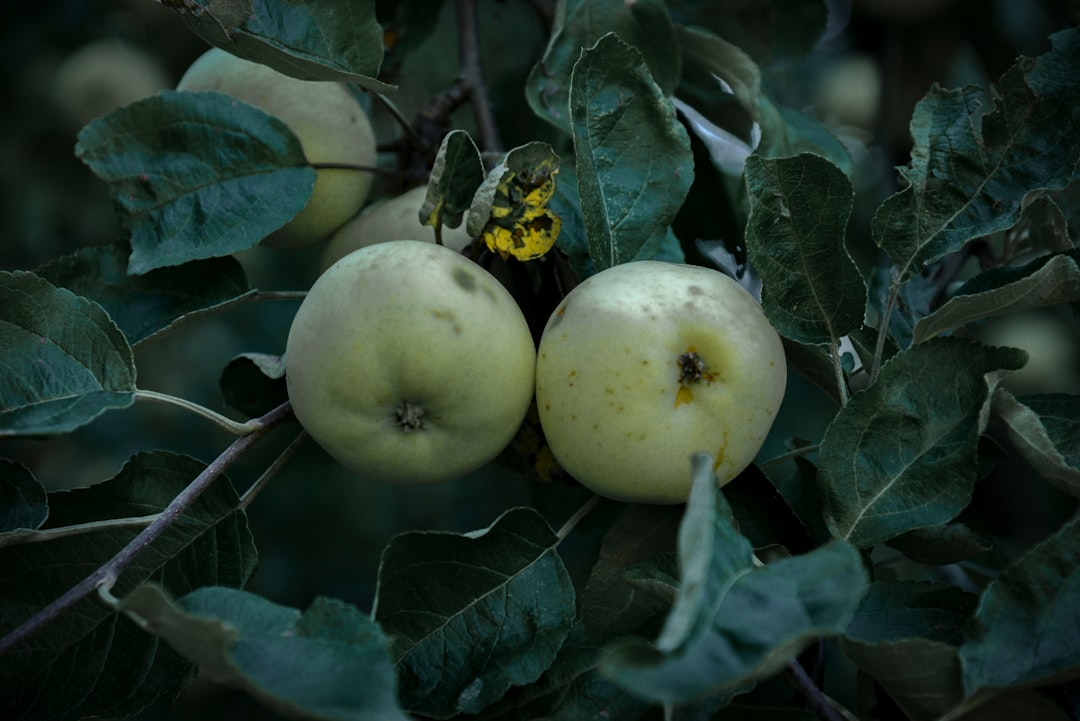
The Hidden Gems of Your Garden: Alpine Strawberries
The Hidden Gems of Your Garden: Alpine Strawberries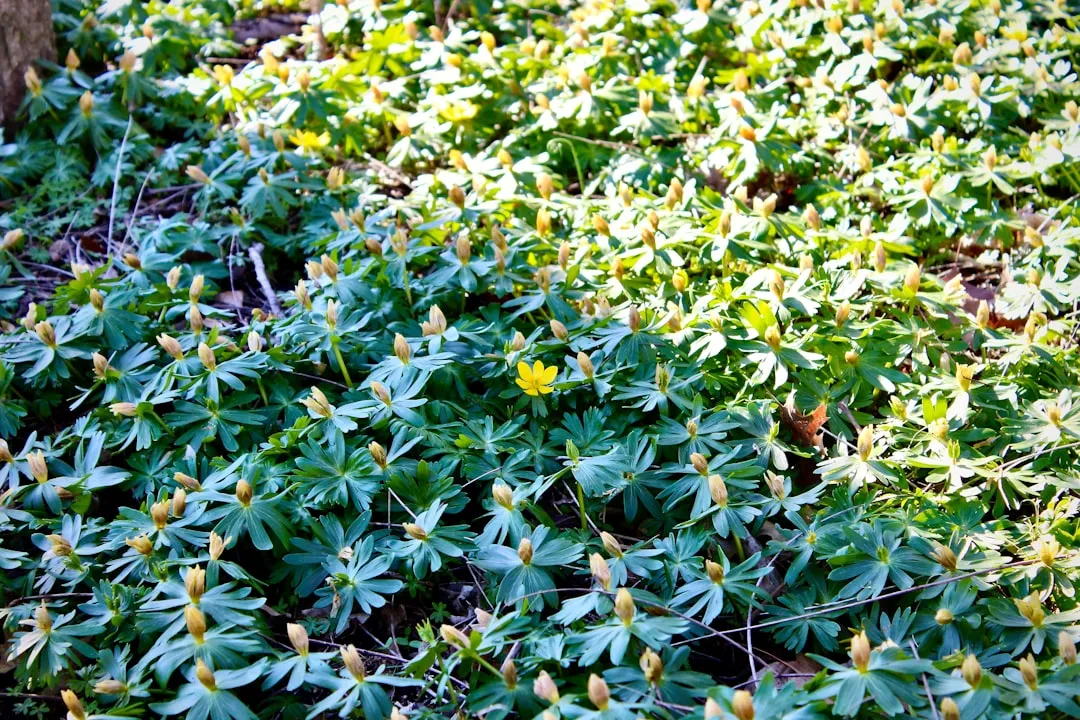
Unveiling the Secrets of Lavender Harvesting
Unveiling the Secrets of Lavender Harvesting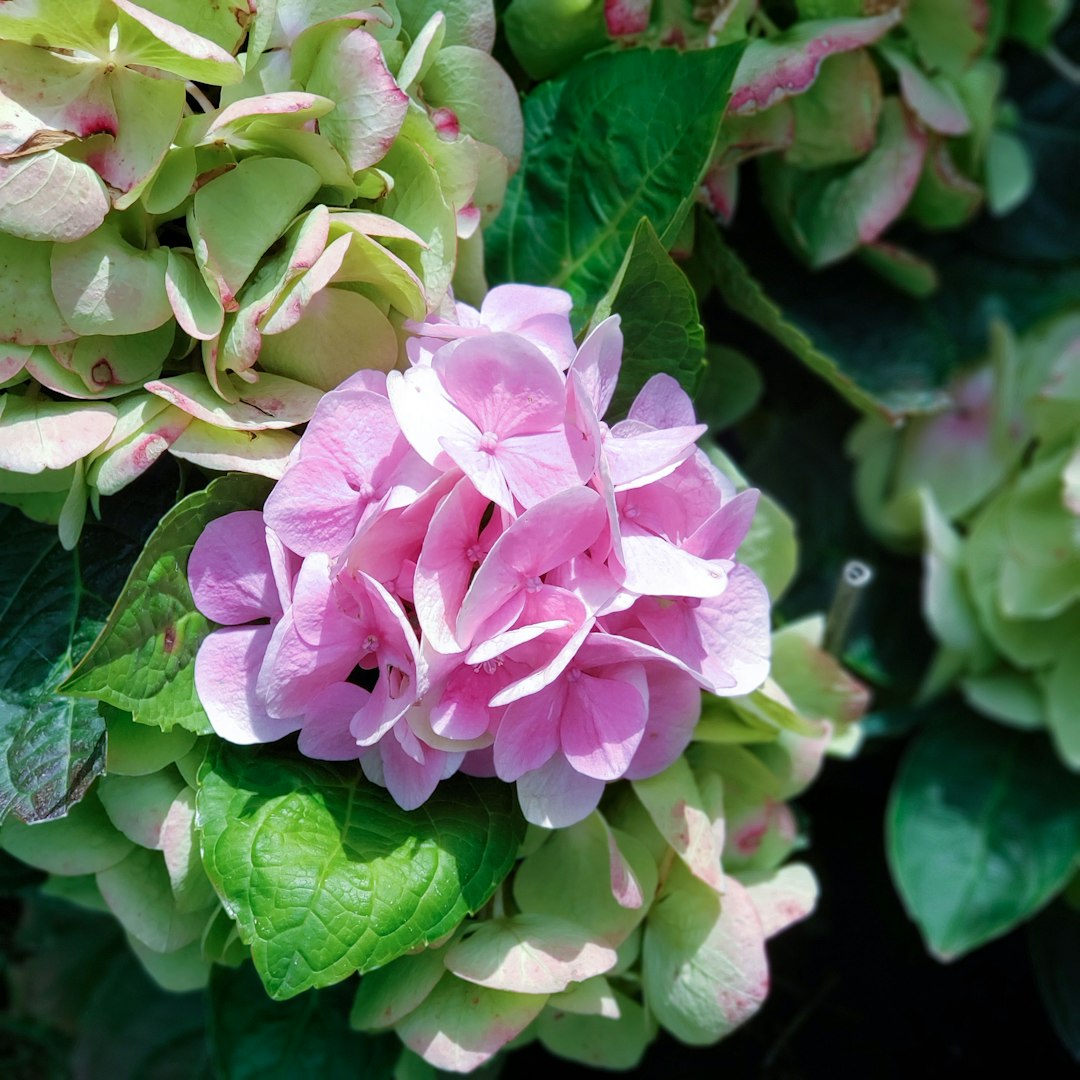
Unveiling the Secrets of Kale Harvesting
Unveiling the Secrets of Kale Harvesting
The Secret to Thriving Indoor Plants: Fertilization Guide
The Secret to Thriving Indoor Plants: Fertilization Guide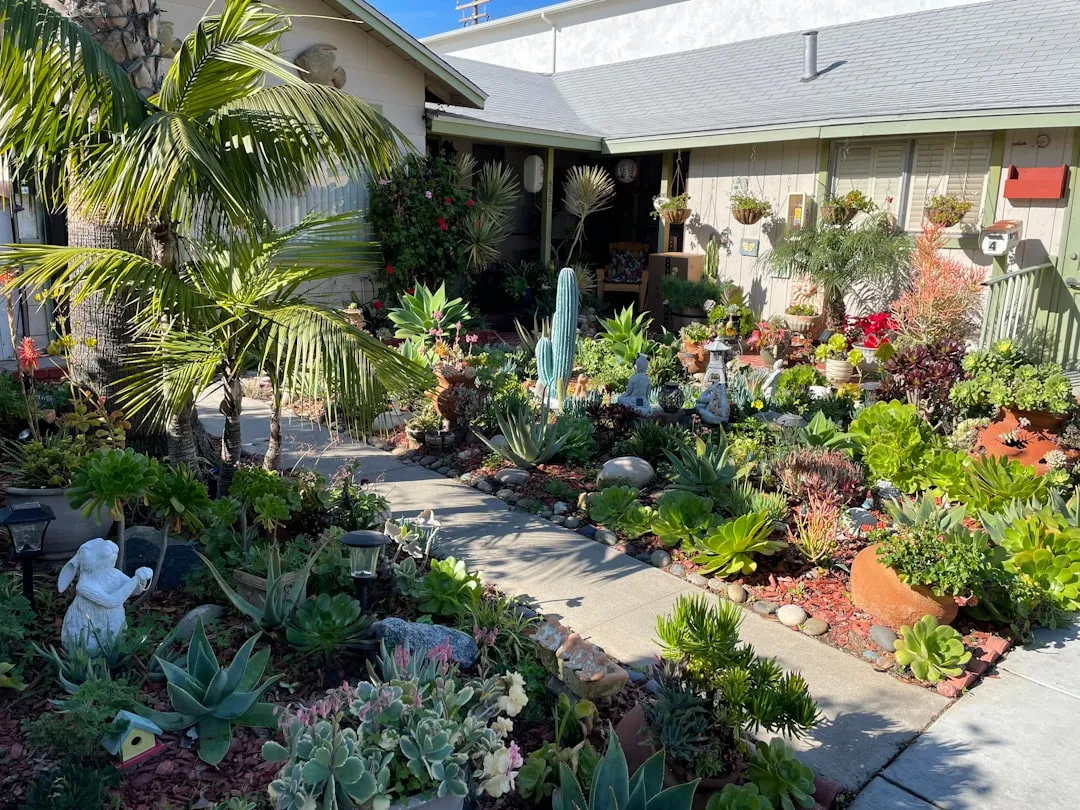
The Secret to Thriving Aloe Vera in Your Home
The Secret to Thriving Aloe Vera in Your Home
The Secret to Thriving Indoor Plants: Pot Selection
The Secret to Thriving Indoor Plants: Pot Selection
The Allure of Indoor Trees: Elevating Your Space
The Allure of Indoor Trees: Elevating Your Space
Reviving Your Peace Lily: Unveiling the Secrets Behind Brown-Tipped Leaves
Reviving Your Peace Lily: Unveiling the Secrets Behind Brown-Tipped Leaves
The Secret to Thriving Houseplant Multiplication
The Secret to Thriving Houseplant Multiplication
The Secret to a Thriving Indoor Plant Oasis
The Secret to a Thriving Indoor Plant Oasis


