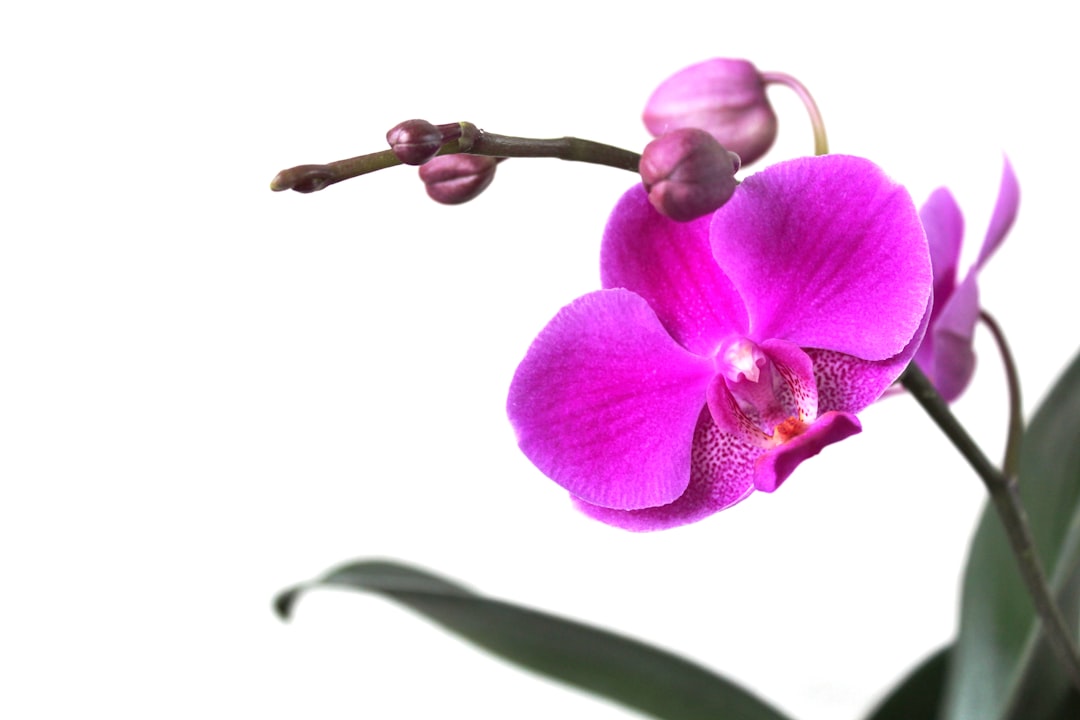
Houseplants not only add a touch of nature to our indoor spaces but also bring numerous benefits such as improving air quality and reducing stress. One of the exciting aspects of being a houseplant enthusiast is the ability to propagate new plants from existing ones. Depending on the type of plant, there are several techniques that can be employed to make many new ones. Let's explore these methods and get you started on your plant - propagation journey.
### Stem Cuttings
Stem cuttings are one of the most common and straightforward ways to propagate houseplants. Many popular houseplants like pothos, philodendron, and spider plants can be easily propagated using this method. To take a stem cutting, start by selecting a healthy stem from the parent plant. The stem should be at least 3 - 6 inches long and have a few leaves. Use a sharp, clean pair of scissors or pruning shears to make a clean cut just below a node (the point where a leaf attaches to the stem). Remove the lower leaves, leaving only a few at the top. You can then place the cutting in a glass of water or directly into a pot filled with moist potting soil. If you choose the water method, change the water every few days to keep it fresh. Roots will typically start to form within a few weeks, and once they are well - developed, you can transplant the cutting into a permanent pot.
### Leaf Cuttings
Leaf cuttings are another effective propagation technique, especially for plants like African violets and succulents. For African violets, gently remove a healthy leaf from the parent plant, making sure to include a short piece of the petiole (the stalk that attaches the leaf to the stem). Insert the petiole into a pot filled with a well - draining potting mix, such as a mixture of peat moss and perlite. Keep the soil moist and place the pot in a warm, bright location, but out of direct sunlight. New plantlets will eventually emerge from the base of the leaf. Succulents, on the other hand, can often be propagated by simply laying a leaf on top of dry soil. Over time, the leaf will develop roots and new growth at the base.
### Division
Division is a great method for plants that grow in clumps or have multiple stems emerging from the base, such as peace lilies and snake plants. To divide a plant, carefully remove it from its pot and gently separate the root ball into smaller sections. Each section should have its own set of roots and stems. You may need to use a sharp knife to cut through any tough roots. Once divided, plant each section in its own pot filled with fresh potting soil. Water the newly potted plants thoroughly and place them in a suitable location. Division is best done during the plant's active growing season to ensure a successful recovery.
### Air Layering
Air layering is a more advanced propagation technique but is very effective for plants that are difficult to root from cuttings, such as some types of ficus. To air layer a plant, select a healthy branch and make a small cut about one - third of the way through the branch. Apply a rooting hormone to the cut area and wrap it with moist sphagnum moss. Then, cover the moss with plastic wrap and secure it at both ends with twist ties. Keep the moss moist by misting it regularly. After a few weeks to a few months, roots will form within the moss. Once the roots are well - developed, cut the branch below the rooted area and plant it in a pot.
### Tips for Successful Propagation
Regardless of the propagation method you choose, there are some general tips to keep in mind. First, always use clean tools to prevent the spread of diseases. Make sure to provide the right environment for the cuttings or divisions, including proper light, temperature, and humidity. Most houseplant cuttings prefer bright, indirect light and a warm, humid environment. You can create a more humid environment by covering the cuttings with a plastic bag or placing them in a propagation tray with a humidity dome. Also, be patient. Propagation takes time, and it may take several weeks or even months for new plants to establish themselves.
By mastering these propagation techniques, you can expand your houseplant collection without having to spend a lot of money. Not only is it a cost - effective way to grow your plant family, but it also gives you the satisfaction of watching new plants grow from your own efforts. So, roll up your sleeves and start propagating those houseplants today!

The Enchanting Allure of the Hawthorn Tree
The Enchanting Allure of the Hawthorn Tree
The Magic of Low - Maintenance Shade Trees in Your Landscape
The Magic of Low - Maintenance Shade Trees in Your Landscape
Blue Hydrangeas: A Splash of Color in Your Garden
Blue Hydrangeas: A Splash of Color in Your Garden
Unveiling the Mysteries of Lawn Mushroom Circles and Prevention Tips
Unveiling the Mysteries of Lawn Mushroom Circles and Prevention Tips
The Secret to a Thriving Yard: Fertilizer Mastery
The Secret to a Thriving Yard: Fertilizer Mastery
Pre - Winter Yard Preparation: A Smart Move
Pre - Winter Yard Preparation: A Smart Move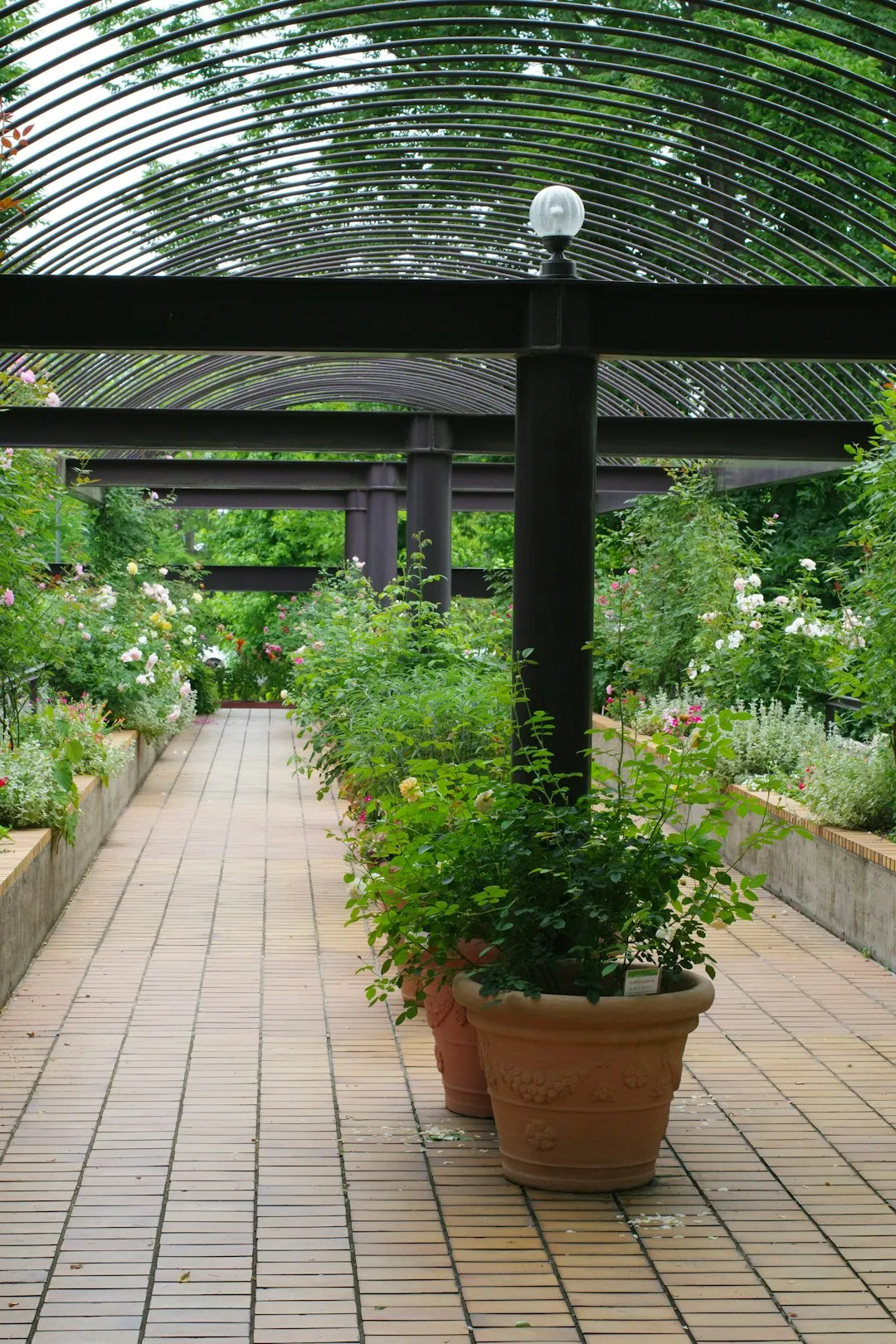
Gardening's Tiny Menace: Cucumber Beetles Unveiled
Gardening's Tiny Menace: Cucumber Beetles Unveiled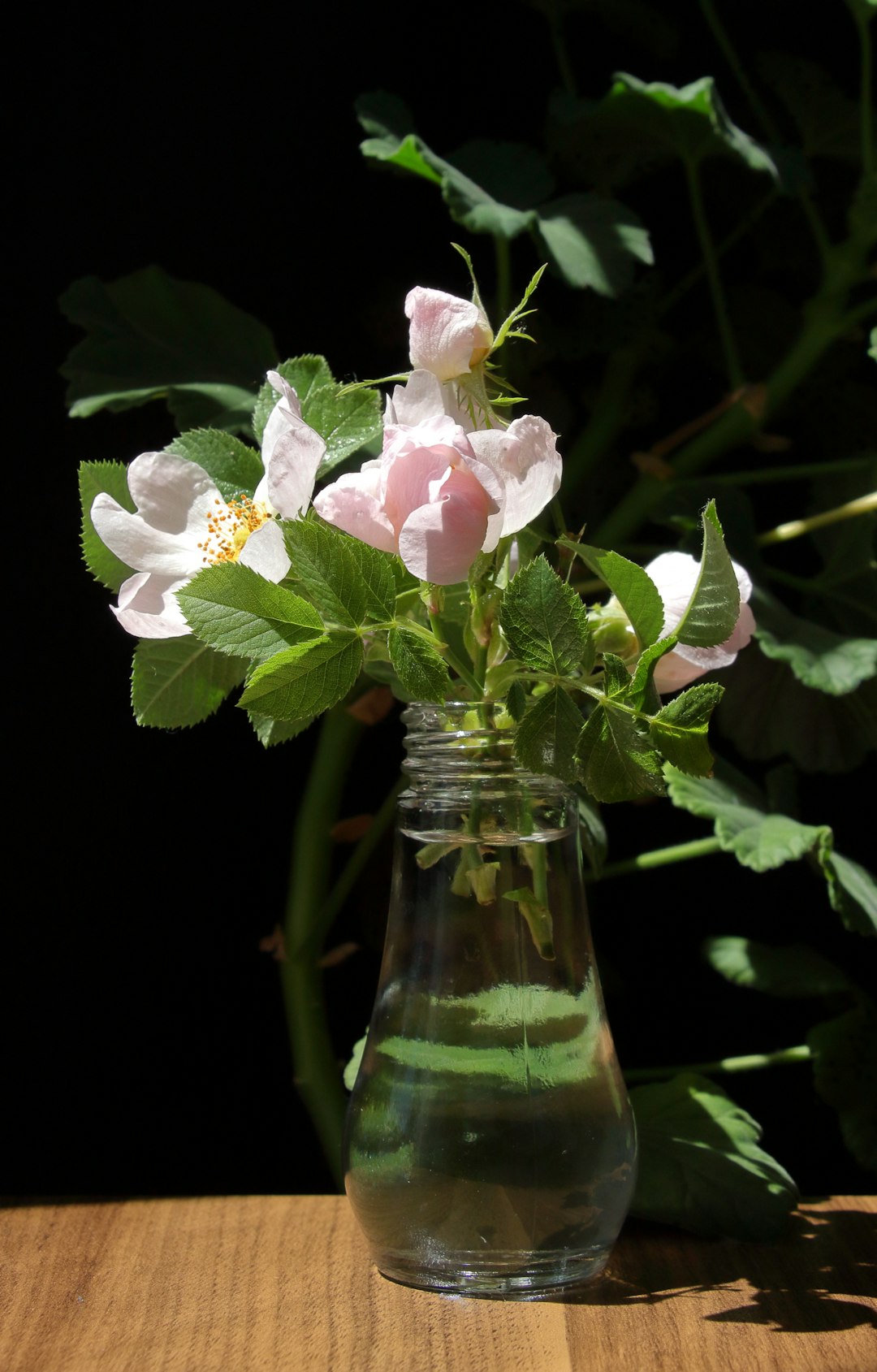
Reclaim Your Container Gardens from Ants
Reclaim Your Container Gardens from Ants
Nature's Defense: Keeping Fleas and Ticks at Bay with Garden Plants
Nature's Defense: Keeping Fleas and Ticks at Bay with Garden Plants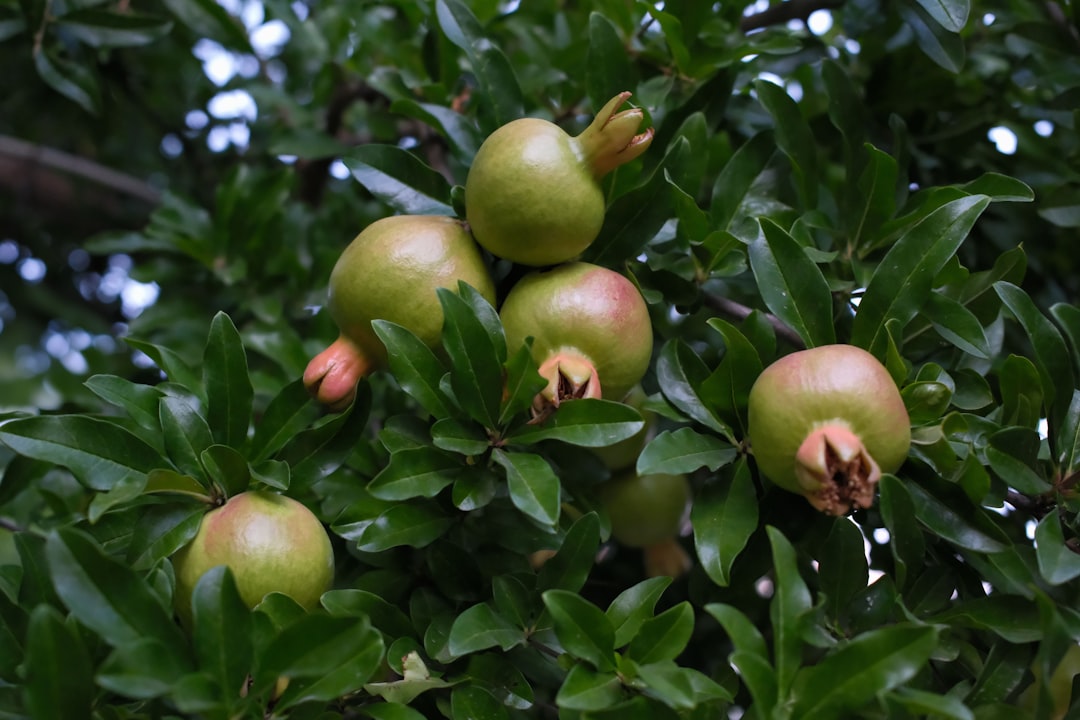
Battling the Tiny Invaders in Your Garden
Battling the Tiny Invaders in Your Garden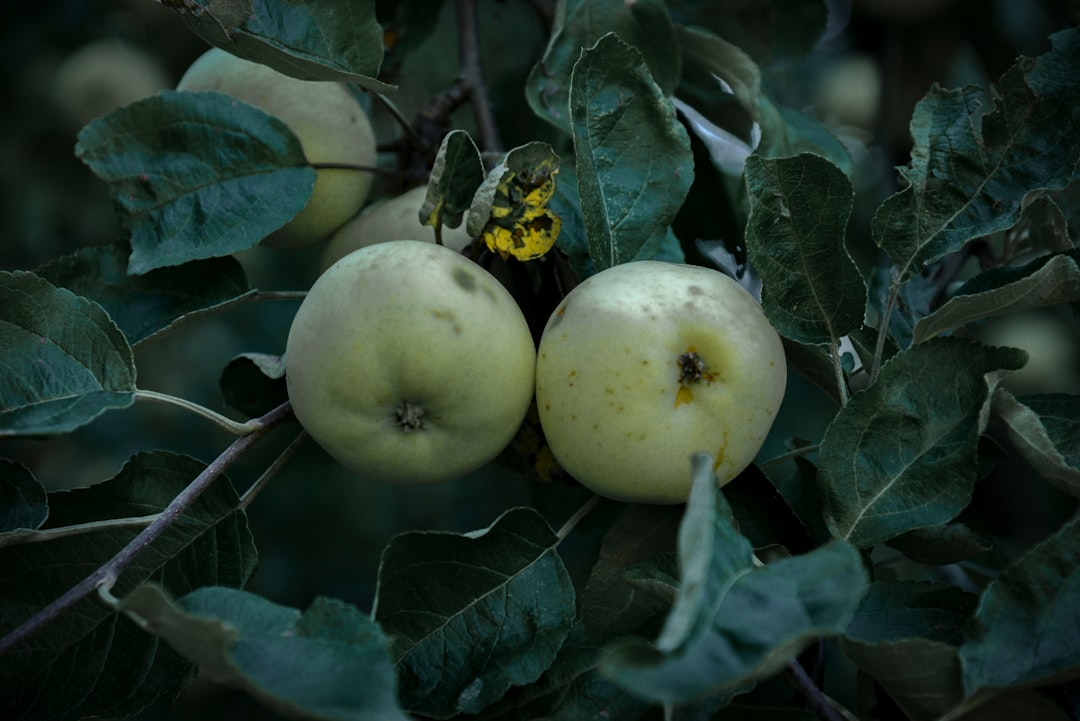
The Hidden Gems of Your Garden: Alpine Strawberries
The Hidden Gems of Your Garden: Alpine Strawberries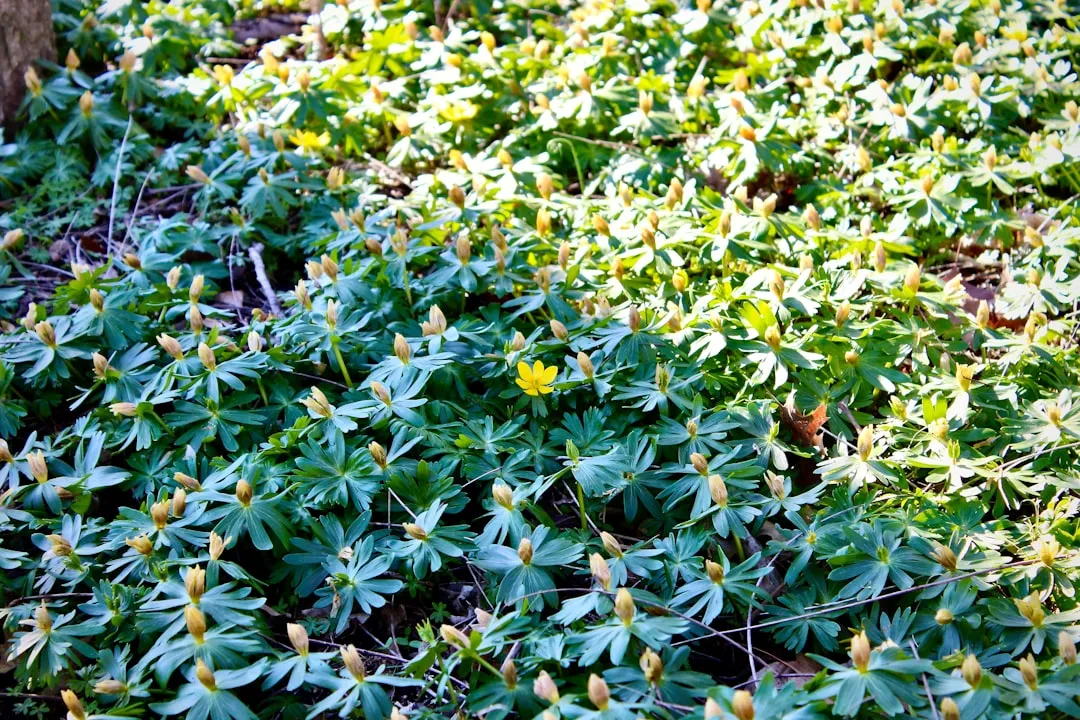
Unveiling the Secrets of Lavender Harvesting
Unveiling the Secrets of Lavender Harvesting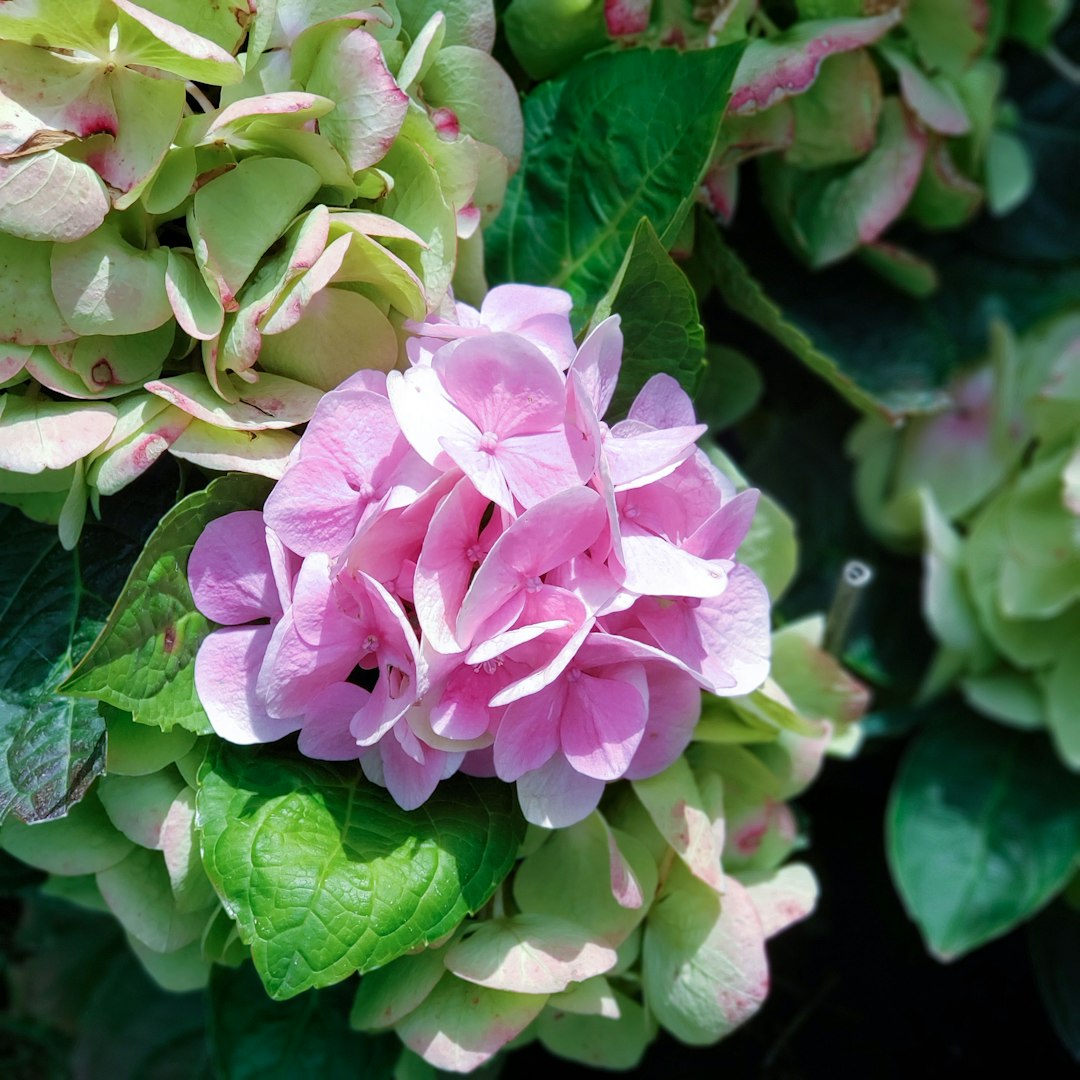
Unveiling the Secrets of Kale Harvesting
Unveiling the Secrets of Kale Harvesting
The Secret to Thriving Indoor Plants: Fertilization Guide
The Secret to Thriving Indoor Plants: Fertilization Guide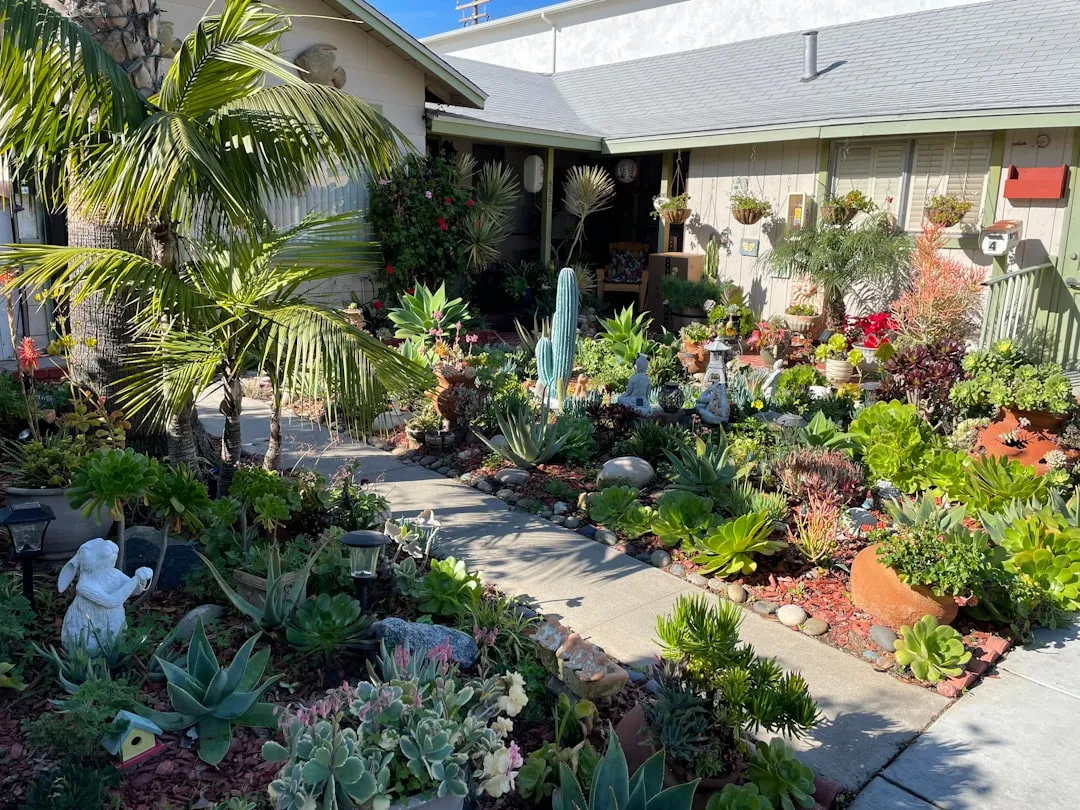
The Secret to Thriving Aloe Vera in Your Home
The Secret to Thriving Aloe Vera in Your Home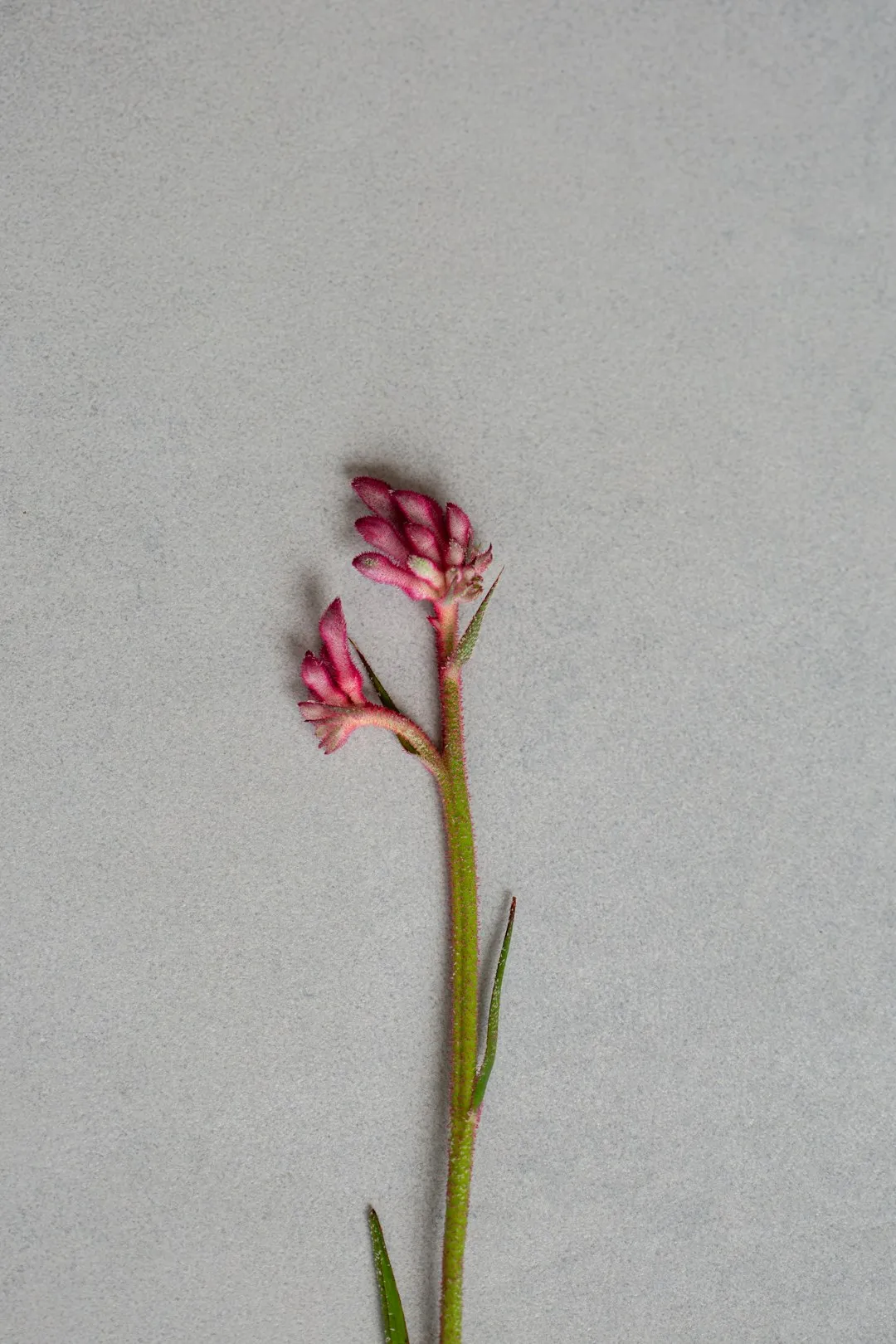
The Secret to Thriving Indoor Plants: Pot Selection
The Secret to Thriving Indoor Plants: Pot Selection
The Allure of Indoor Trees: Elevating Your Space
The Allure of Indoor Trees: Elevating Your Space
Reviving Your Peace Lily: Unveiling the Secrets Behind Brown-Tipped Leaves
Reviving Your Peace Lily: Unveiling the Secrets Behind Brown-Tipped Leaves
The Secret to Thriving Houseplant Multiplication
The Secret to Thriving Houseplant Multiplication
The Secret to a Thriving Indoor Plant Oasis
The Secret to a Thriving Indoor Plant Oasis


