Houseplants not only add a touch of nature to our living spaces but also contribute to a healthier and more vibrant environment. Among the popular houseplants, the peace lily stands out with its elegant white blooms and lush green foliage. However, it can be disheartening to notice that the leaves of your peace lily have brown tips. In this article, we will explore the nine common causes of brown - tipped leaves in peace lilies and provide simple solutions to restore your plant's health.
One of the most common reasons for brown - tipped leaves in peace lilies is improper watering. Over - watering can lead to root rot, which prevents the plant from absorbing nutrients properly. On the other hand, under - watering can cause the plant to become dehydrated.
Signs: If you've been over - watering, the soil may be constantly wet, and the plant may look wilted despite the moist soil. Under - watering will make the leaves dry and crispy at the edges.
Solutions: Check the soil moisture regularly. Stick your finger about an inch into the soil. If it feels dry, it's time to water. Ensure that the pot has proper drainage holes to prevent waterlogging. Water the plant thoroughly until water drains out of the bottom, then let the excess water drain away completely.
The quality of the water you use can also affect your peace lily. Tap water often contains chemicals such as chlorine and fluoride, which can build up in the soil over time and cause brown tips on the leaves.
Signs: You may notice a white crust on the soil surface or the edges of the pot, indicating the presence of these chemicals.
Solutions: Use filtered or distilled water for your peace lily. If you use tap water, let it sit in an open container for 24 hours to allow the chlorine to evaporate before using it to water the plant.
Peace lilies are native to tropical regions and thrive in high - humidity environments. In dry indoor conditions, the leaves can develop brown tips as they lose moisture faster than they can absorb it.
Signs: The air in your home may feel dry, and the plant's leaves may look dull and have brown edges.
Solutions: Increase the humidity around the plant. You can use a humidifier, place a tray of water near the plant, or group it with other plants. Misting the leaves regularly can also help, but make sure not to over - mist as it can lead to fungal diseases.
Too much fertilizer can burn the roots of the peace lily and cause brown tips on the leaves. Peace lilies don't require a large amount of fertilizer, and over - feeding can do more harm than good.
Signs: The leaves may turn yellow or brown, and there may be a white or brown crust on the soil surface.
Solutions: Follow the instructions on the fertilizer package carefully. During the growing season (spring and summer), fertilize the plant once a month with a balanced, water - soluble fertilizer diluted to half strength. In the fall and winter, reduce fertilization to once every two to three months or stop it altogether.
Peace lilies prefer bright, indirect light. Too much direct sunlight can scorch the leaves, causing brown tips, while too little light can make the plant weak and more susceptible to problems.
Signs: If the plant is in direct sunlight, the leaves may have brown patches or burn marks. If it's in low light, the plant may grow slowly and have pale leaves.
Solutions: Place the peace lily in a location where it can receive bright, indirect light. A north - facing window or a spot a few feet away from an east - or west - facing window is usually ideal. If the light is too bright, you can use a sheer curtain to filter the sunlight.
Peace lilies are sensitive to temperature changes. Extreme cold or hot temperatures can cause stress to the plant and lead to brown - tipped leaves.
Signs: If the plant is exposed to cold drafts, the leaves may turn brown and droop. In hot and dry conditions, the leaves may curl and have brown edges.
Solutions: Keep the peace lily in a room with a temperature between 65°F and 80°F (18°C - 27°C). Avoid placing it near air conditioning vents, heaters, or drafty windows.
Pests such as spider mites, aphids, and mealybugs can infest peace lilies and cause damage to the leaves, including brown tips. Fungal and bacterial diseases can also affect the plant's health.
Signs: You may notice small insects on the leaves, webbing, or spots on the leaves.
Solutions: Inspect the plant regularly for pests. If you find any, remove them by wiping the leaves with a damp cloth or using an insecticidal soap. For fungal or bacterial diseases, remove the affected leaves and ensure good air circulation around the plant. You may also need to use a fungicide or bactericide as recommended.
If the peace lily has been in the same pot for too long, its roots may become overcrowded and bound together. This can prevent the plant from absorbing water and nutrients properly, leading to brown - tipped leaves.
Signs: You may see roots growing out of the drainage holes or the plant may stop growing.
Solutions: Repot the peace lily into a larger pot with fresh potting soil. Gently loosen the roots before placing the plant in the new pot.
As peace lilies age, the older leaves will naturally start to turn brown and die off. This is a normal part of the plant's life cycle.
Signs: The oldest leaves at the base of the plant will show signs of browning and yellowing.
Solutions: Simply remove the brown leaves at the base of the plant using clean, sharp scissors. This will not only improve the plant's appearance but also allow it to focus its energy on new growth.
In conclusion, caring for your peace lily and preventing brown - tipped leaves requires attention to its watering, light, humidity, and other environmental needs. By identifying and addressing the common causes, you can keep your peace lily healthy and thriving for years to come.
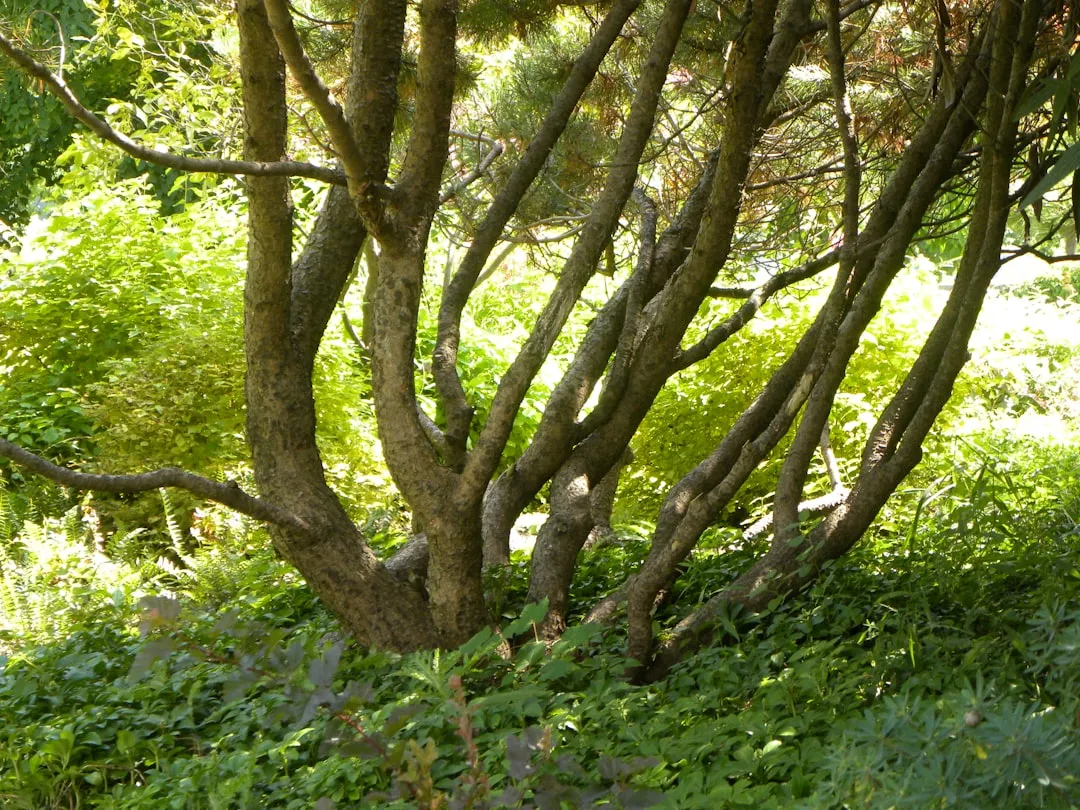
The Enchanting Allure of the Hawthorn Tree
The Enchanting Allure of the Hawthorn Tree
The Magic of Low - Maintenance Shade Trees in Your Landscape
The Magic of Low - Maintenance Shade Trees in Your Landscape
Blue Hydrangeas: A Splash of Color in Your Garden
Blue Hydrangeas: A Splash of Color in Your Garden
Unveiling the Mysteries of Lawn Mushroom Circles and Prevention Tips
Unveiling the Mysteries of Lawn Mushroom Circles and Prevention Tips
The Secret to a Thriving Yard: Fertilizer Mastery
The Secret to a Thriving Yard: Fertilizer Mastery
Pre - Winter Yard Preparation: A Smart Move
Pre - Winter Yard Preparation: A Smart Move
Gardening's Tiny Menace: Cucumber Beetles Unveiled
Gardening's Tiny Menace: Cucumber Beetles Unveiled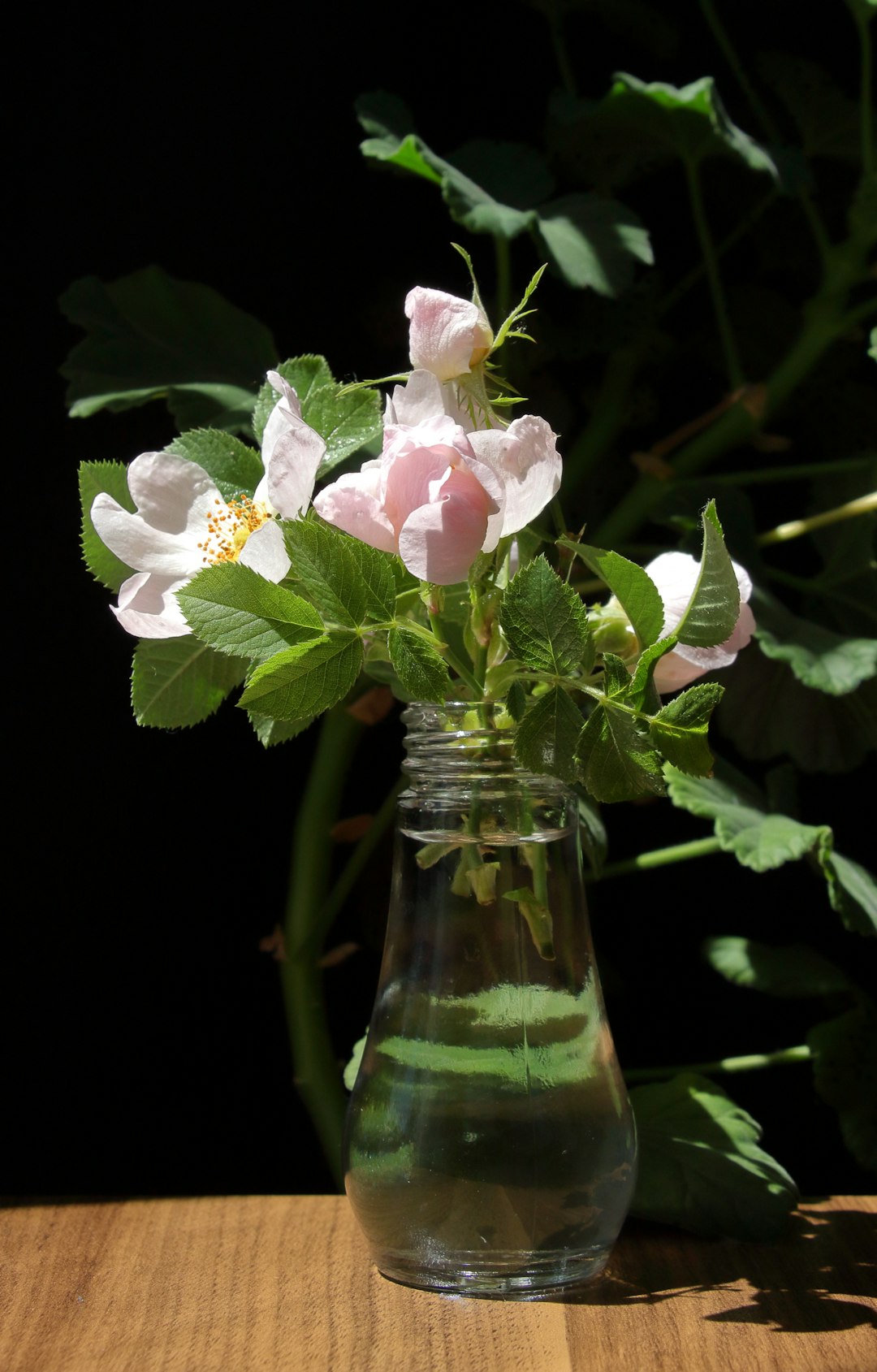
Reclaim Your Container Gardens from Ants
Reclaim Your Container Gardens from Ants
Nature's Defense: Keeping Fleas and Ticks at Bay with Garden Plants
Nature's Defense: Keeping Fleas and Ticks at Bay with Garden Plants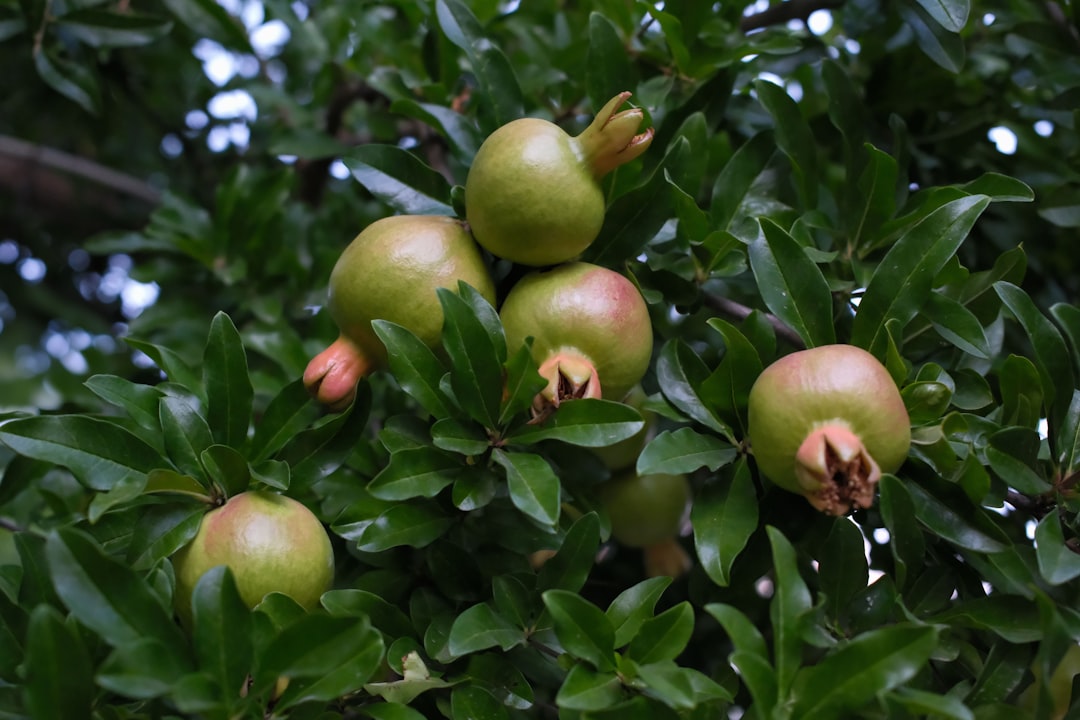
Battling the Tiny Invaders in Your Garden
Battling the Tiny Invaders in Your Garden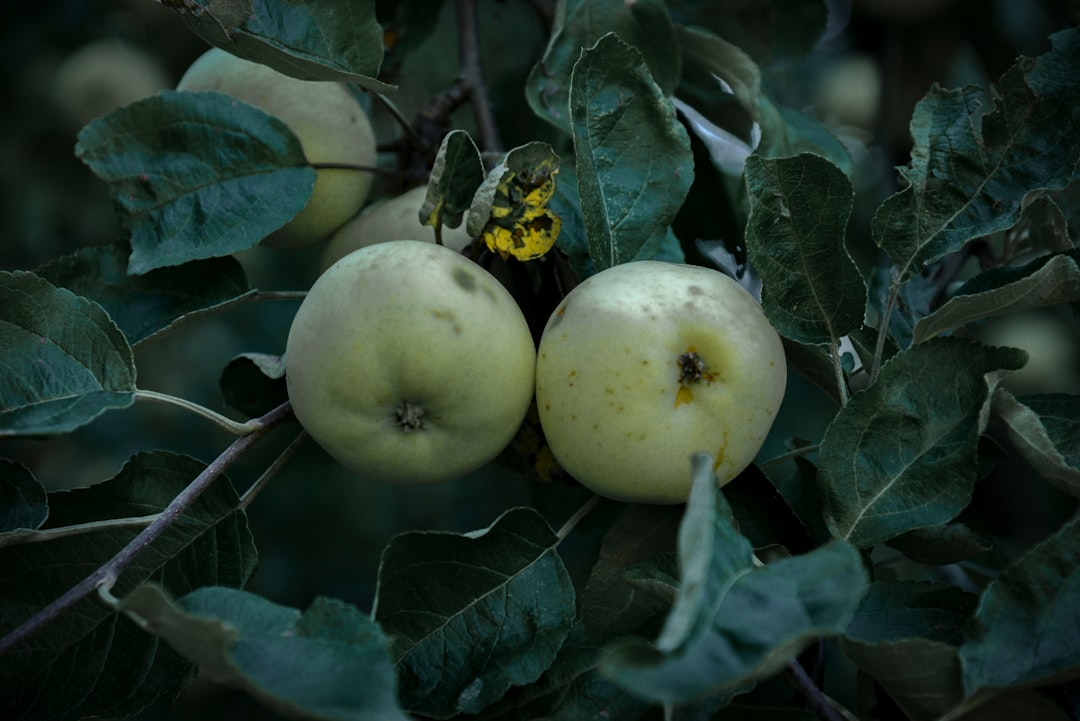
The Hidden Gems of Your Garden: Alpine Strawberries
The Hidden Gems of Your Garden: Alpine Strawberries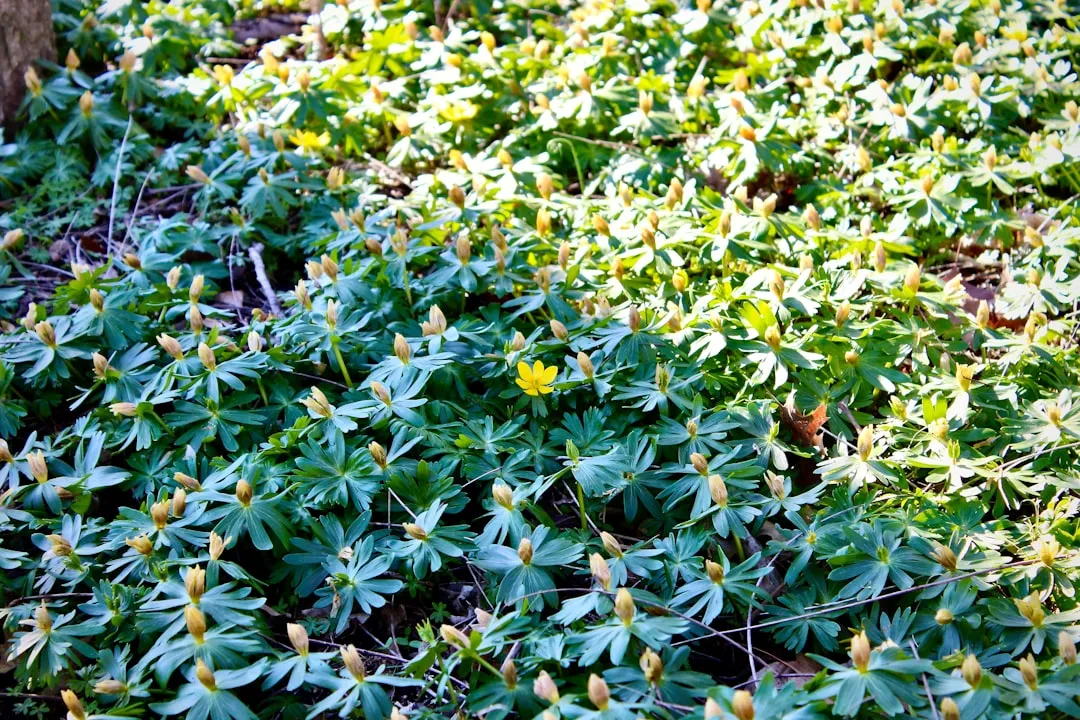
Unveiling the Secrets of Lavender Harvesting
Unveiling the Secrets of Lavender Harvesting
Unveiling the Secrets of Kale Harvesting
Unveiling the Secrets of Kale Harvesting
The Secret to Thriving Indoor Plants: Fertilization Guide
The Secret to Thriving Indoor Plants: Fertilization Guide
The Secret to Thriving Aloe Vera in Your Home
The Secret to Thriving Aloe Vera in Your Home
The Secret to Thriving Indoor Plants: Pot Selection
The Secret to Thriving Indoor Plants: Pot Selection
The Allure of Indoor Trees: Elevating Your Space
The Allure of Indoor Trees: Elevating Your Space
Reviving Your Peace Lily: Unveiling the Secrets Behind Brown-Tipped Leaves
Reviving Your Peace Lily: Unveiling the Secrets Behind Brown-Tipped Leaves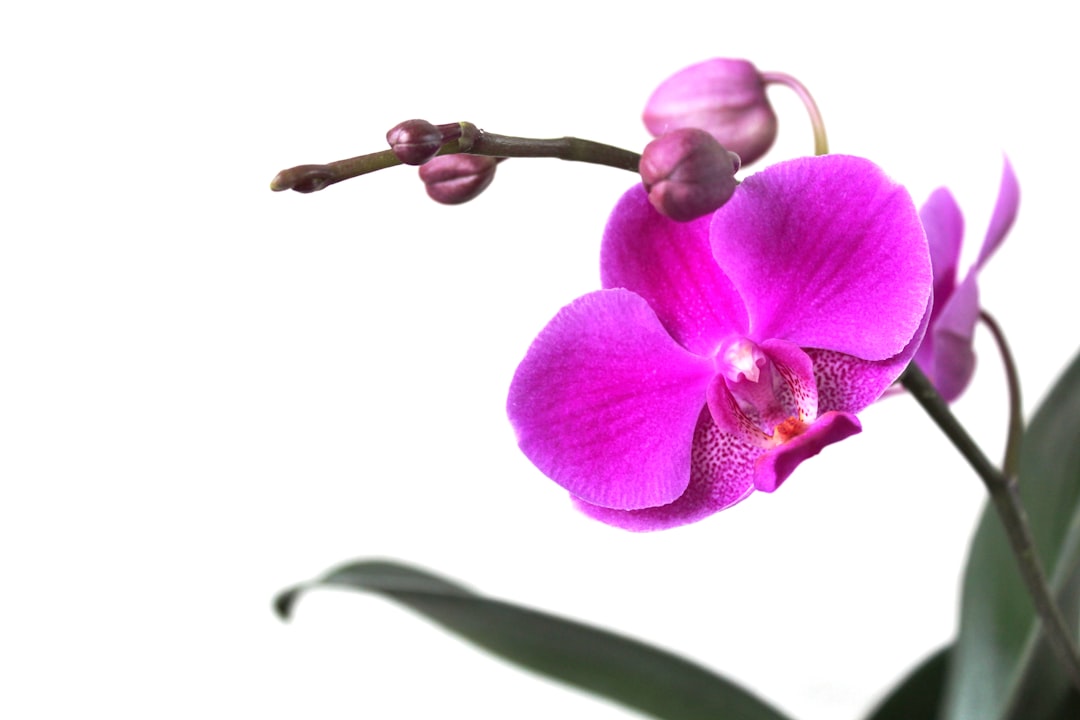
The Secret to Thriving Houseplant Multiplication
The Secret to Thriving Houseplant Multiplication
The Secret to a Thriving Indoor Plant Oasis
The Secret to a Thriving Indoor Plant Oasis


