Alpine strawberries, those tiny yet flavorful berries, are a delightful addition to any edible garden. In this article, we'll explore the various aspects of growing these wonderful fruits, from the ideal growing conditions to their ornamental uses in the landscape, and even how to harvest them and choose the best varieties.
Growing Conditions
Alpine strawberries thrive in partial shade to full sun. While they can tolerate some shade, a few hours of direct sunlight each day will ensure optimal growth and fruit production. The soil should be well - drained, rich in organic matter, and slightly acidic with a pH between 5.5 and 6.8. You can amend the soil with compost or well - rotted manure before planting to improve its fertility and structure.
These strawberries are relatively cold - hardy and can be grown in USDA hardiness zones 3 - 9. They are also more resistant to pests and diseases compared to some other strawberry varieties, making them a low - maintenance option for gardeners. When it comes to watering, alpine strawberries prefer consistent moisture but not waterlogged soil. A layer of mulch around the plants can help retain moisture and suppress weeds.
Ornamental Uses in the Landscape
Beyond their delicious taste, alpine strawberries have great ornamental value. They can be used as ground cover in flower beds, adding a carpet of green foliage with delicate white flowers and red berries. Their low - growing habit makes them perfect for the front of borders or in rock gardens. You can also plant them in containers, such as hanging baskets or window boxes, to create a beautiful and edible display on your balcony or patio.
Their small size and attractive appearance make them a charming addition to any landscape design. They can be combined with other low - growing perennials or annuals to create a visually appealing and functional garden space. For example, pairing them with pansies or violas can add a splash of color to the strawberry patch.
Harvesting
Alpine strawberries are ready for harvest when they are fully red and have a sweet aroma. Unlike some larger strawberry varieties, they don't all ripen at once, so you'll need to check the plants regularly. Gently pick the berries by grasping the stem just above the fruit and pulling it off. Be careful not to damage the plant or the unripe berries.
Harvesting should be done in the morning when the berries are at their freshest. You can enjoy them immediately, use them in desserts like strawberry shortcake or fruit salads, or preserve them by making jams or freezing them. Since they are smaller in size, you may need to harvest a larger quantity to get a substantial amount for cooking or preserving.
Best Varieties
There are several excellent varieties of alpine strawberries to choose from. 'Alexandria' is a popular choice known for its large, sweet berries and high yield. It produces fruit throughout the growing season and has a beautiful appearance. 'Mignonette' is another well - loved variety with a delicate flavor and a long - fruiting period. It is also very ornamental, with its small, white flowers and red berries.
'Rügen' is a variety that is particularly cold - hardy and has a unique flavor profile. It is a good option for gardeners in colder climates. 'Baron Solemacher' is a self - fertile variety that produces an abundance of sweet, aromatic berries. It is suitable for both container and ground planting.
In conclusion, alpine strawberries are a versatile and rewarding addition to any edible garden. Whether you're looking for a delicious fruit to enjoy or a beautiful plant to enhance your landscape, these strawberries are a great choice. By providing the right growing conditions, using them ornamentally, harvesting them properly, and choosing the best varieties, you can have a successful alpine strawberry garden for years to come.
The Enchanting Allure of the Hawthorn Tree
The Enchanting Allure of the Hawthorn Tree
The Magic of Low - Maintenance Shade Trees in Your Landscape
The Magic of Low - Maintenance Shade Trees in Your Landscape
Blue Hydrangeas: A Splash of Color in Your Garden
Blue Hydrangeas: A Splash of Color in Your Garden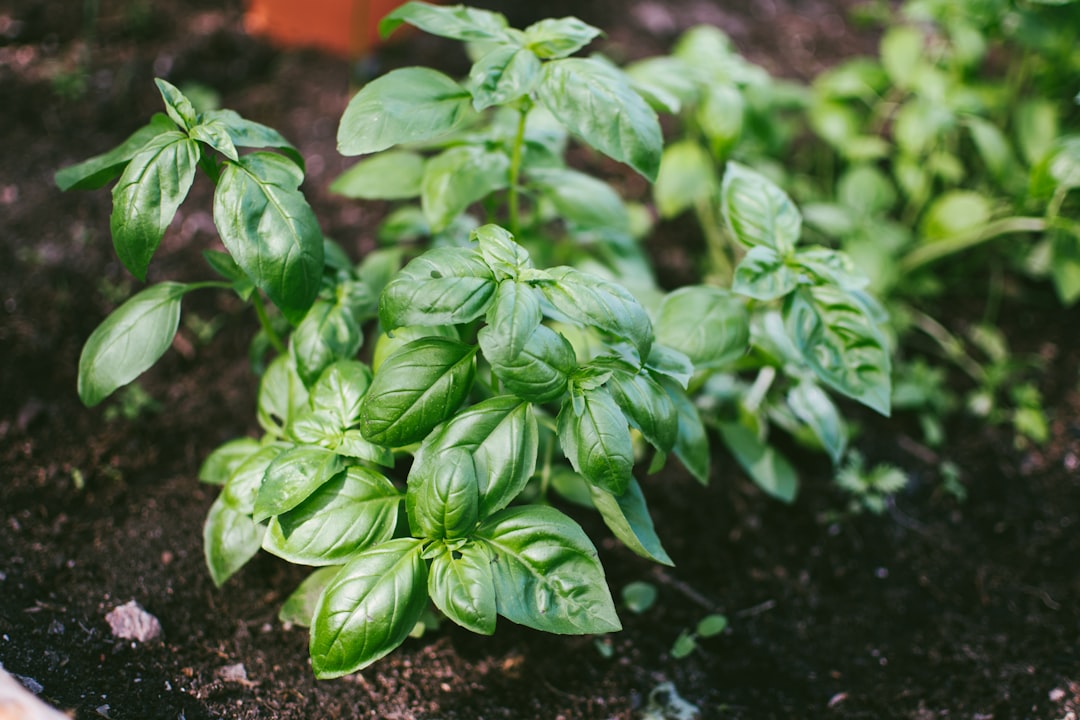
Unveiling the Mysteries of Lawn Mushroom Circles and Prevention Tips
Unveiling the Mysteries of Lawn Mushroom Circles and Prevention Tips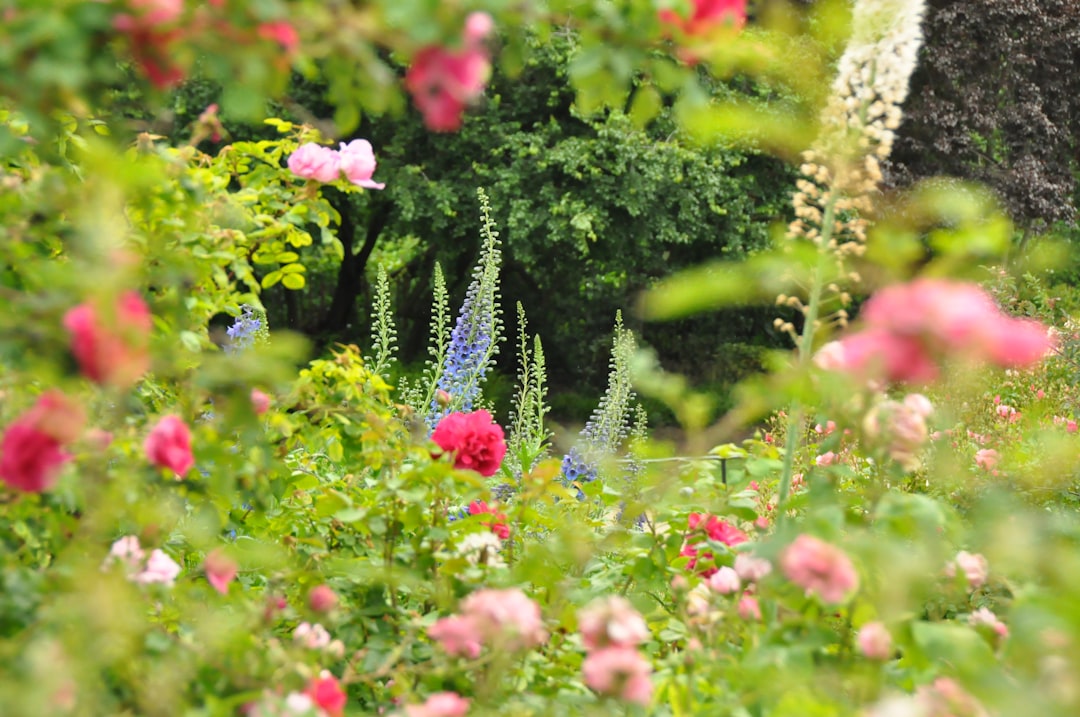
The Secret to a Thriving Yard: Fertilizer Mastery
The Secret to a Thriving Yard: Fertilizer Mastery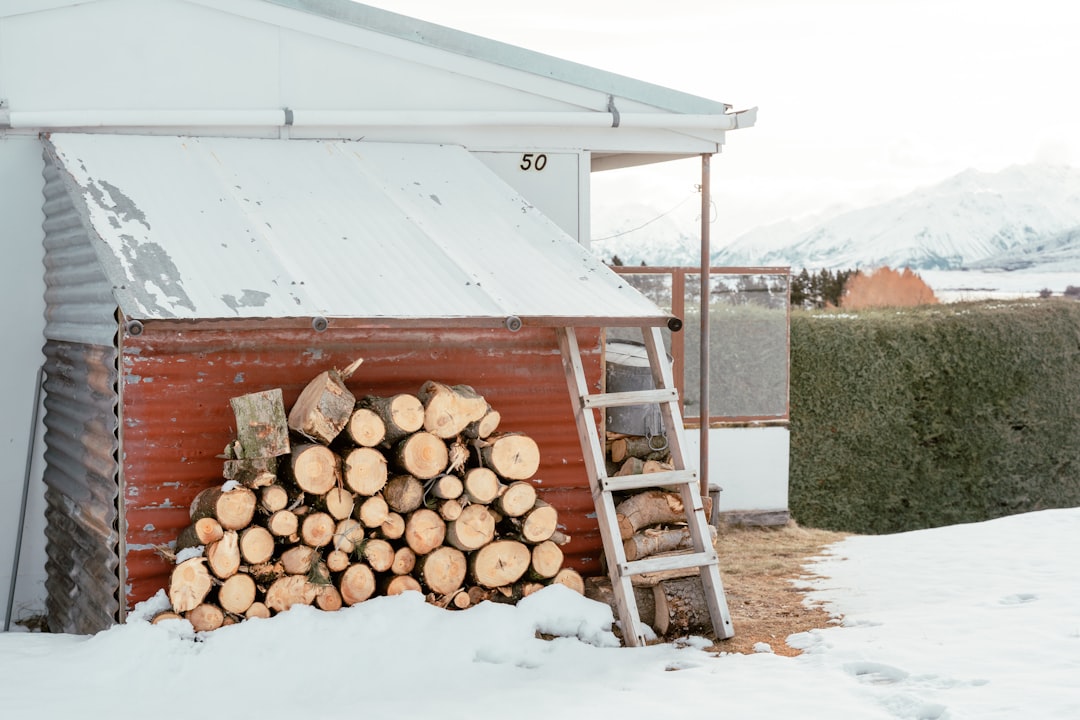
Pre - Winter Yard Preparation: A Smart Move
Pre - Winter Yard Preparation: A Smart Move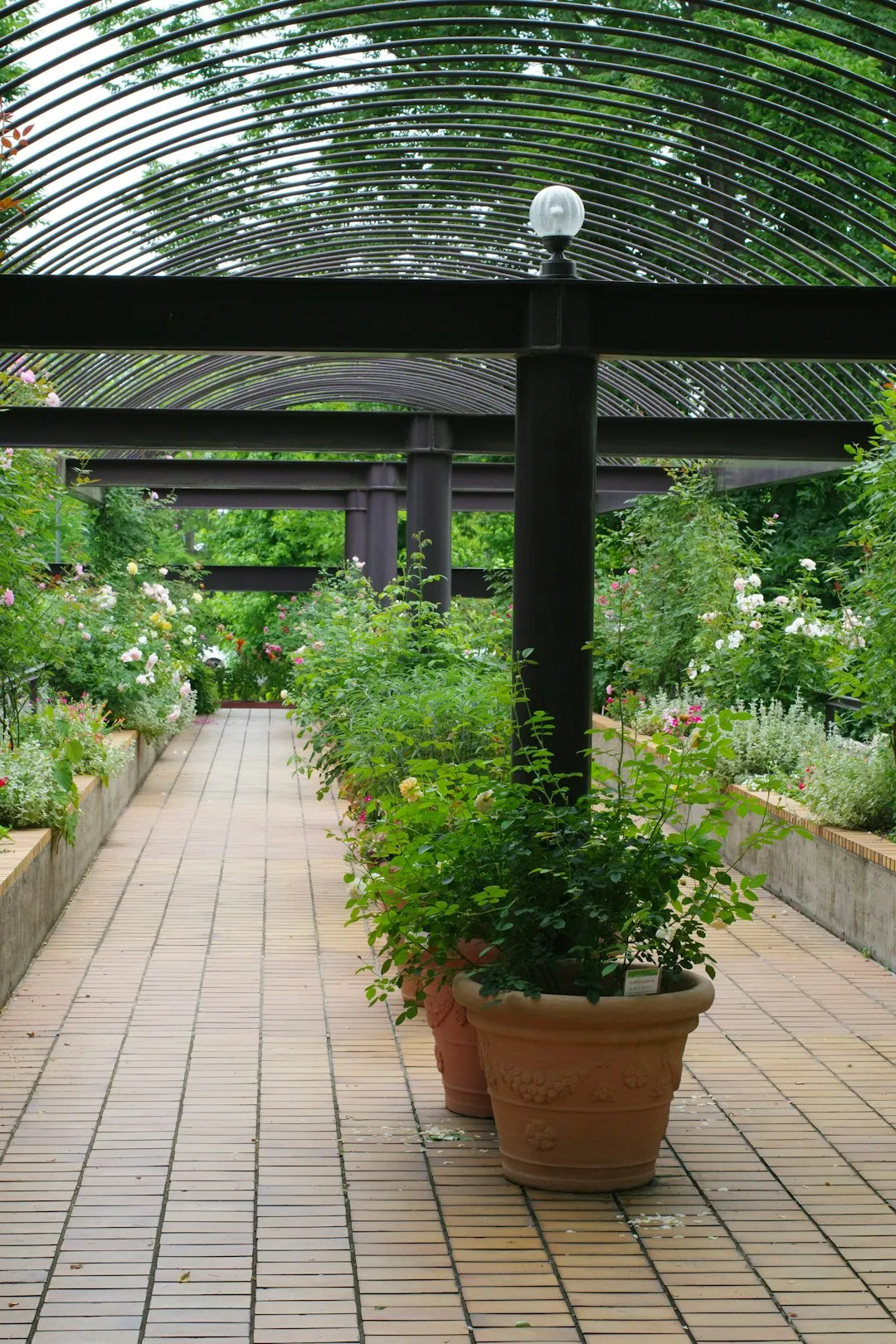
Gardening's Tiny Menace: Cucumber Beetles Unveiled
Gardening's Tiny Menace: Cucumber Beetles Unveiled
Reclaim Your Container Gardens from Ants
Reclaim Your Container Gardens from Ants
Nature's Defense: Keeping Fleas and Ticks at Bay with Garden Plants
Nature's Defense: Keeping Fleas and Ticks at Bay with Garden Plants
Battling the Tiny Invaders in Your Garden
Battling the Tiny Invaders in Your Garden
The Hidden Gems of Your Garden: Alpine Strawberries
The Hidden Gems of Your Garden: Alpine Strawberries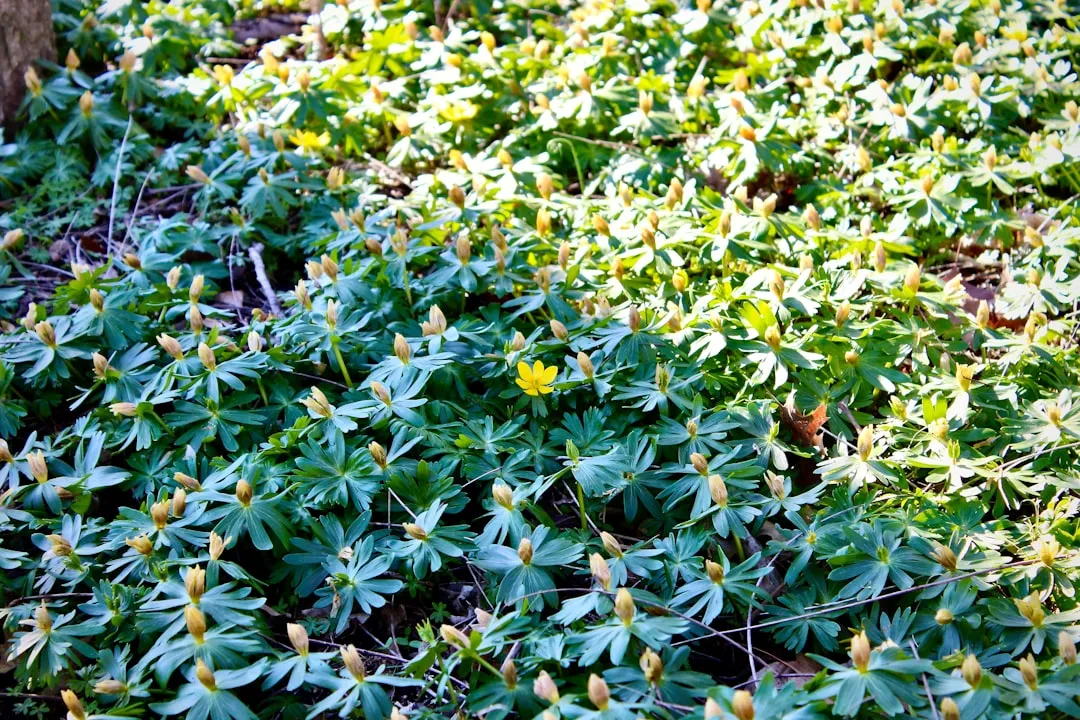
Unveiling the Secrets of Lavender Harvesting
Unveiling the Secrets of Lavender Harvesting
Unveiling the Secrets of Kale Harvesting
Unveiling the Secrets of Kale Harvesting
The Secret to Thriving Indoor Plants: Fertilization Guide
The Secret to Thriving Indoor Plants: Fertilization Guide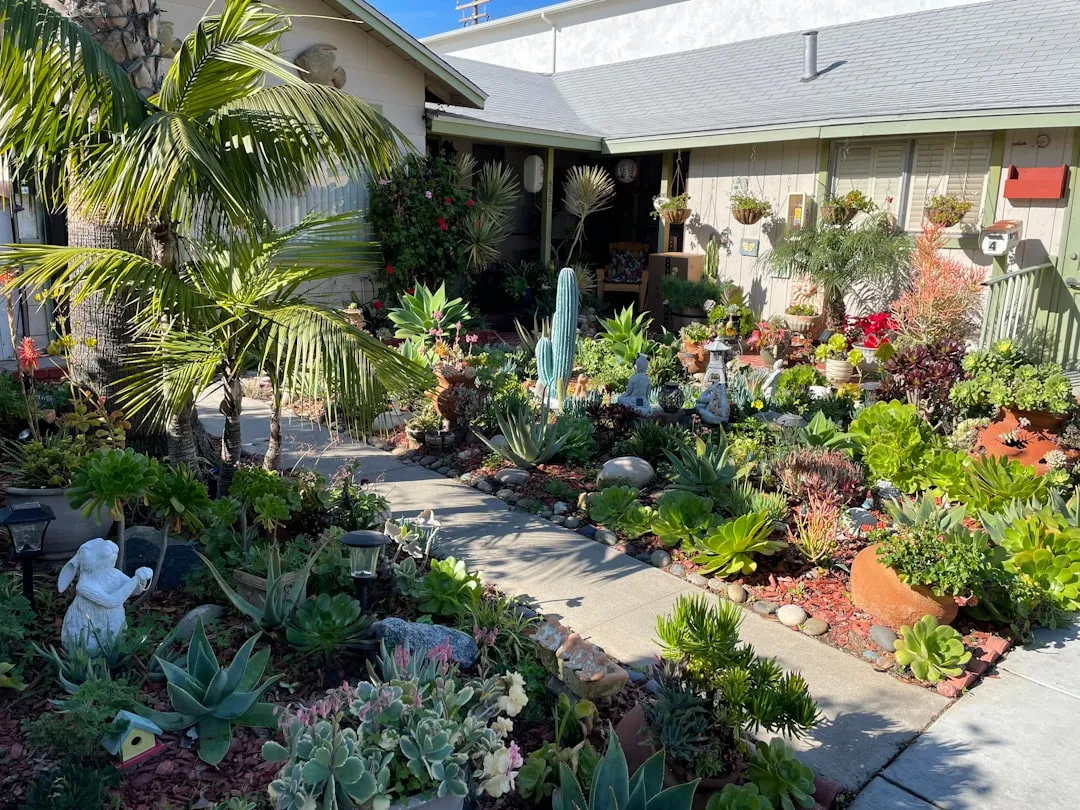
The Secret to Thriving Aloe Vera in Your Home
The Secret to Thriving Aloe Vera in Your Home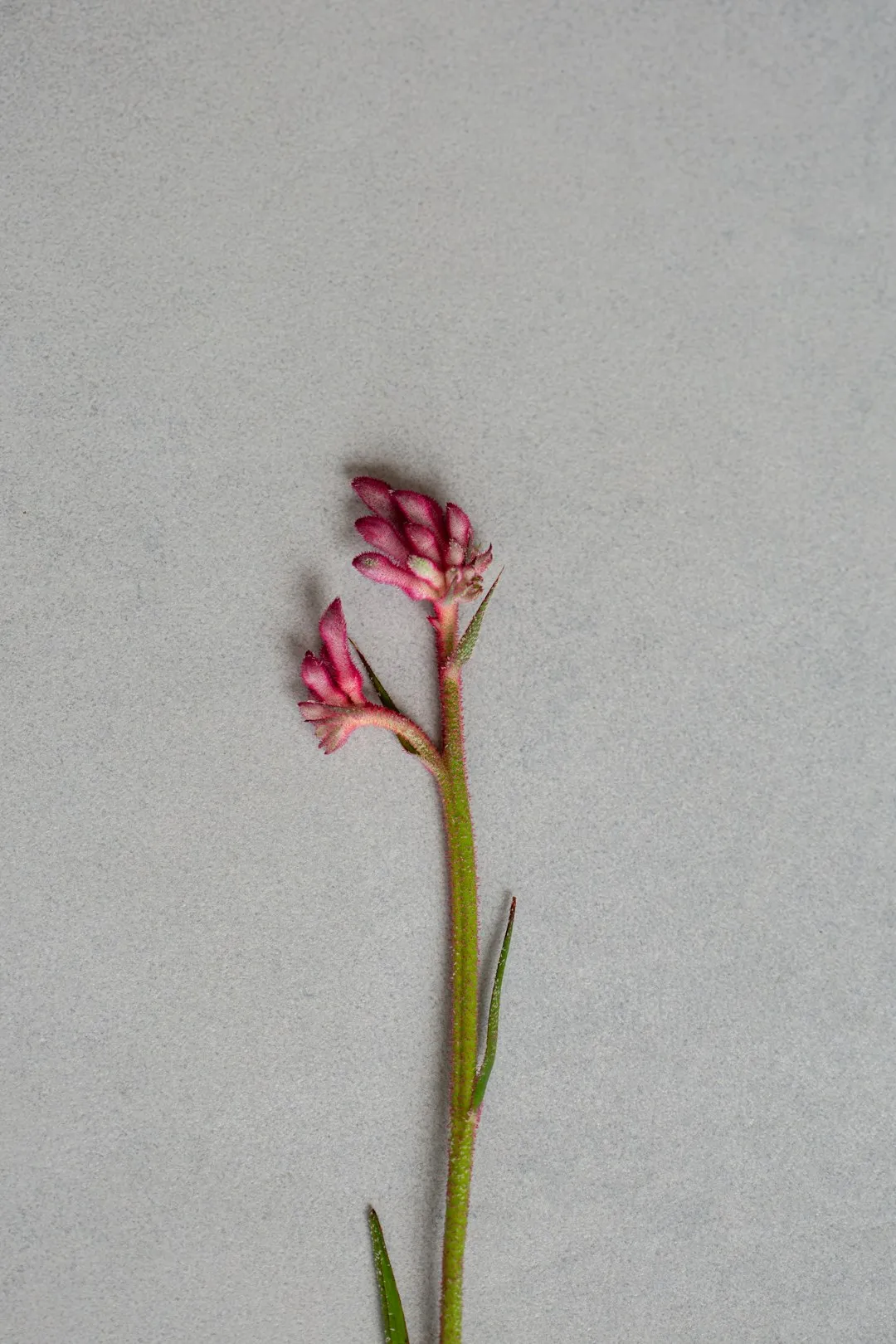
The Secret to Thriving Indoor Plants: Pot Selection
The Secret to Thriving Indoor Plants: Pot Selection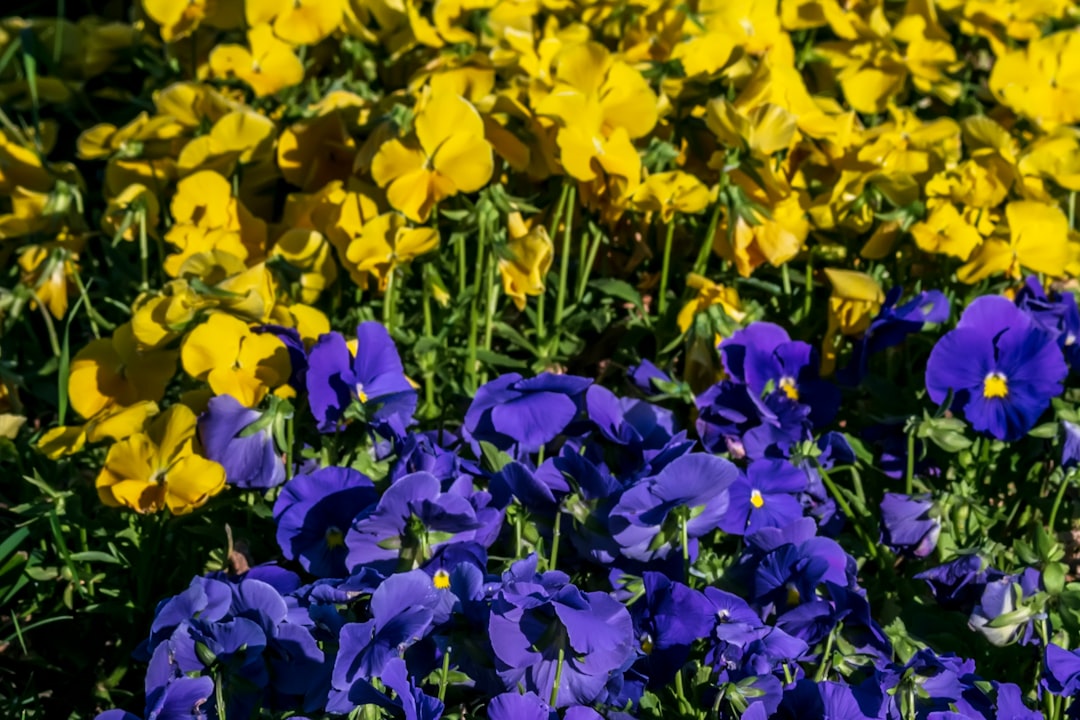
The Allure of Indoor Trees: Elevating Your Space
The Allure of Indoor Trees: Elevating Your Space
Reviving Your Peace Lily: Unveiling the Secrets Behind Brown-Tipped Leaves
Reviving Your Peace Lily: Unveiling the Secrets Behind Brown-Tipped Leaves
The Secret to Thriving Houseplant Multiplication
The Secret to Thriving Houseplant Multiplication
The Secret to a Thriving Indoor Plant Oasis
The Secret to a Thriving Indoor Plant Oasis


