
When it comes to creating a beautiful and functional yard, garden edging and flagstone edging play a crucial role. Not only do they define the boundaries of your garden beds, but they also add a touch of elegance and organization to your outdoor space. In this article, we'll explore the different types of edging available and provide you with tried - and - true tips for installing them to create a stunning garden path.
First, let's take a look at the various types of garden edging. One of the most popular options is plastic edging. It is affordable, easy to install, and comes in a variety of colors and styles. Plastic edging is flexible, which makes it ideal for creating curved garden beds. You can find it in long rolls, and it can be easily cut to the desired length. It also provides a good barrier against grass and weeds encroaching into your garden beds.
Another common type is metal edging. Metal edging, such as aluminum or steel, is durable and long - lasting. It gives a more modern and sleek look to your garden. Metal edging is available in different heights and thicknesses. It can be a bit more challenging to install compared to plastic edging, especially if you need to bend it for curved areas. However, with the right tools, it can be done effectively. It is also resistant to rust and corrosion, making it a great choice for outdoor use.
Stone edging, including flagstone edging, is a classic and natural option. Flagstones come in various shapes, sizes, and colors, allowing you to create a unique and personalized garden path. Stone edging provides a rustic and charming look to your yard. It is heavy and stable, which helps to keep the garden beds in place. However, installing stone edging requires more effort and skill. You need to prepare a proper base and ensure that the stones are level and firmly placed.
Now, let's move on to the installation process. Before you start, you need to plan your garden path. Decide on the shape, size, and location of the path. Mark the area using stakes and string. This will give you a clear outline of where the edging will go. Make sure to measure the length and width accurately to determine how much edging material you'll need.
For plastic edging installation, start by digging a shallow trench along the marked area. The trench should be deep enough to accommodate the edging, usually about 2 - 3 inches. Place the plastic edging in the trench and secure it with stakes at regular intervals. You can use a mallet to gently tap the stakes into the ground. Make sure the edging is straight and level. If you need to create a curve, bend the plastic edging slowly and carefully to fit the shape.
When installing metal edging, you'll also need to dig a trench. However, the trench for metal edging may need to be a bit deeper, around 4 - 5 inches, depending on the height of the edging. Place the metal edging in the trench and use special clips or brackets to secure it. If you need to bend the metal edging, use a pipe bender or a similar tool. Be careful not to damage the edging during the bending process.
Installing flagstone edging is a more involved process. First, you need to prepare a solid base. Dig a trench about 6 - 8 inches deep and fill it with a layer of gravel. Compact the gravel to create a stable surface. Then, place the flagstones on the gravel base, fitting them together tightly. Use a rubber mallet to tap the stones into place and make sure they are level. You can use sand to fill the gaps between the stones for a finished look.
After installing the edging, it's important to maintain it. For plastic edging, check for any signs of damage or shifting regularly. Replace any damaged sections as needed. Metal edging may need occasional cleaning to prevent dirt and debris from building up. Stone edging should be inspected for loose stones, and any loose ones should be re - leveled and secured.
In conclusion, garden edging and flagstone edging are essential elements for a well - maintained yard. By choosing the right type of edging and following the proper installation techniques, you can create a beautiful and functional garden path that will enhance the overall appearance of your outdoor space. Whether you prefer the affordability of plastic edging, the durability of metal edging, or the natural beauty of stone edging, there's an option for every yard and budget.
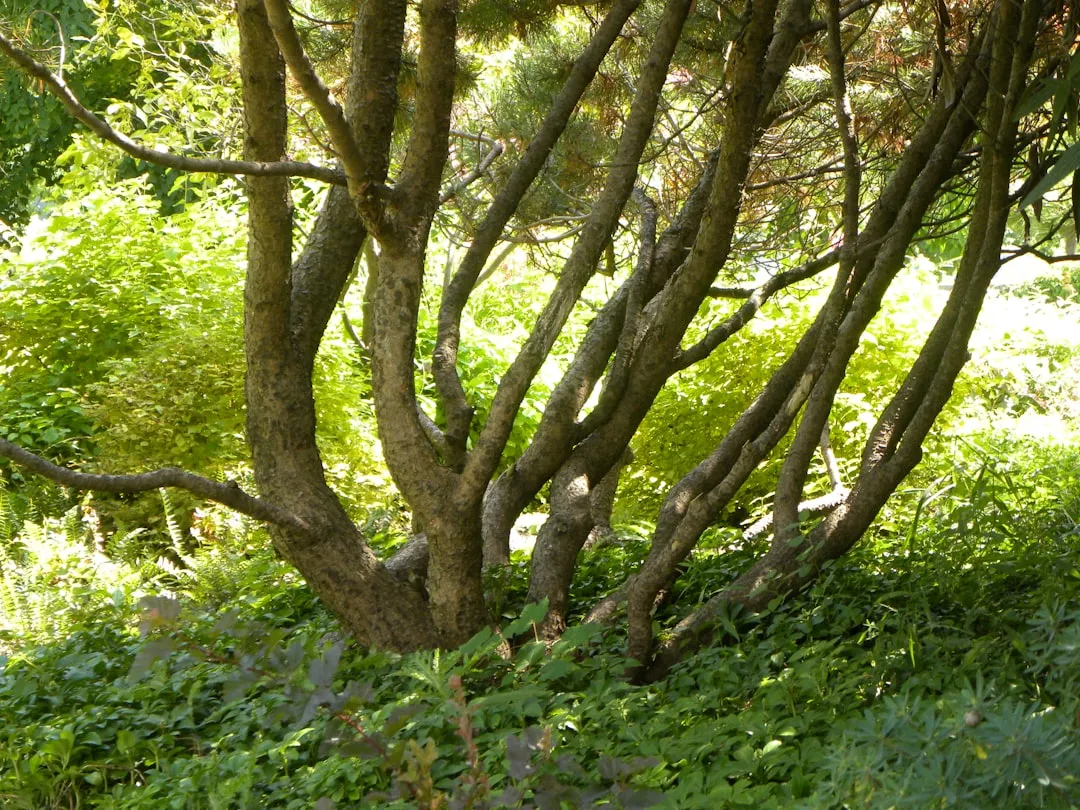
The Enchanting Allure of the Hawthorn Tree
The Enchanting Allure of the Hawthorn Tree
The Magic of Low - Maintenance Shade Trees in Your Landscape
The Magic of Low - Maintenance Shade Trees in Your Landscape
Blue Hydrangeas: A Splash of Color in Your Garden
Blue Hydrangeas: A Splash of Color in Your Garden
Unveiling the Mysteries of Lawn Mushroom Circles and Prevention Tips
Unveiling the Mysteries of Lawn Mushroom Circles and Prevention Tips
The Secret to a Thriving Yard: Fertilizer Mastery
The Secret to a Thriving Yard: Fertilizer Mastery
Pre - Winter Yard Preparation: A Smart Move
Pre - Winter Yard Preparation: A Smart Move
Gardening's Tiny Menace: Cucumber Beetles Unveiled
Gardening's Tiny Menace: Cucumber Beetles Unveiled
Reclaim Your Container Gardens from Ants
Reclaim Your Container Gardens from Ants
Nature's Defense: Keeping Fleas and Ticks at Bay with Garden Plants
Nature's Defense: Keeping Fleas and Ticks at Bay with Garden Plants
Battling the Tiny Invaders in Your Garden
Battling the Tiny Invaders in Your Garden
The Hidden Gems of Your Garden: Alpine Strawberries
The Hidden Gems of Your Garden: Alpine Strawberries
Unveiling the Secrets of Lavender Harvesting
Unveiling the Secrets of Lavender Harvesting
Unveiling the Secrets of Kale Harvesting
Unveiling the Secrets of Kale Harvesting
The Secret to Thriving Indoor Plants: Fertilization Guide
The Secret to Thriving Indoor Plants: Fertilization Guide
The Secret to Thriving Aloe Vera in Your Home
The Secret to Thriving Aloe Vera in Your Home
The Secret to Thriving Indoor Plants: Pot Selection
The Secret to Thriving Indoor Plants: Pot Selection
The Allure of Indoor Trees: Elevating Your Space
The Allure of Indoor Trees: Elevating Your Space
Reviving Your Peace Lily: Unveiling the Secrets Behind Brown-Tipped Leaves
Reviving Your Peace Lily: Unveiling the Secrets Behind Brown-Tipped Leaves
The Secret to Thriving Houseplant Multiplication
The Secret to Thriving Houseplant Multiplication
The Secret to a Thriving Indoor Plant Oasis
The Secret to a Thriving Indoor Plant Oasis


