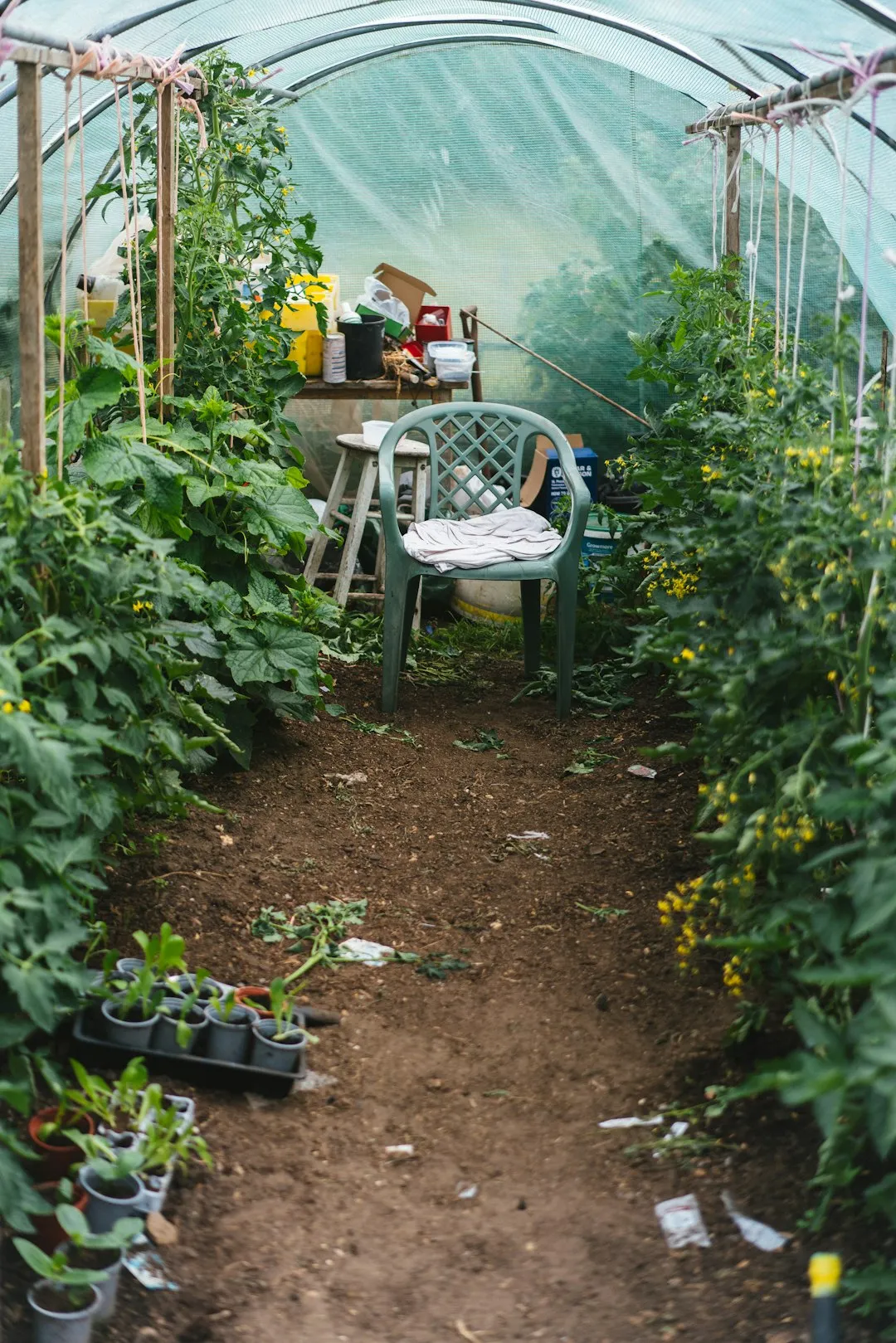
Edible gardening is a rewarding endeavor, and growing tomatoes is often at the top of the list for many gardeners. One of the crucial decisions you'll face when cultivating tomato plants is whether to stake or cage them. This choice can significantly impact the health, growth, and ultimately, the harvest of your tomato plants. In this article, we'll explore the pros and cons of staking and caging your tomatoes, and provide you with essential tips to ensure your plants stand tall through the harvest season.
Let's start with staking. Staking involves driving a sturdy stake into the ground next to the tomato plant and tying the plant to the stake as it grows. This method has several advantages. Firstly, it provides excellent support for the plant, allowing it to grow vertically. This vertical growth maximizes the use of space in your garden, especially if you have limited area. Secondly, staked plants are more exposed to sunlight and air circulation. Sunlight is essential for photosynthesis, the process by which plants convert light into energy. Adequate air circulation helps prevent the development of fungal diseases, which can be a major problem for tomato plants. For example, if the leaves of the plant are constantly wet and there is poor air movement, diseases like blight can quickly spread.
However, staking also has its drawbacks. It requires regular maintenance. As the tomato plant grows, you need to keep tying it to the stake to ensure it remains upright. This can be time - consuming, especially during the peak growing season. Also, if the stake is not strong enough or is not driven deep enough into the ground, it may not provide sufficient support during heavy winds or when the plant is laden with fruit. In some cases, the plant may even break free from the stake, causing damage.
Now, let's consider caging. Caging involves placing a wire or plastic cage around the tomato plant. The cage provides a framework for the plant to grow within. One of the main benefits of caging is that it is relatively low - maintenance. Once you place the cage around the plant, you don't have to constantly tie the plant as you would with staking. The cage naturally supports the branches and fruit as the plant grows. Additionally, caged plants tend to have a more natural growth pattern. The branches can spread out within the cage, which can lead to a larger number of fruit - bearing branches.
On the other hand, caging also has its limitations. Cages can be bulky and take up more space in the garden compared to staked plants. They can also be more expensive to purchase, especially if you have a large number of tomato plants. Moreover, if the cage is not large enough, the plant may become overcrowded, which can lead to poor air circulation and an increased risk of disease.
So, how do you decide whether to stake or cage your tomato plants? It depends on several factors. If you have a small garden and want to maximize space, staking may be the better option. If you're short on time and prefer a low - maintenance approach, caging could be the way to go. You also need to consider the type of tomato plant you're growing. Determinate tomato plants, which grow to a certain height and then stop, may be more suitable for caging as they don't require as much vertical support. Indeterminate tomato plants, which continue to grow and produce fruit throughout the season, often benefit from staking to keep them growing upright.
In conclusion, both staking and caging have their advantages and disadvantages. By understanding these factors and considering your specific gardening situation, you can make an informed decision that will help your tomato plants thrive and produce a bountiful harvest. Remember to choose high - quality stakes or cages, and provide your plants with proper care, including regular watering, fertilizing, and pest control. With these must - know tips, your tomato plants will stand tall through the harvest season, rewarding you with delicious, home - grown tomatoes.
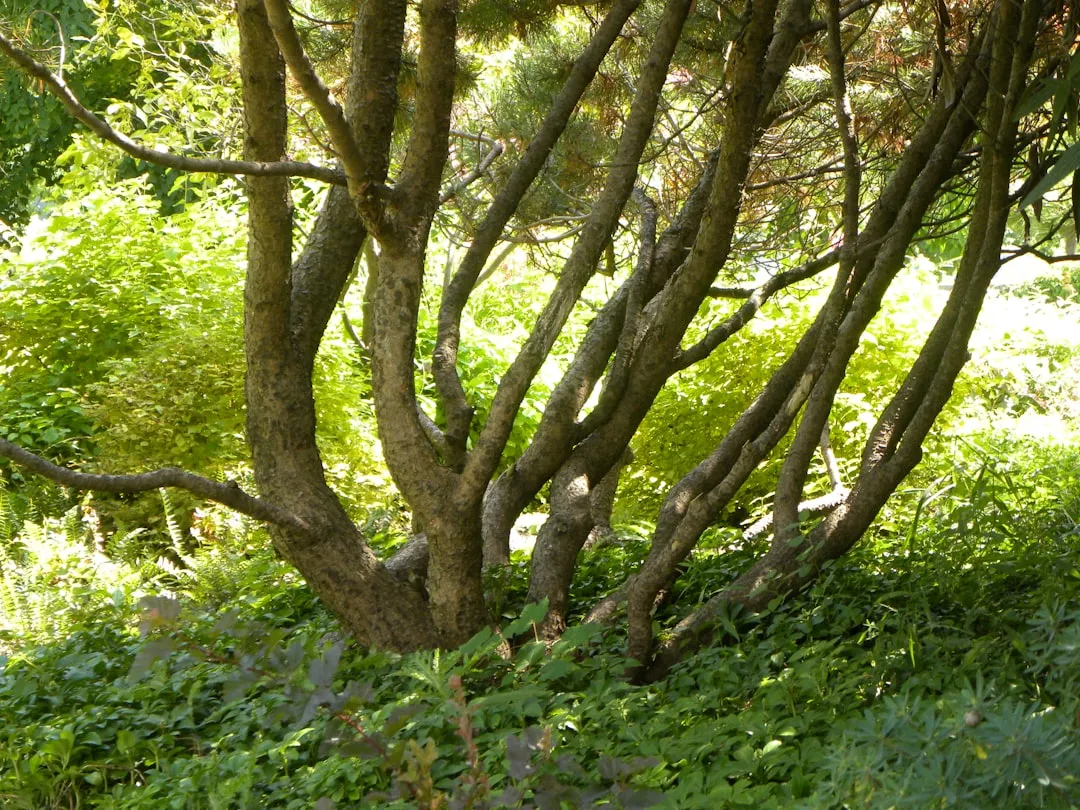
The Enchanting Allure of the Hawthorn Tree
The Enchanting Allure of the Hawthorn Tree
The Magic of Low - Maintenance Shade Trees in Your Landscape
The Magic of Low - Maintenance Shade Trees in Your Landscape
Blue Hydrangeas: A Splash of Color in Your Garden
Blue Hydrangeas: A Splash of Color in Your Garden
Unveiling the Mysteries of Lawn Mushroom Circles and Prevention Tips
Unveiling the Mysteries of Lawn Mushroom Circles and Prevention Tips
The Secret to a Thriving Yard: Fertilizer Mastery
The Secret to a Thriving Yard: Fertilizer Mastery
Pre - Winter Yard Preparation: A Smart Move
Pre - Winter Yard Preparation: A Smart Move
Gardening's Tiny Menace: Cucumber Beetles Unveiled
Gardening's Tiny Menace: Cucumber Beetles Unveiled
Reclaim Your Container Gardens from Ants
Reclaim Your Container Gardens from Ants
Nature's Defense: Keeping Fleas and Ticks at Bay with Garden Plants
Nature's Defense: Keeping Fleas and Ticks at Bay with Garden Plants
Battling the Tiny Invaders in Your Garden
Battling the Tiny Invaders in Your Garden
The Hidden Gems of Your Garden: Alpine Strawberries
The Hidden Gems of Your Garden: Alpine Strawberries
Unveiling the Secrets of Lavender Harvesting
Unveiling the Secrets of Lavender Harvesting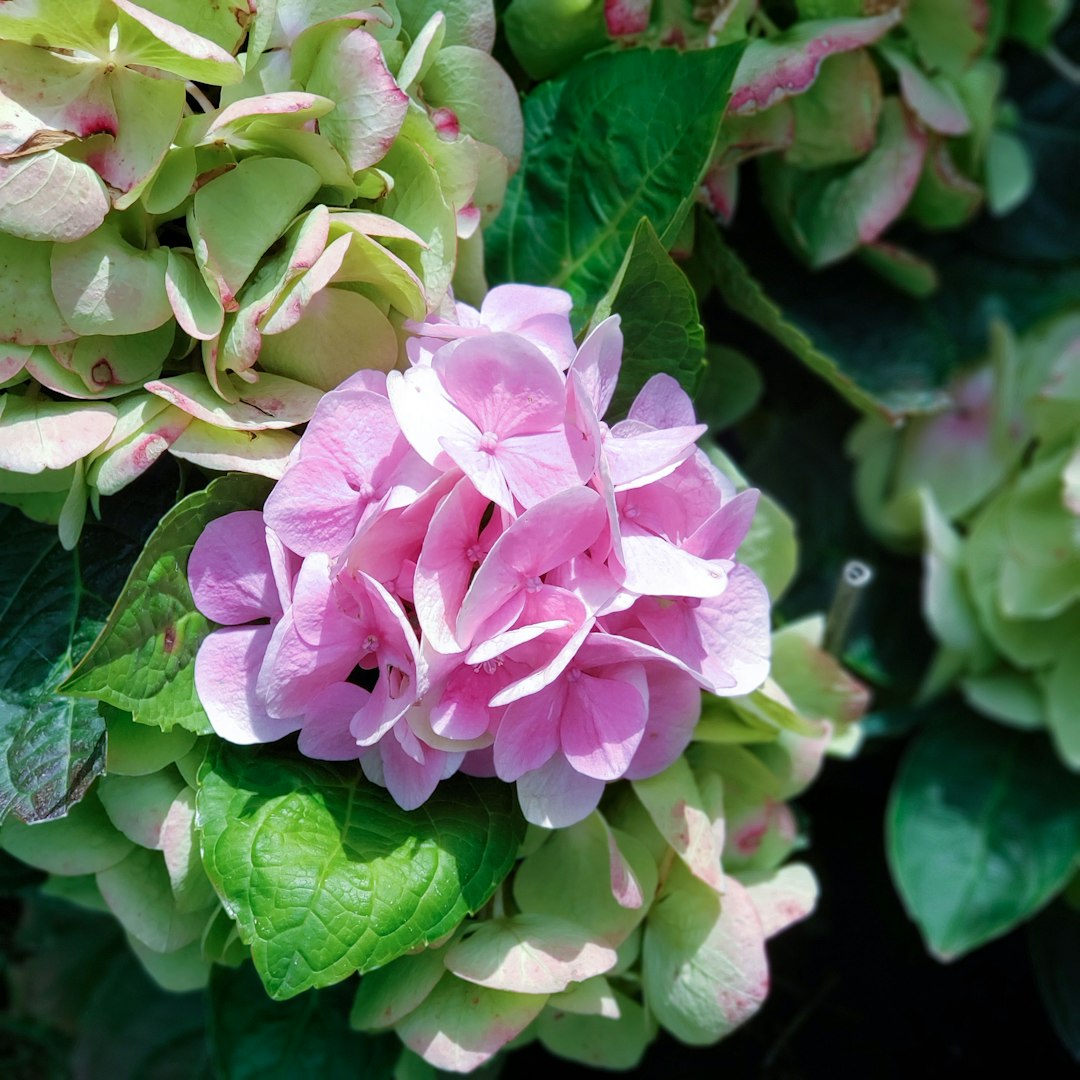
Unveiling the Secrets of Kale Harvesting
Unveiling the Secrets of Kale Harvesting
The Secret to Thriving Indoor Plants: Fertilization Guide
The Secret to Thriving Indoor Plants: Fertilization Guide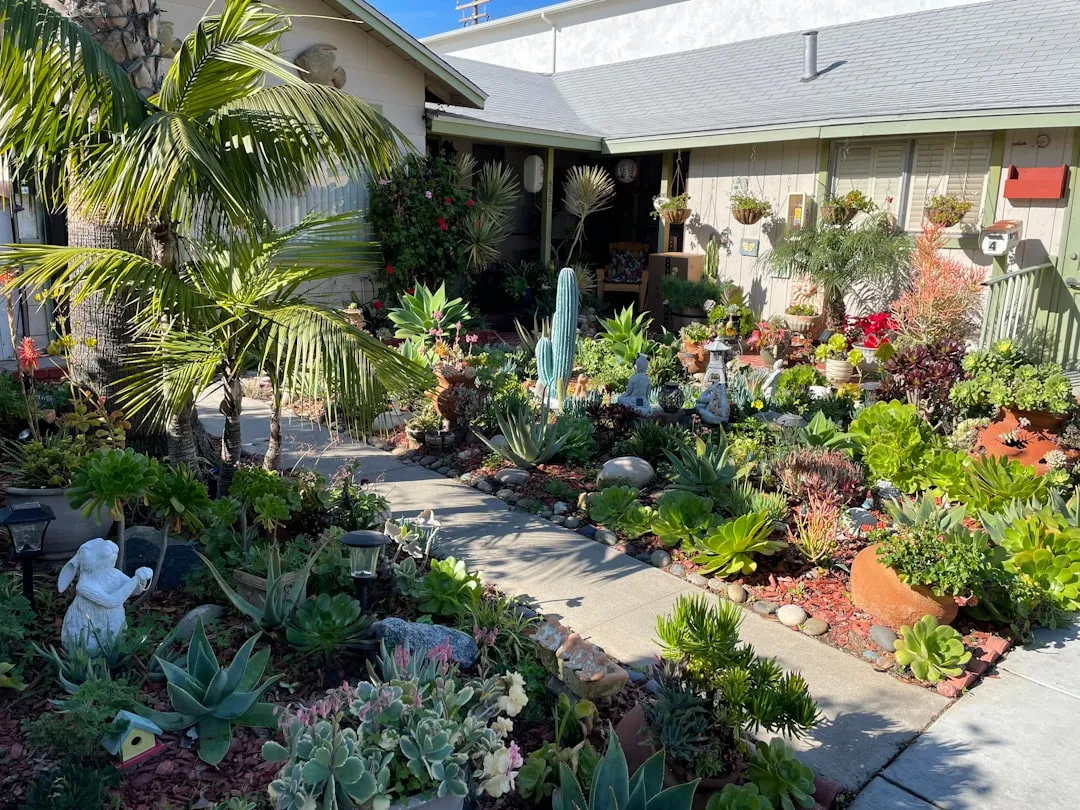
The Secret to Thriving Aloe Vera in Your Home
The Secret to Thriving Aloe Vera in Your Home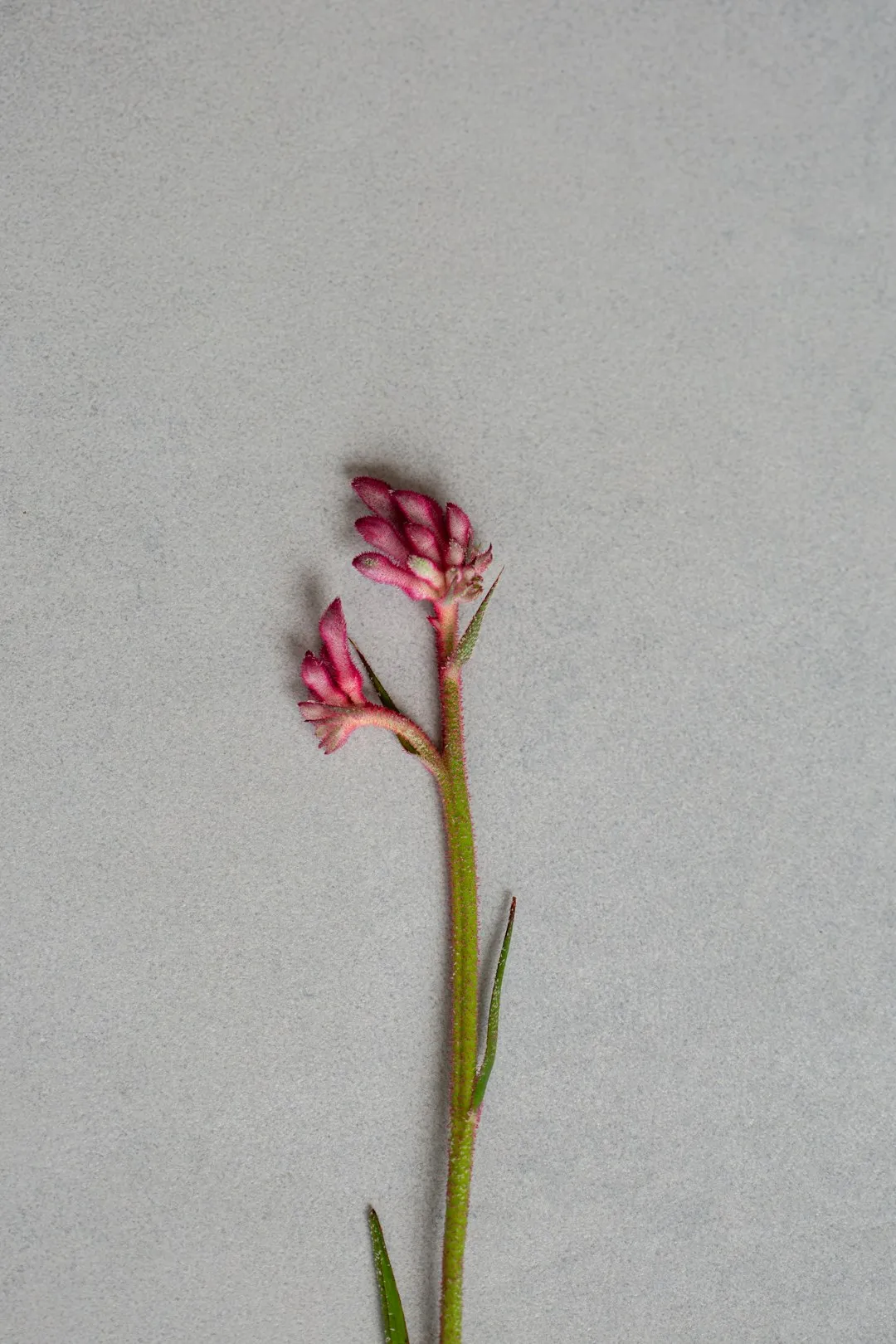
The Secret to Thriving Indoor Plants: Pot Selection
The Secret to Thriving Indoor Plants: Pot Selection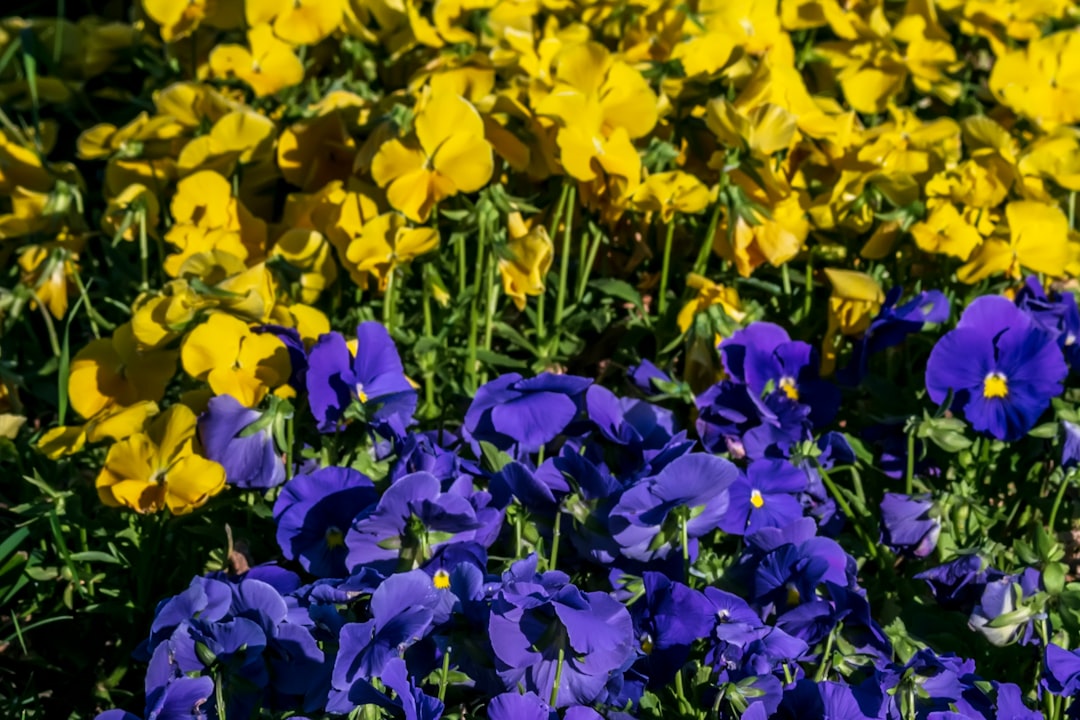
The Allure of Indoor Trees: Elevating Your Space
The Allure of Indoor Trees: Elevating Your Space
Reviving Your Peace Lily: Unveiling the Secrets Behind Brown-Tipped Leaves
Reviving Your Peace Lily: Unveiling the Secrets Behind Brown-Tipped Leaves
The Secret to Thriving Houseplant Multiplication
The Secret to Thriving Houseplant Multiplication
The Secret to a Thriving Indoor Plant Oasis
The Secret to a Thriving Indoor Plant Oasis


