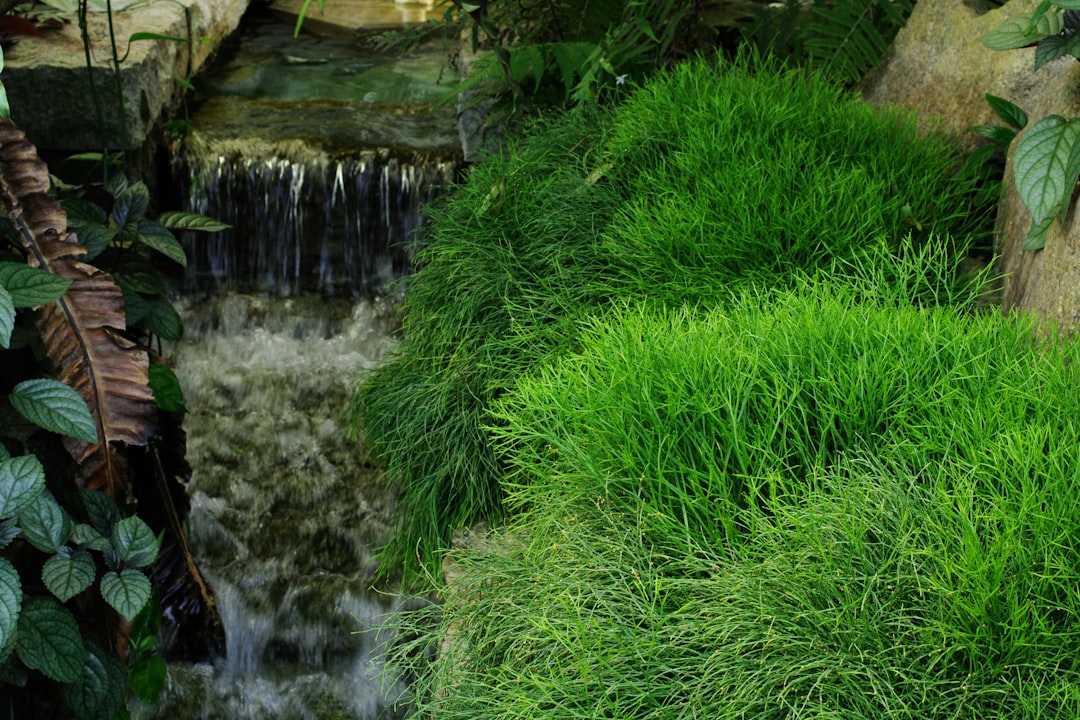
Houseplants have long been a beloved addition to homes, bringing a touch of nature indoors and offering numerous benefits such as improving air quality and reducing stress. Among the many popular houseplants, the string of pearls plant stands out with its unique appearance. With its cascading strands of spherical leaves resembling a string of pearls, it adds a whimsical and elegant touch to any space. However, caring for a string of pearls plant requires some specific knowledge and attention. In this article, we will explore how to propagate, water, and take proper care of this charming houseplant.
Propagation
Propagating a string of pearls plant is an exciting way to expand your collection or share it with friends. There are a couple of common methods for propagation: stem cuttings and leaf cuttings. Stem cuttings are often the more reliable method. To propagate using stem cuttings, start by selecting a healthy stem from the mother plant. Use a clean, sharp pair of scissors or pruning shears to cut a section of the stem that is a few inches long. Make sure the cutting has several sets of leaves. Remove the lower leaves from the cutting, leaving about an inch or two of bare stem at the bottom. Then, allow the cutting to dry for a day or two. This helps to prevent rot when it is planted. Once the cutting has dried, you can plant it in a well - draining potting mix. A mix of cactus soil and perlite works well. Insert the bare end of the stem into the soil and gently press the soil around it. Keep the soil slightly moist but not overly wet. Place the pot in a bright, indirect light location. In a few weeks, you should start to see roots forming, and new growth will follow.
Leaf cuttings can also be attempted, but they are a bit more challenging. Take a single leaf from the plant and lay it on top of a well - draining soil mix. Mist the soil lightly to keep it moist. Over time, a new plant may develop from the base of the leaf, but this process is slower and less reliable than stem cuttings.
Watering
One of the most important aspects of caring for a string of pearls plant is proper watering. These plants are native to arid regions, so they are adapted to survive in dry conditions. Overwatering is one of the most common mistakes that can lead to the demise of a string of pearls plant. The key is to water sparingly. Wait until the soil is completely dry before watering again. You can check the moisture level of the soil by sticking your finger about an inch into the soil. If it feels dry, it's time to water. When watering, give the plant a thorough soak, but make sure the excess water drains out of the pot. Avoid letting the plant sit in standing water, as this can cause root rot. During the winter months, when the plant is in a dormant phase, reduce watering even further.
Light Requirements
String of pearls plants thrive in bright, indirect light. They need enough light to photosynthesize and grow, but direct sunlight can be too intense and may scorch the leaves. A south - facing window with a sheer curtain or an east - facing window is an ideal location. If you don't have a suitable window, you can also use artificial grow lights. Place the grow lights about 12 - 18 inches above the plant and keep them on for about 12 - 14 hours a day.
Soil and Fertilizer
As mentioned earlier, a well - draining soil mix is essential for a string of pearls plant. A cactus or succulent soil mix is a great choice, or you can create your own by mixing regular potting soil with perlite or sand. Fertilizing is not necessary very often. You can fertilize the plant once or twice a year during the growing season (spring and summer) with a diluted, balanced liquid fertilizer. Follow the instructions on the fertilizer package for the correct dilution ratio.
Pest and Disease Control
String of pearls plants are generally quite resistant to pests and diseases. However, they can still be affected by common houseplant pests such as mealybugs and spider mites. If you notice small white cottony masses on the plant, it's likely mealybugs. You can remove them by using a cotton swab dipped in rubbing alcohol. Spider mites can cause webbing on the plant and yellowing of the leaves. To get rid of spider mites, you can spray the plant with a mixture of water and mild dish soap. Make sure to spray the undersides of the leaves where the mites often hide.
In conclusion, caring for a string of pearls plant can be a rewarding experience. By following these tips on propagation, watering, light, soil, and pest control, you can ensure that your string of pearls plant thrives and continues to bring beauty to your home for years to come.
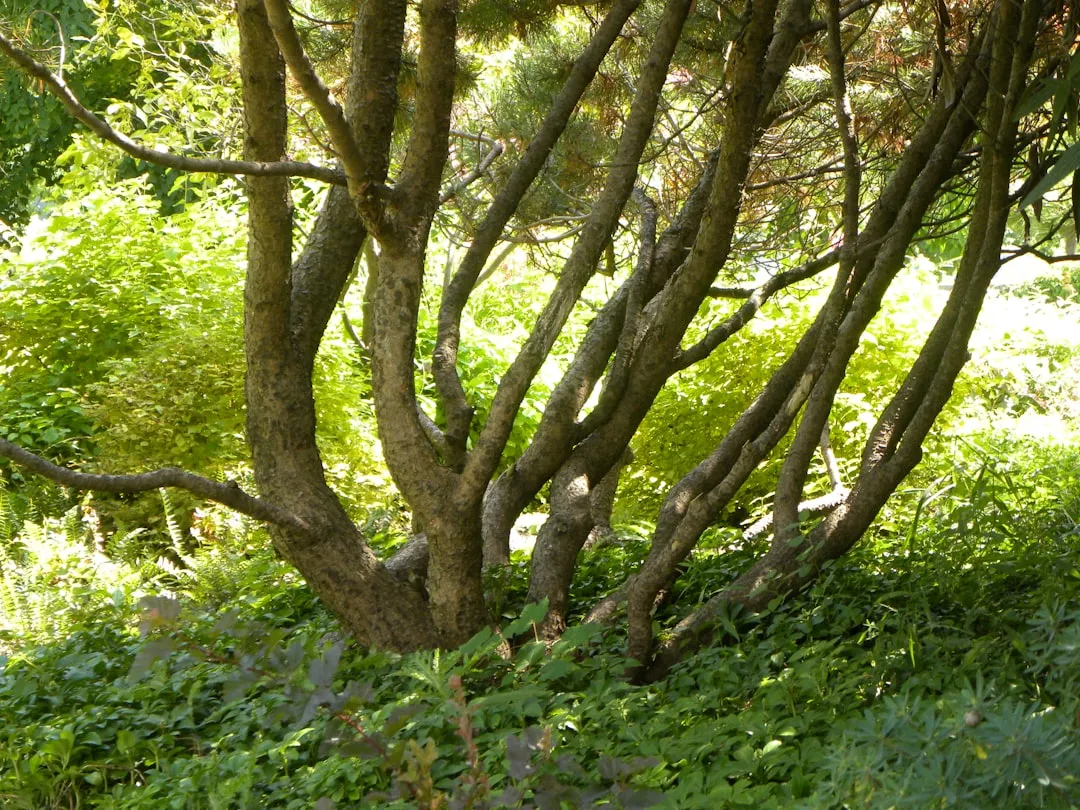
The Enchanting Allure of the Hawthorn Tree
The Enchanting Allure of the Hawthorn Tree
The Magic of Low - Maintenance Shade Trees in Your Landscape
The Magic of Low - Maintenance Shade Trees in Your Landscape
Blue Hydrangeas: A Splash of Color in Your Garden
Blue Hydrangeas: A Splash of Color in Your Garden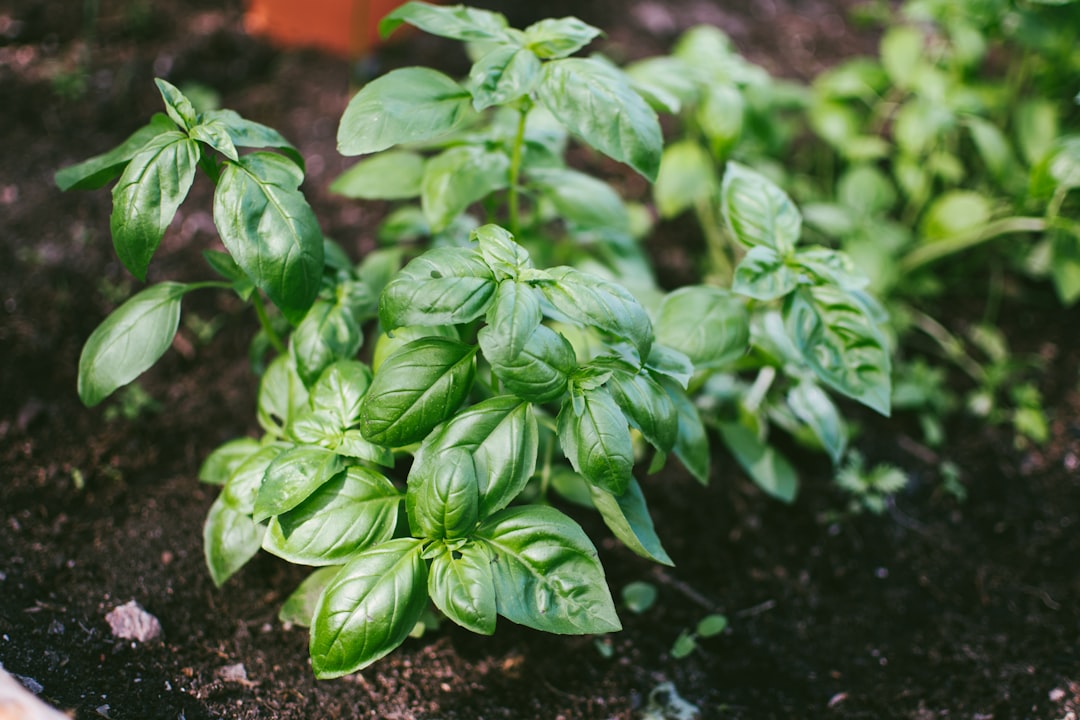
Unveiling the Mysteries of Lawn Mushroom Circles and Prevention Tips
Unveiling the Mysteries of Lawn Mushroom Circles and Prevention Tips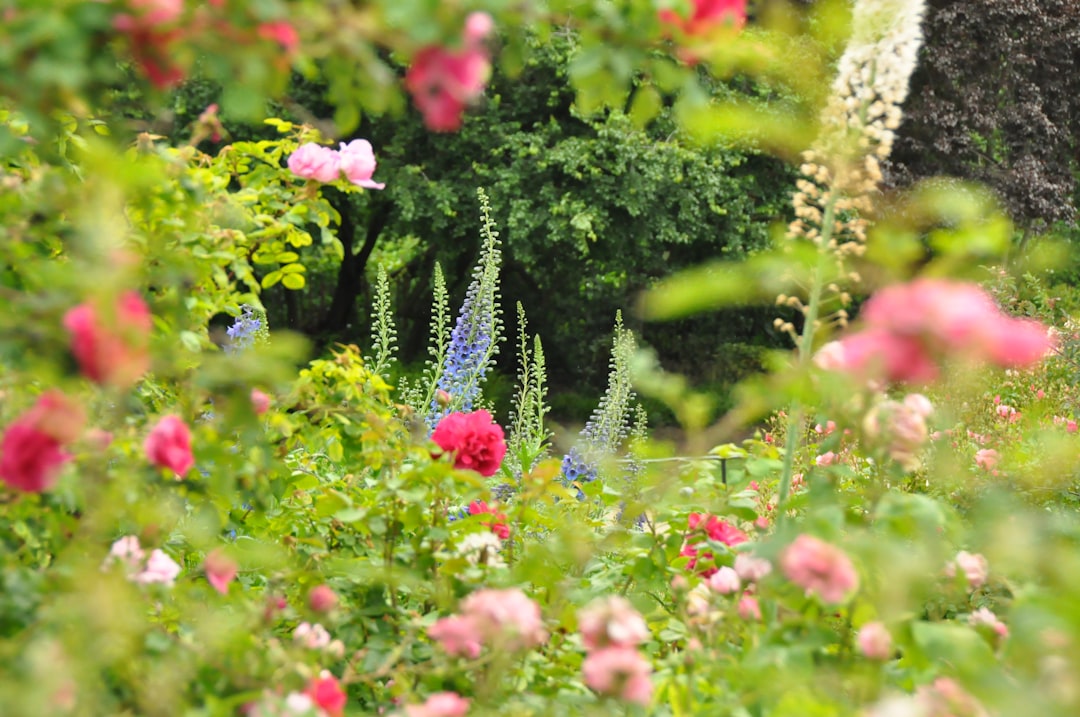
The Secret to a Thriving Yard: Fertilizer Mastery
The Secret to a Thriving Yard: Fertilizer Mastery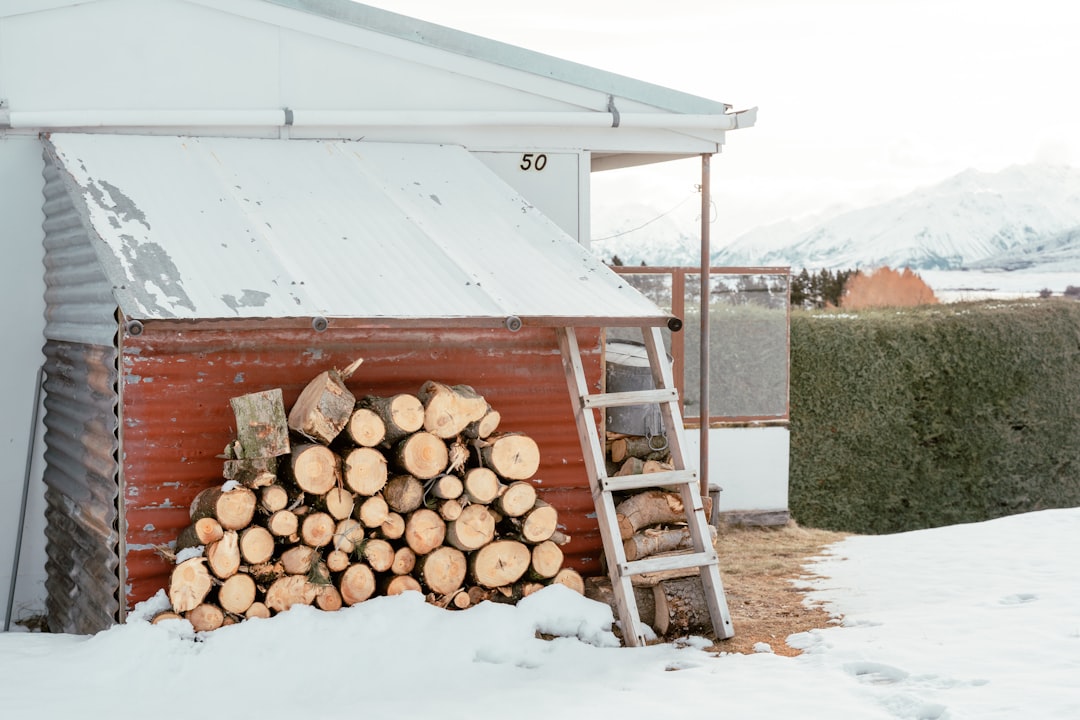
Pre - Winter Yard Preparation: A Smart Move
Pre - Winter Yard Preparation: A Smart Move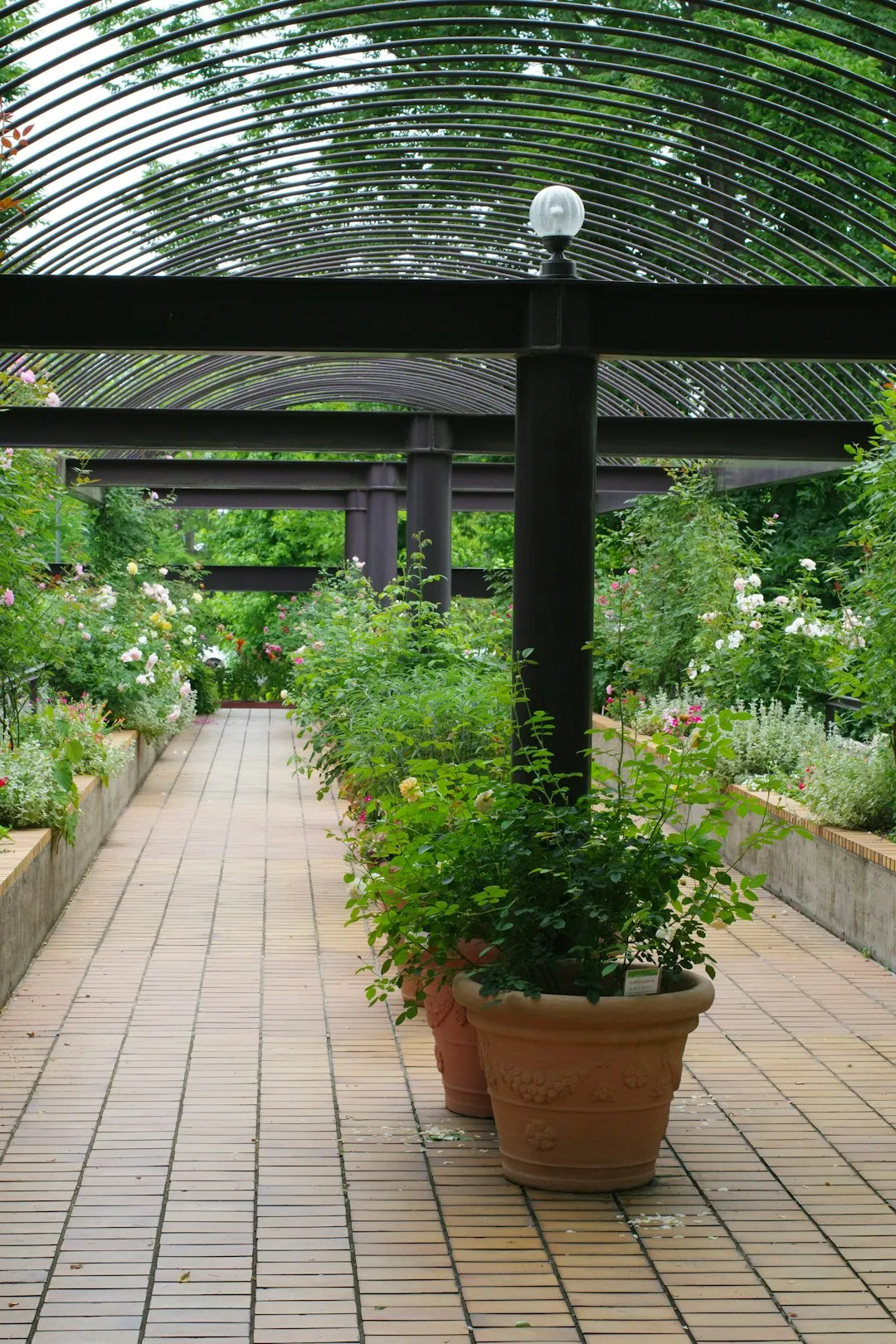
Gardening's Tiny Menace: Cucumber Beetles Unveiled
Gardening's Tiny Menace: Cucumber Beetles Unveiled
Reclaim Your Container Gardens from Ants
Reclaim Your Container Gardens from Ants
Nature's Defense: Keeping Fleas and Ticks at Bay with Garden Plants
Nature's Defense: Keeping Fleas and Ticks at Bay with Garden Plants
Battling the Tiny Invaders in Your Garden
Battling the Tiny Invaders in Your Garden
The Hidden Gems of Your Garden: Alpine Strawberries
The Hidden Gems of Your Garden: Alpine Strawberries
Unveiling the Secrets of Lavender Harvesting
Unveiling the Secrets of Lavender Harvesting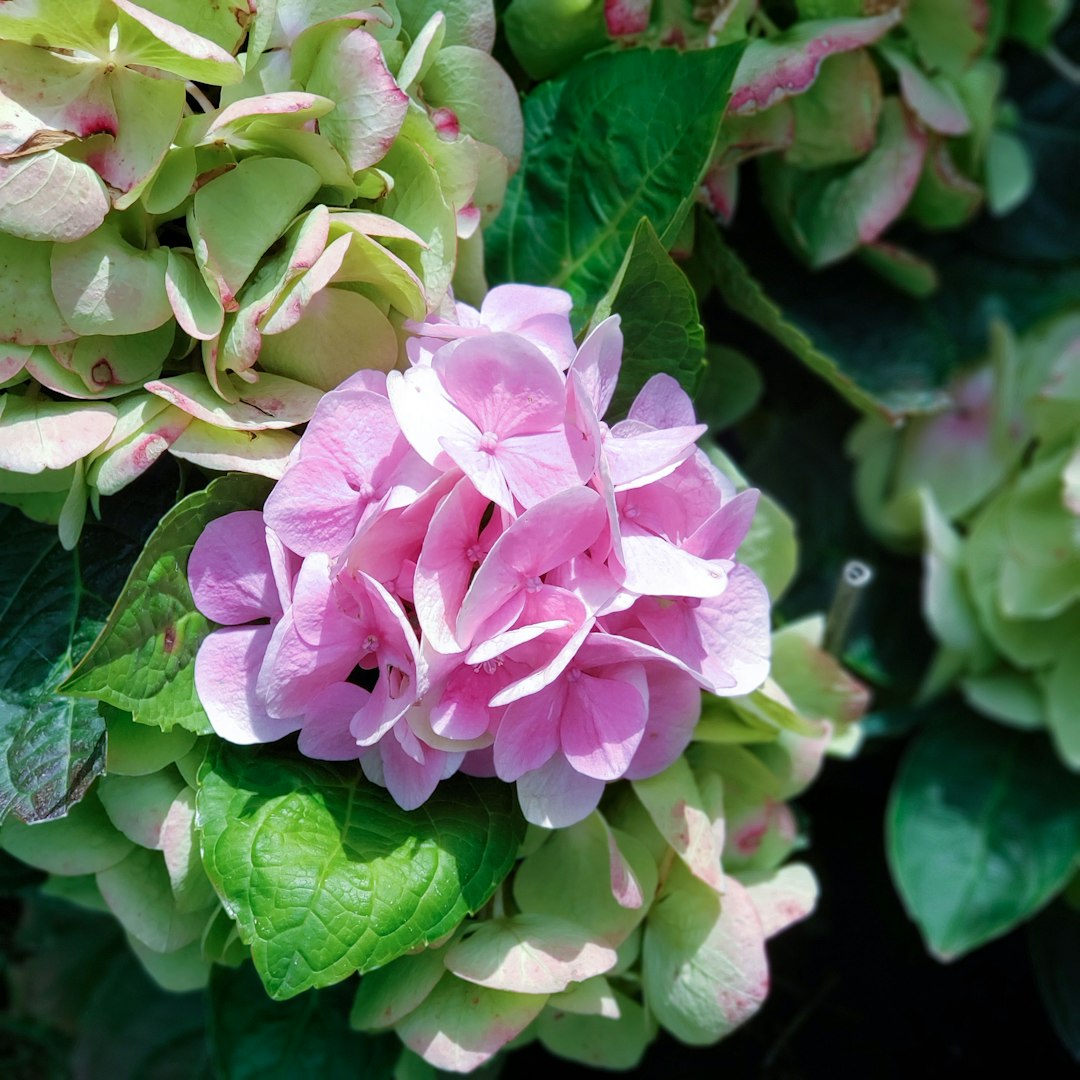
Unveiling the Secrets of Kale Harvesting
Unveiling the Secrets of Kale Harvesting
The Secret to Thriving Indoor Plants: Fertilization Guide
The Secret to Thriving Indoor Plants: Fertilization Guide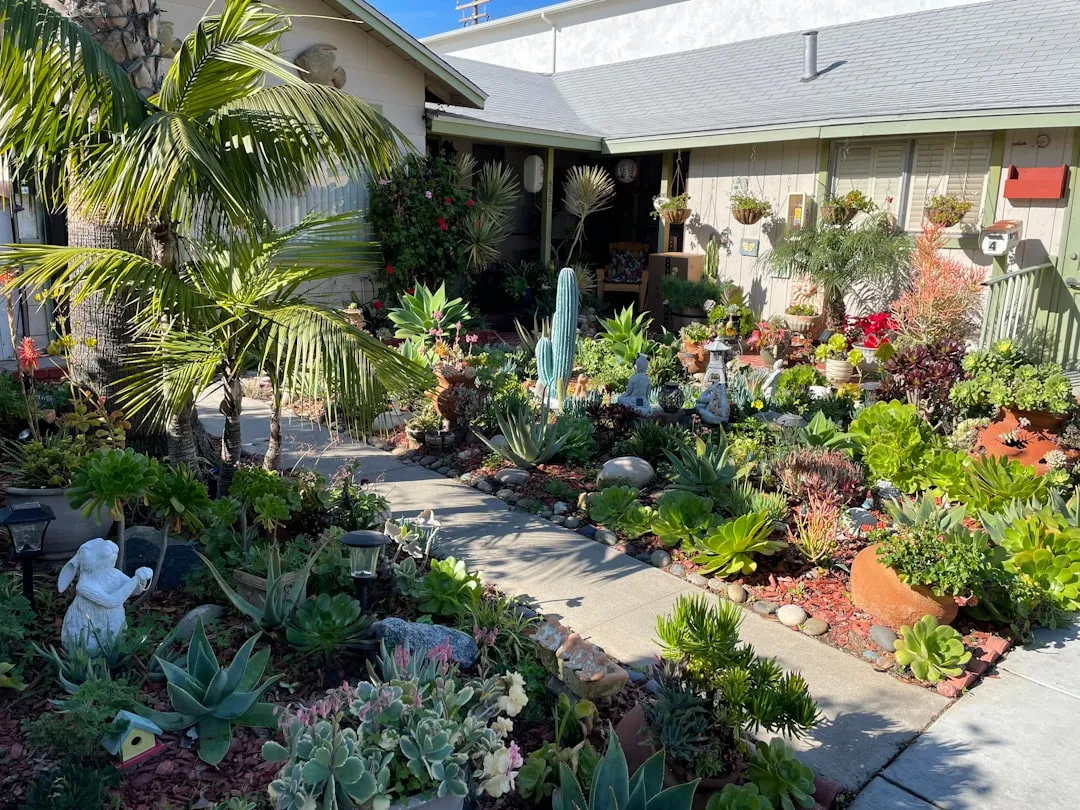
The Secret to Thriving Aloe Vera in Your Home
The Secret to Thriving Aloe Vera in Your Home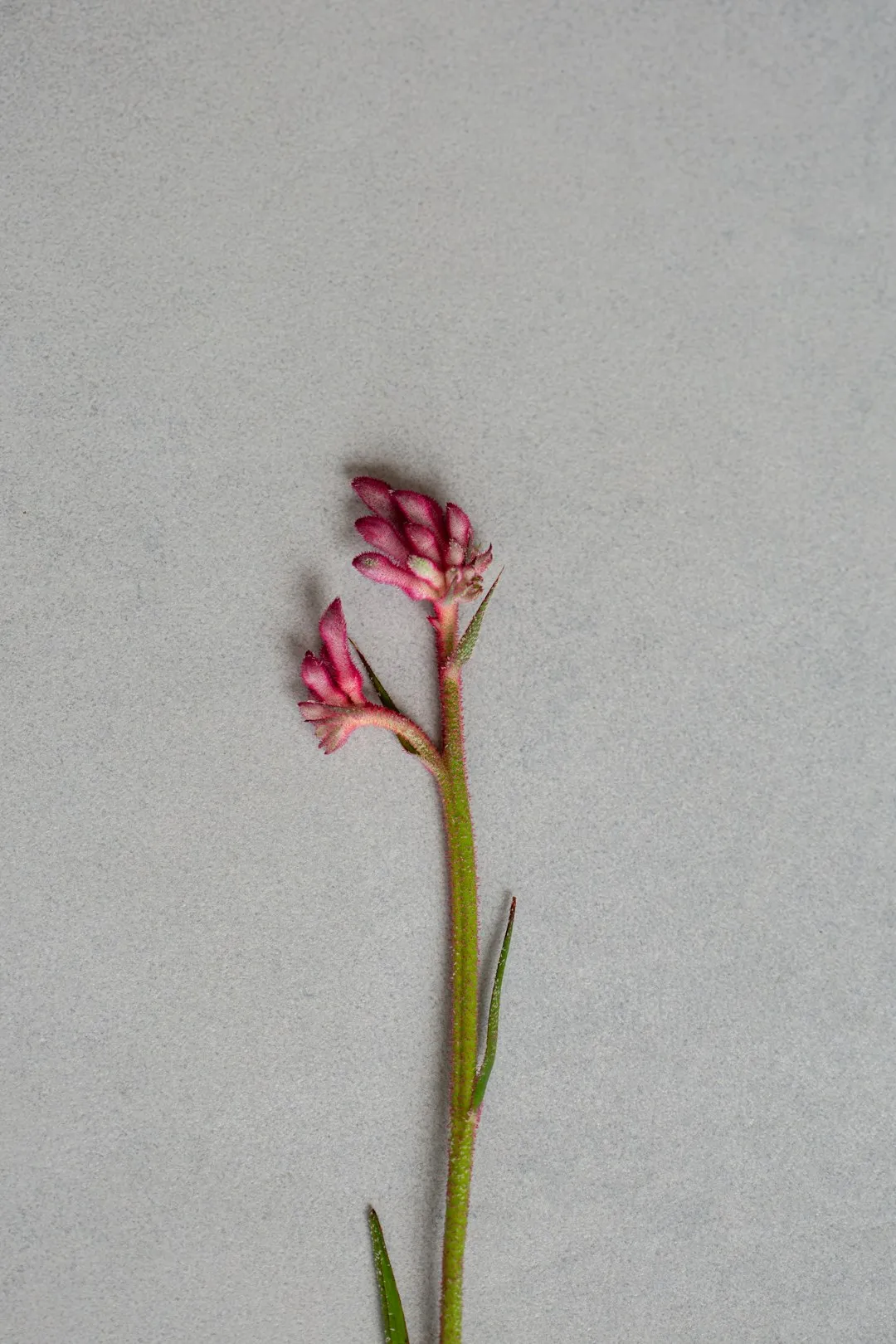
The Secret to Thriving Indoor Plants: Pot Selection
The Secret to Thriving Indoor Plants: Pot Selection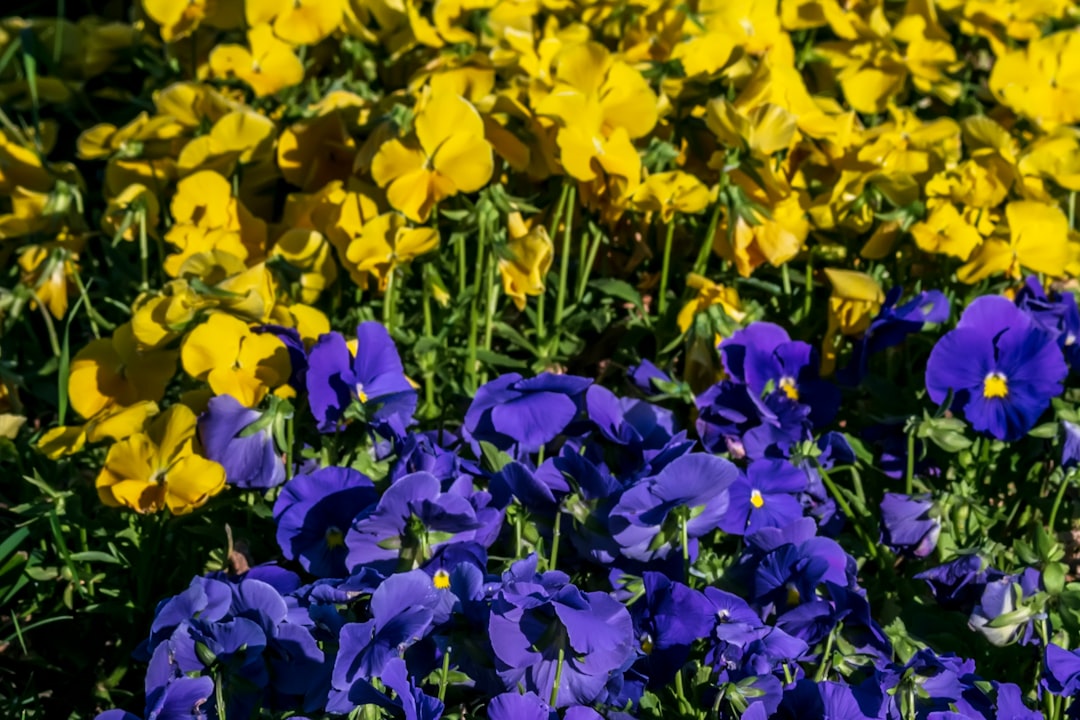
The Allure of Indoor Trees: Elevating Your Space
The Allure of Indoor Trees: Elevating Your Space
Reviving Your Peace Lily: Unveiling the Secrets Behind Brown-Tipped Leaves
Reviving Your Peace Lily: Unveiling the Secrets Behind Brown-Tipped Leaves
The Secret to Thriving Houseplant Multiplication
The Secret to Thriving Houseplant Multiplication
The Secret to a Thriving Indoor Plant Oasis
The Secret to a Thriving Indoor Plant Oasis


