Maintaining a beautiful and healthy yard is a goal for many homeowners. One of the most crucial aspects of yard care is lawn mowing. How often you should mow your lawn is not a one - size - fits - all answer. It depends on several factors, including the type of grass and the weather conditions.
First, let's talk about the different types of grass. There are two main categories: cool - season grasses and warm - season grasses. Cool - season grasses, such as Kentucky bluegrass, fescue, and ryegrass, thrive in cooler temperatures. They typically have a more active growth period in the spring and fall. During these times, you may need to mow your lawn more frequently, perhaps once a week or even more often if the grass is growing rapidly. In the summer, when these grasses go into a semi - dormant state due to the heat, you can reduce the mowing frequency.
On the other hand, warm - season grasses like Bermuda grass, zoysia grass, and St. Augustine grass grow best in warmer climates. They become most active during the summer months. In the peak of summer, you might need to mow your warm - season grass lawn once a week. However, in the cooler months of spring and fall, their growth slows down, and you can mow less often.
The weather also plays a significant role in determining how often to mow. In periods of heavy rainfall and high humidity, grass tends to grow faster. This is because the abundant water and favorable conditions stimulate growth. If you've had a week of consistent rain, you may notice that your grass has shot up several inches. In such cases, it's important to mow promptly to prevent the grass from becoming too long and unruly.
Conversely, during drought conditions, grass growth slows down significantly. You can cut back on mowing during these times to avoid stressing the grass further. Mowing too short during a drought can expose the grass roots to the harsh sun and increase the risk of the grass dying.
Another factor to consider is the height at which you mow your lawn. It's generally recommended to follow the one - third rule. This means that you should never cut more than one - third of the grass blade's length at a time. For example, if your grass is 6 inches tall, you should only cut it down to about 4 inches. Cutting too much at once can shock the grass and make it more susceptible to diseases and pests.
To achieve a lush and healthy lawn, it's also important to use sharp mower blades. Dull blades can tear the grass instead of cutting it cleanly, leaving the grass looking ragged and more vulnerable to damage. Sharpen your mower blades regularly, at least once a season, to ensure a clean cut.
Additionally, the direction in which you mow can make a difference. Alternate the mowing direction each time you mow. This helps prevent the grass from leaning in one direction and promotes more even growth. It also gives your lawn a more professional and well - maintained appearance.
In conclusion, determining the right mowing frequency for your lawn requires careful consideration of the type of grass, weather conditions, and proper mowing techniques. By taking these factors into account and following the tips mentioned above, you can enjoy a beautiful, lush, and healthy lawn all year round. Remember, a well - mowed lawn is not only aesthetically pleasing but also contributes to the overall health of your yard.
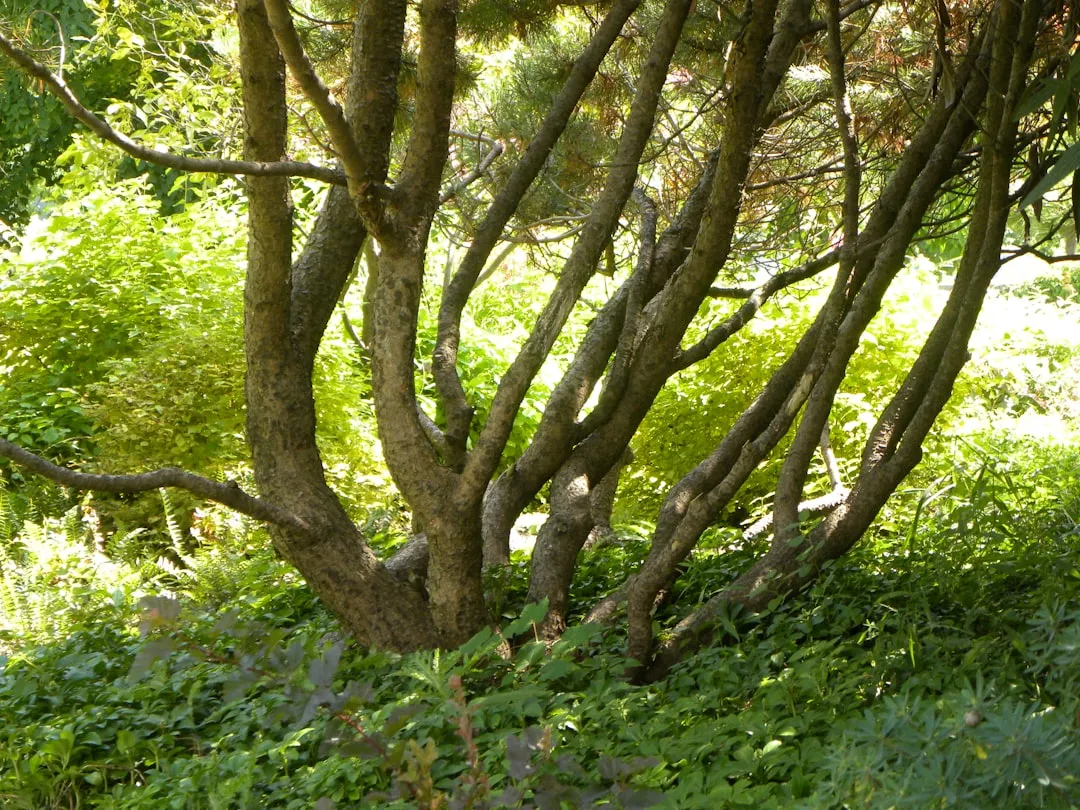
The Enchanting Allure of the Hawthorn Tree
The Enchanting Allure of the Hawthorn Tree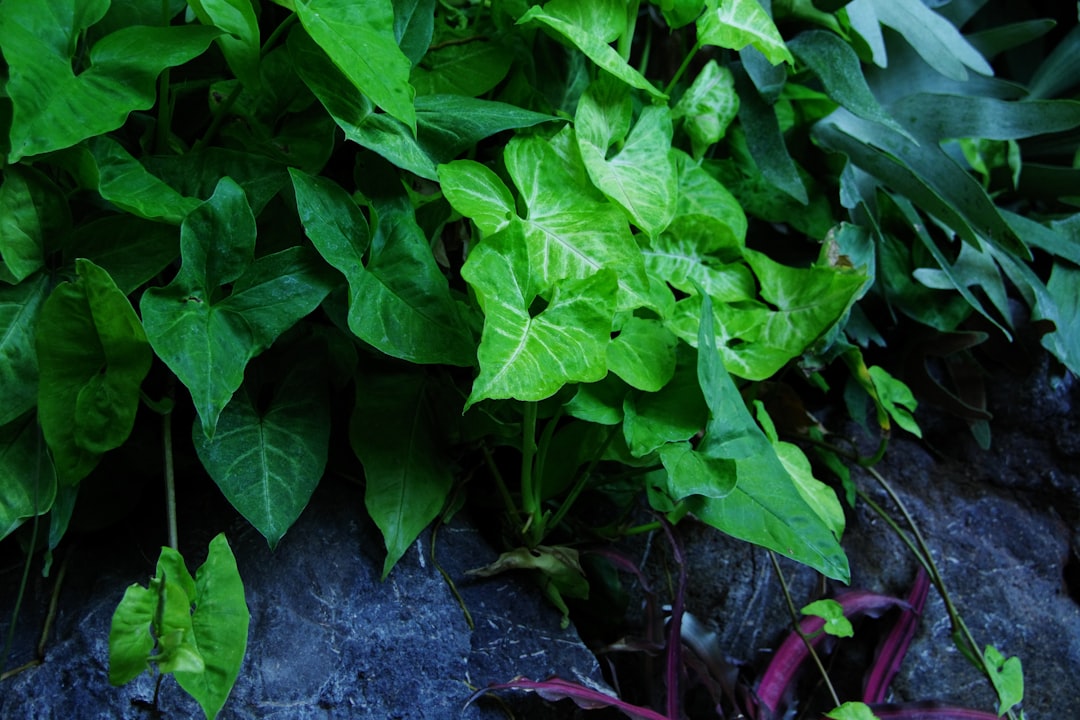
The Magic of Low - Maintenance Shade Trees in Your Landscape
The Magic of Low - Maintenance Shade Trees in Your Landscape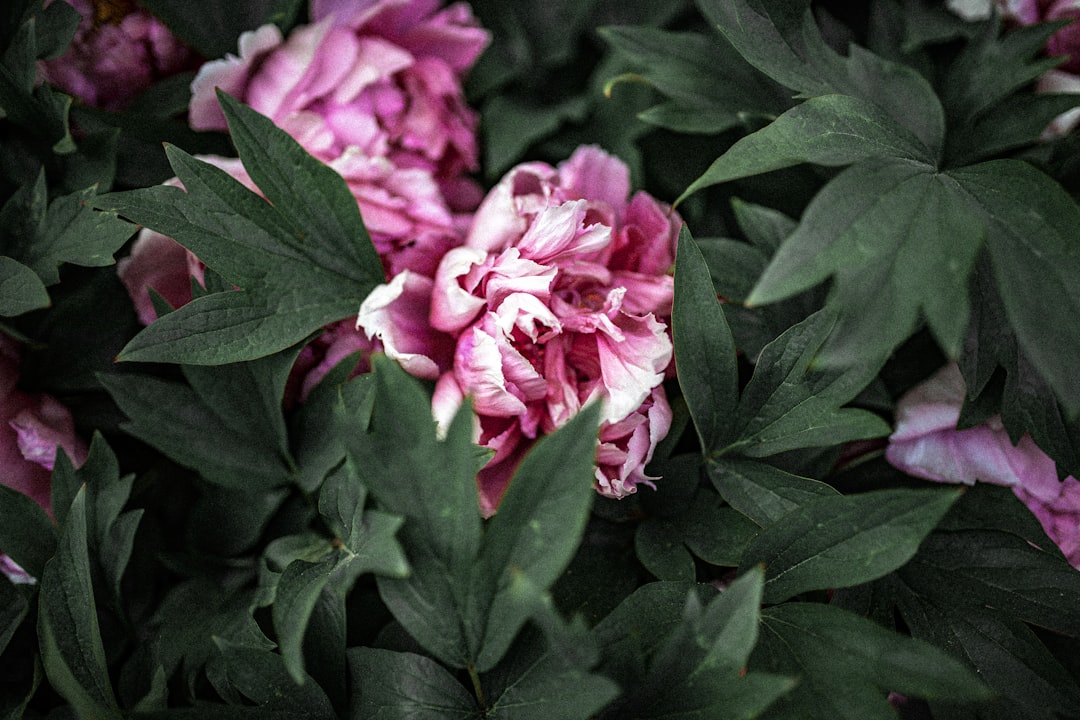
Blue Hydrangeas: A Splash of Color in Your Garden
Blue Hydrangeas: A Splash of Color in Your Garden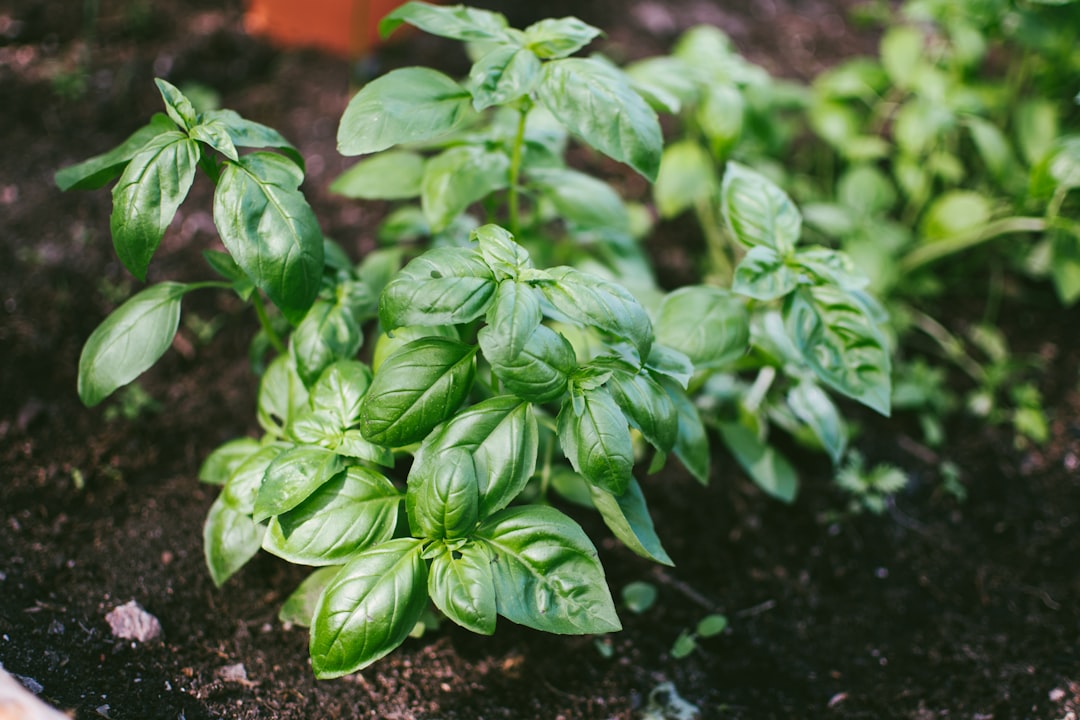
Unveiling the Mysteries of Lawn Mushroom Circles and Prevention Tips
Unveiling the Mysteries of Lawn Mushroom Circles and Prevention Tips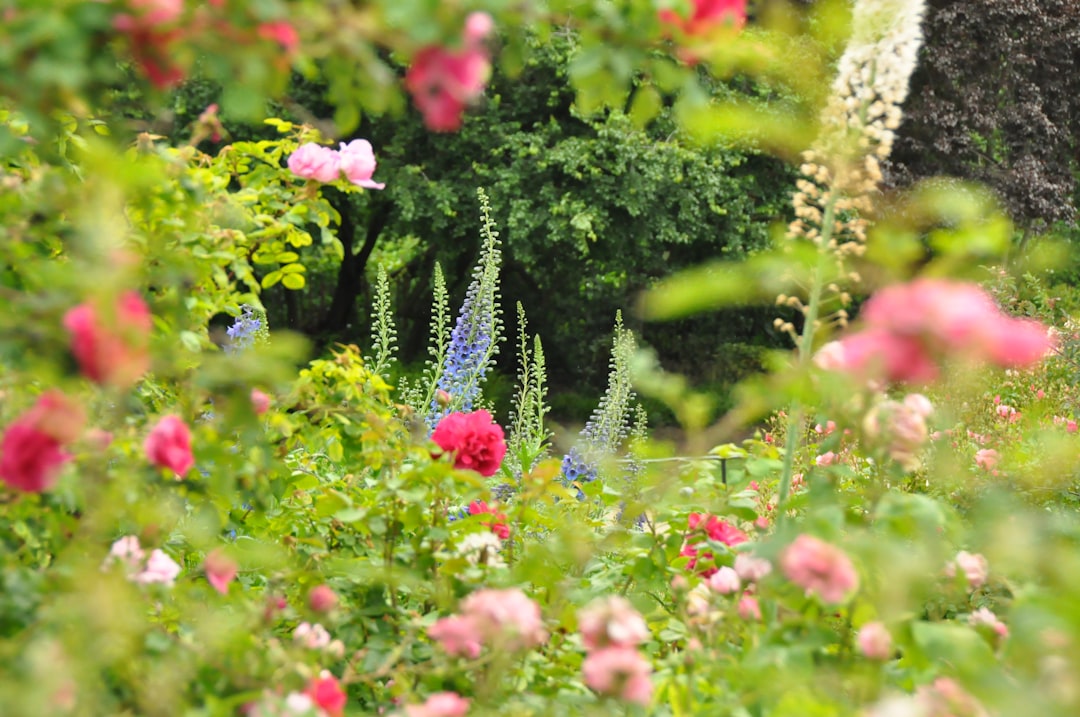
The Secret to a Thriving Yard: Fertilizer Mastery
The Secret to a Thriving Yard: Fertilizer Mastery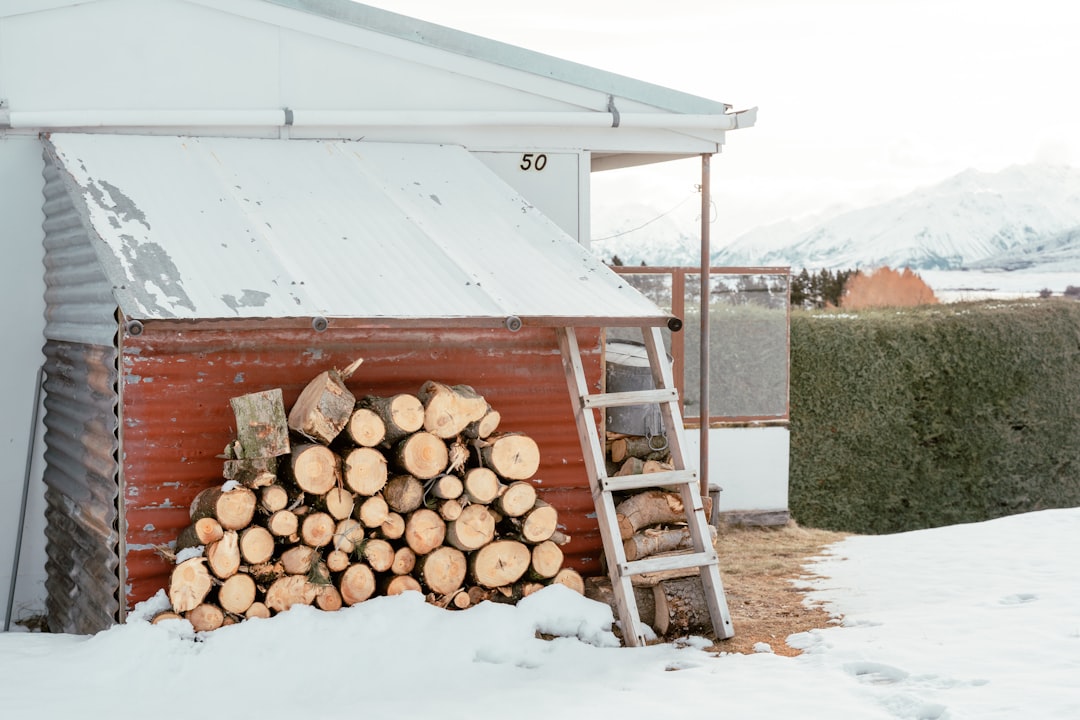
Pre - Winter Yard Preparation: A Smart Move
Pre - Winter Yard Preparation: A Smart Move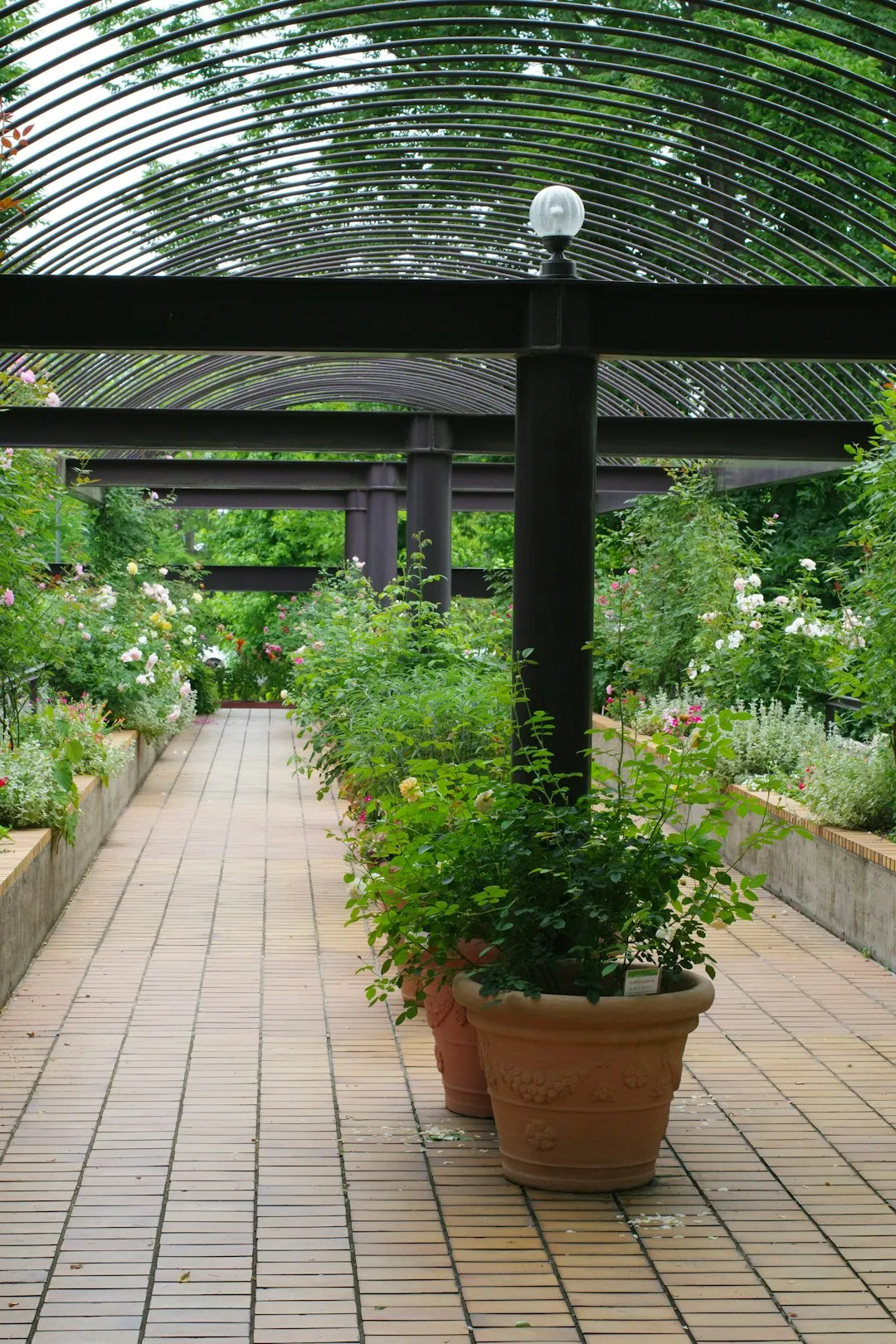
Gardening's Tiny Menace: Cucumber Beetles Unveiled
Gardening's Tiny Menace: Cucumber Beetles Unveiled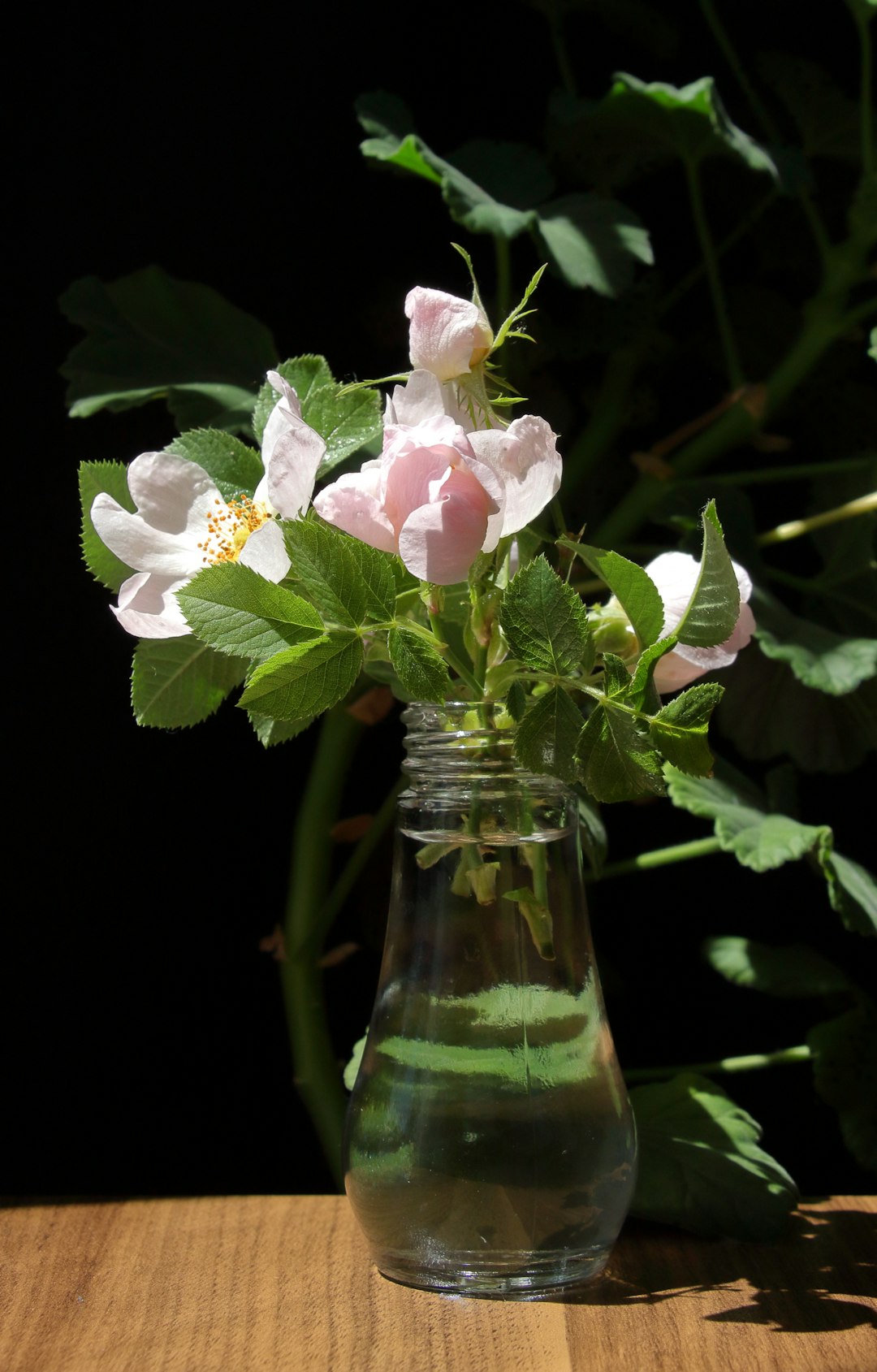
Reclaim Your Container Gardens from Ants
Reclaim Your Container Gardens from Ants
Nature's Defense: Keeping Fleas and Ticks at Bay with Garden Plants
Nature's Defense: Keeping Fleas and Ticks at Bay with Garden Plants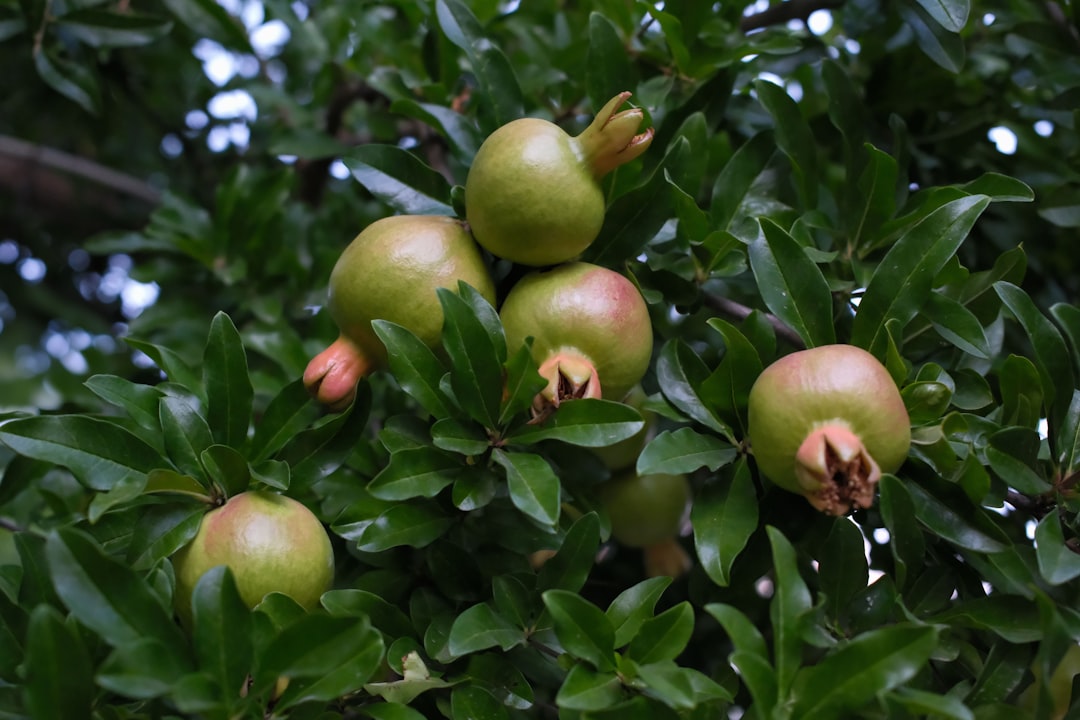
Battling the Tiny Invaders in Your Garden
Battling the Tiny Invaders in Your Garden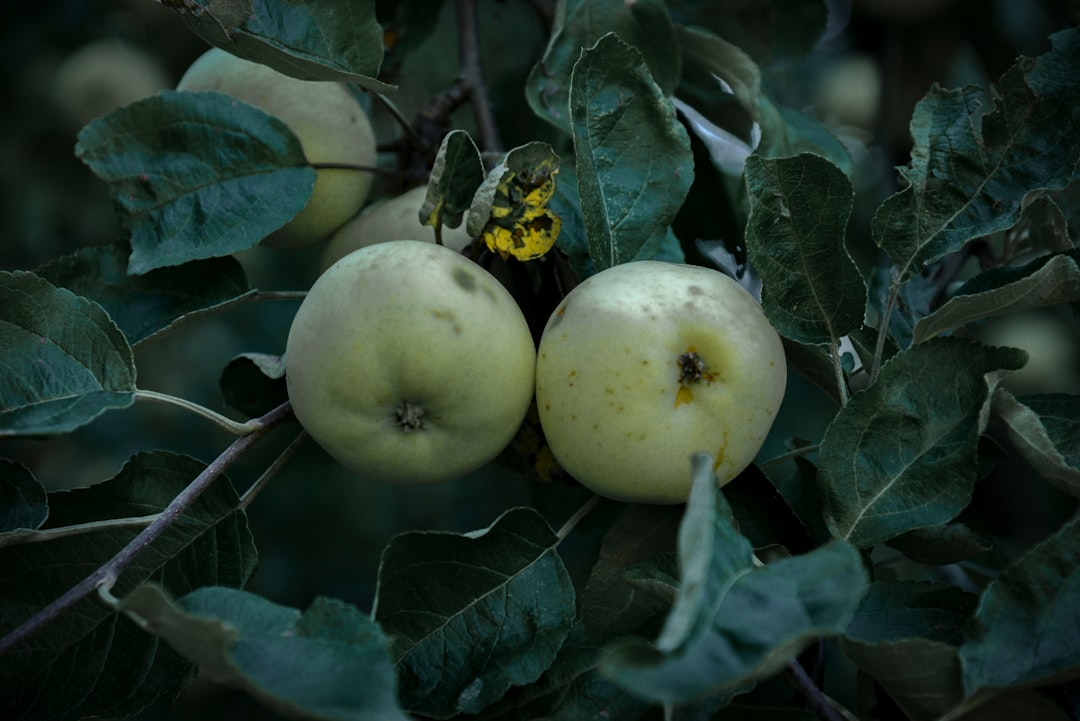
The Hidden Gems of Your Garden: Alpine Strawberries
The Hidden Gems of Your Garden: Alpine Strawberries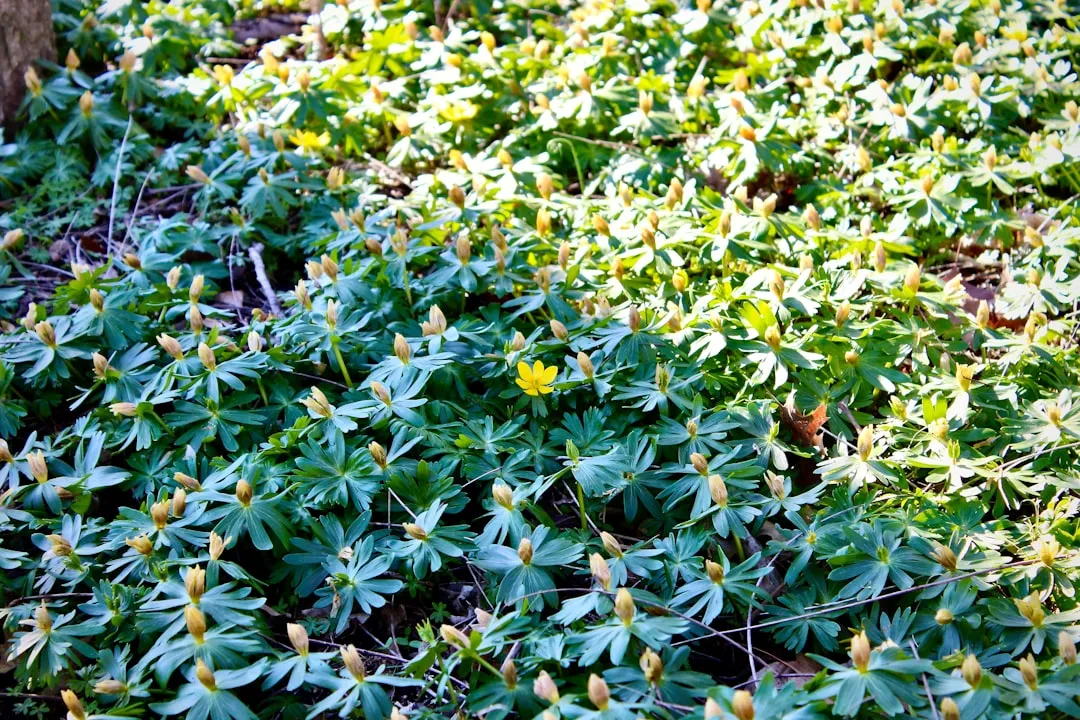
Unveiling the Secrets of Lavender Harvesting
Unveiling the Secrets of Lavender Harvesting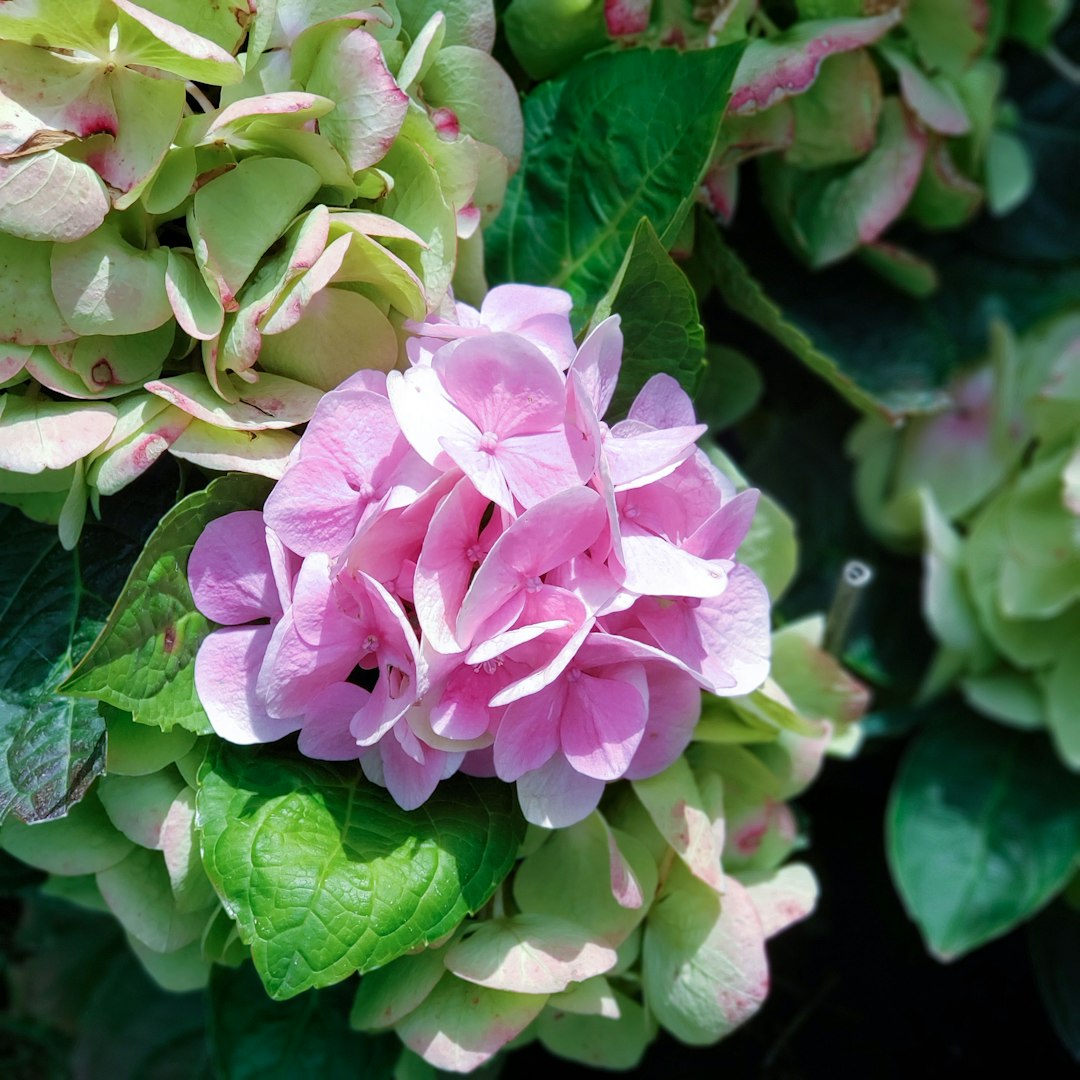
Unveiling the Secrets of Kale Harvesting
Unveiling the Secrets of Kale Harvesting
The Secret to Thriving Indoor Plants: Fertilization Guide
The Secret to Thriving Indoor Plants: Fertilization Guide
The Secret to Thriving Aloe Vera in Your Home
The Secret to Thriving Aloe Vera in Your Home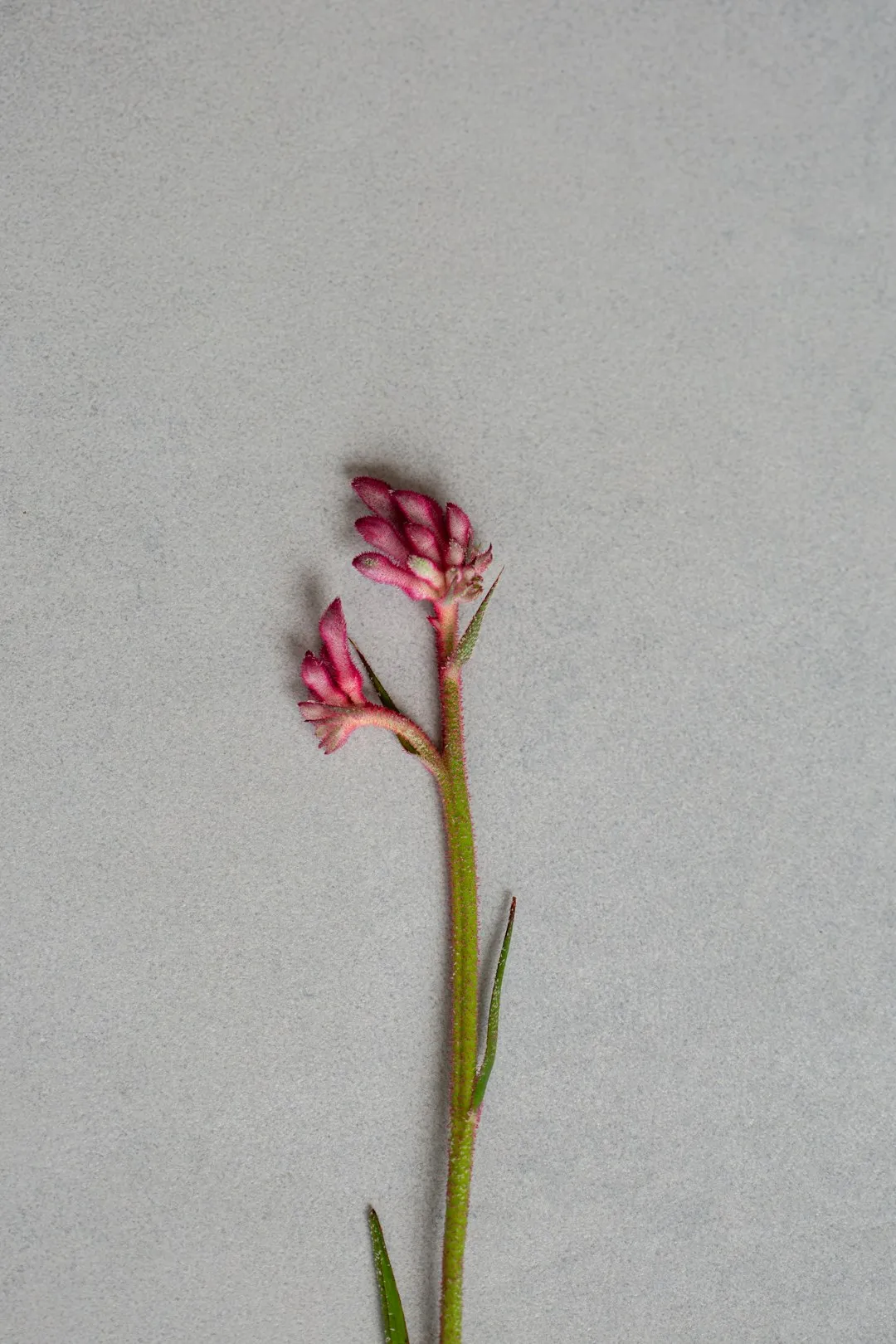
The Secret to Thriving Indoor Plants: Pot Selection
The Secret to Thriving Indoor Plants: Pot Selection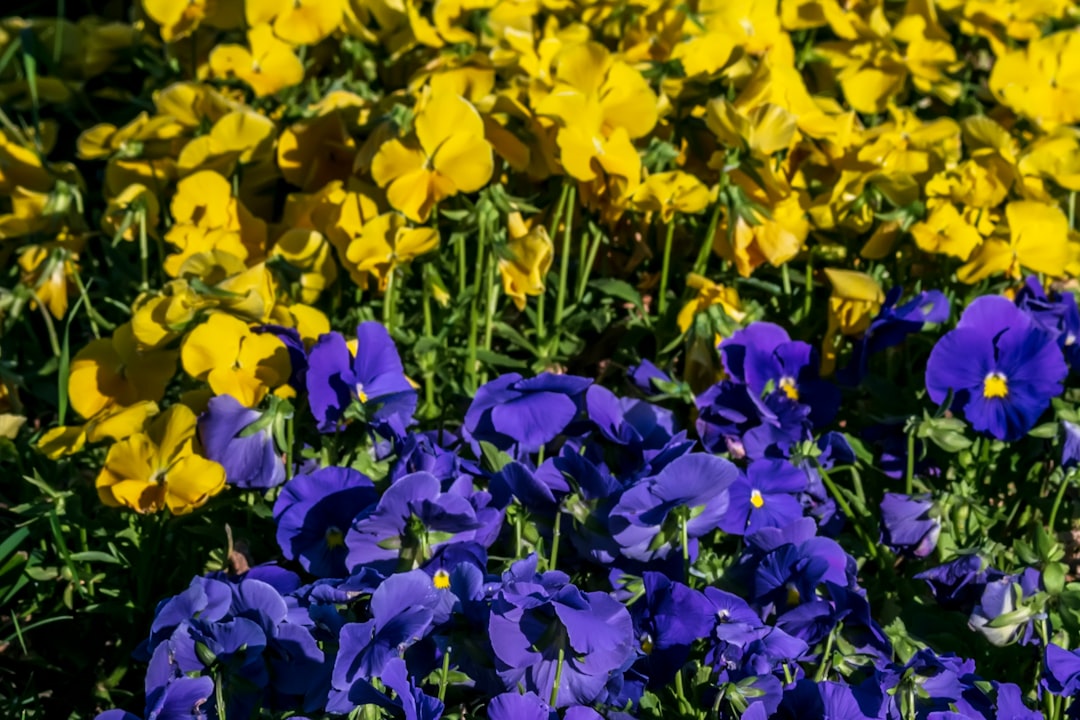
The Allure of Indoor Trees: Elevating Your Space
The Allure of Indoor Trees: Elevating Your Space
Reviving Your Peace Lily: Unveiling the Secrets Behind Brown-Tipped Leaves
Reviving Your Peace Lily: Unveiling the Secrets Behind Brown-Tipped Leaves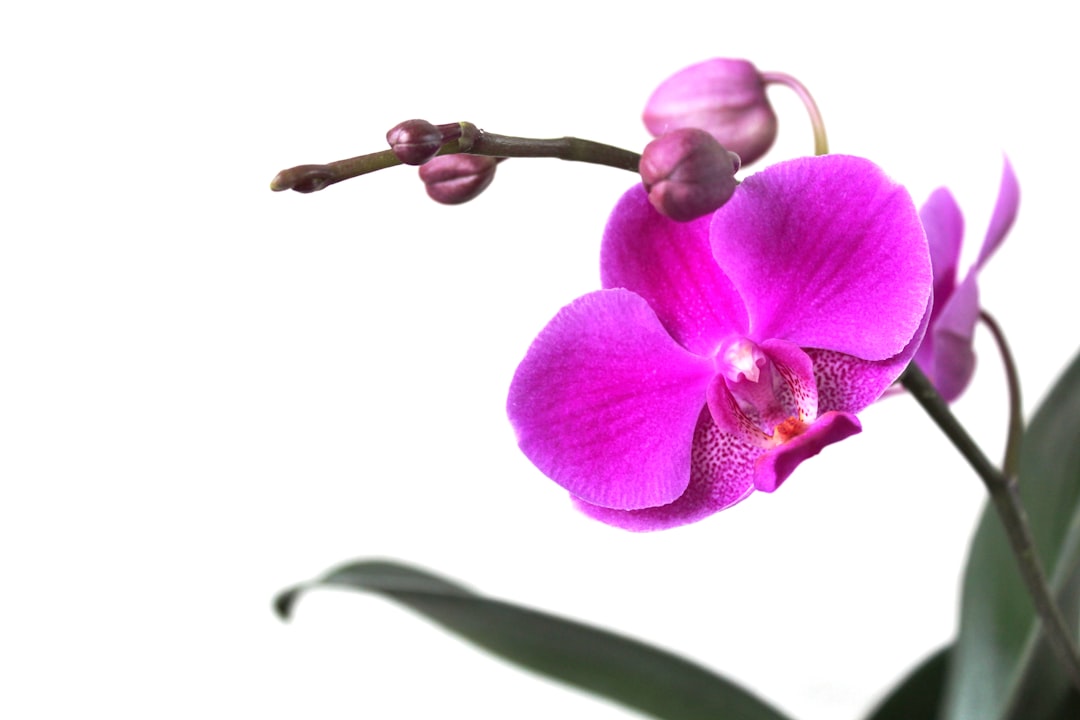
The Secret to Thriving Houseplant Multiplication
The Secret to Thriving Houseplant Multiplication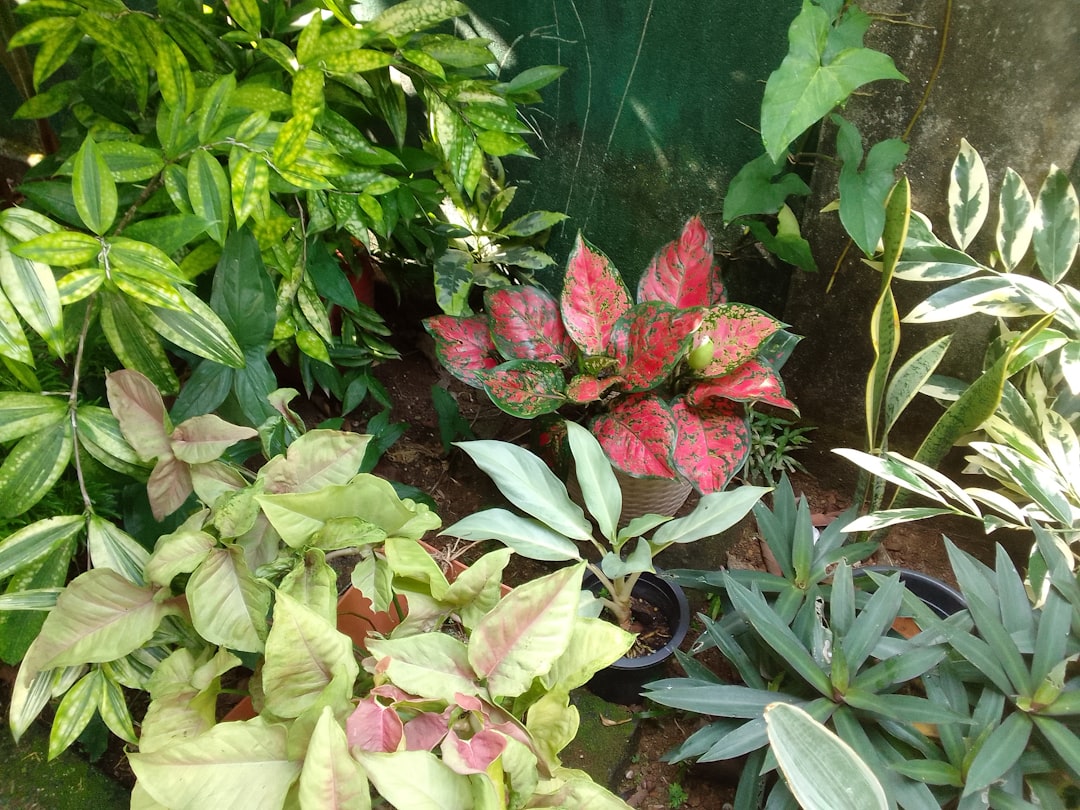
The Secret to a Thriving Indoor Plant Oasis
The Secret to a Thriving Indoor Plant Oasis


