
Bermudagrass, a remarkable turfgrass tailored for warm - climate regions, is a popular choice for homeowners seeking a resilient and lush lawn. Its ability to form a dense carpet - like surface that can withstand heavy foot traffic and intense heat makes it a standout option. But to truly enjoy the beauty and durability of a Bermudagrass lawn, proper care is essential. Let's delve into the key aspects of Bermudagrass lawn care.
Mowing
Mowing is one of the most frequent maintenance tasks for a Bermudagrass lawn. It's important to set the mower at the right height. For Bermudagrass, a mowing height between 0.5 to 2 inches is generally recommended. A lower mowing height can result in a more manicured look, but it may also stress the grass if done too short. Higher mowing heights provide more leaf surface area, which helps the grass photosynthesize more effectively and build up energy reserves. When mowing, make sure the mower blades are sharp. Dull blades can tear the grass instead of cutting it cleanly, leaving the grass vulnerable to diseases and pests. Also, avoid removing more than one - third of the grass blade length at a time. This practice, known as the one - third rule, helps maintain the health and vigor of the Bermudagrass.
Watering
Watering is crucial for the survival and growth of Bermudagrass. While it is drought - tolerant, it still requires regular watering, especially during dry spells. Deep and infrequent watering is the best approach. Instead of light, daily watering, water the lawn deeply once or twice a week. This encourages the roots to grow deeper into the soil, making the grass more resilient to drought conditions. Aim to provide about 1 to 1.5 inches of water per week, including rainfall. You can use a rain gauge to measure the amount of water your lawn is receiving. Watering in the early morning is ideal as it allows the grass to dry before nightfall, reducing the risk of fungal diseases.
Fertilizing
Fertilizing is another important aspect of Bermudagrass lawn care. Bermudagrass is a fast - growing grass that requires regular fertilization to maintain its color and density. A balanced fertilizer with a ratio such as 16 - 4 - 8 or 18 - 6 - 12 is suitable for Bermudagrass. Apply fertilizer according to the manufacturer's instructions, usually in the spring and summer months when the grass is actively growing. Over - fertilizing can lead to excessive growth, thatch buildup, and increased susceptibility to pests and diseases. On the other hand, under - fertilizing can result in a pale and thin lawn. It's also a good idea to conduct a soil test every few years to determine the specific nutrient needs of your lawn.
Thatch Management
Thatch is a layer of dead grass, roots, and other organic matter that accumulates between the soil surface and the living grass blades. A small amount of thatch can be beneficial as it helps insulate the soil and protect the roots. However, excessive thatch can prevent water, air, and nutrients from reaching the roots. For Bermudagrass, if the thatch layer is more than 0.5 inches thick, it's time to dethatch. You can use a dethatching rake or a power dethatcher. Dethatching is best done in the spring or early summer when the grass is actively growing and can recover quickly.
Pest and Disease Control
Bermudagrass can be affected by various pests and diseases. Common pests include armyworms, grubs, and chinch bugs. To control pests, you can use insecticides, but it's important to identify the pest correctly before applying any chemicals. For diseases such as brown patch or dollar spot, proper cultural practices like correct mowing, watering, and fertilizing can help prevent their occurrence. If a disease does occur, fungicides may be necessary, but again, follow the instructions carefully. Regularly inspect your lawn for signs of pests and diseases so that you can take action promptly.
Aeration
Over time, the soil in a Bermudagrass lawn can become compacted, which restricts the movement of air, water, and nutrients to the roots. Aeration is the process of creating small holes in the soil to relieve compaction. You can use a core aerator, which removes small plugs of soil from the lawn. Aeration is typically done in the spring or fall. It helps the roots grow deeper and improves the overall health of the Bermudagrass. After aeration, you can also overseed the lawn to fill in any thin or bare areas.
In conclusion, caring for a Bermudagrass lawn requires a combination of proper mowing, watering, fertilizing, thatch management, pest and disease control, and aeration. By following these guidelines, you can enjoy a beautiful, dense, and resilient Bermudagrass lawn that will be the envy of the neighborhood.
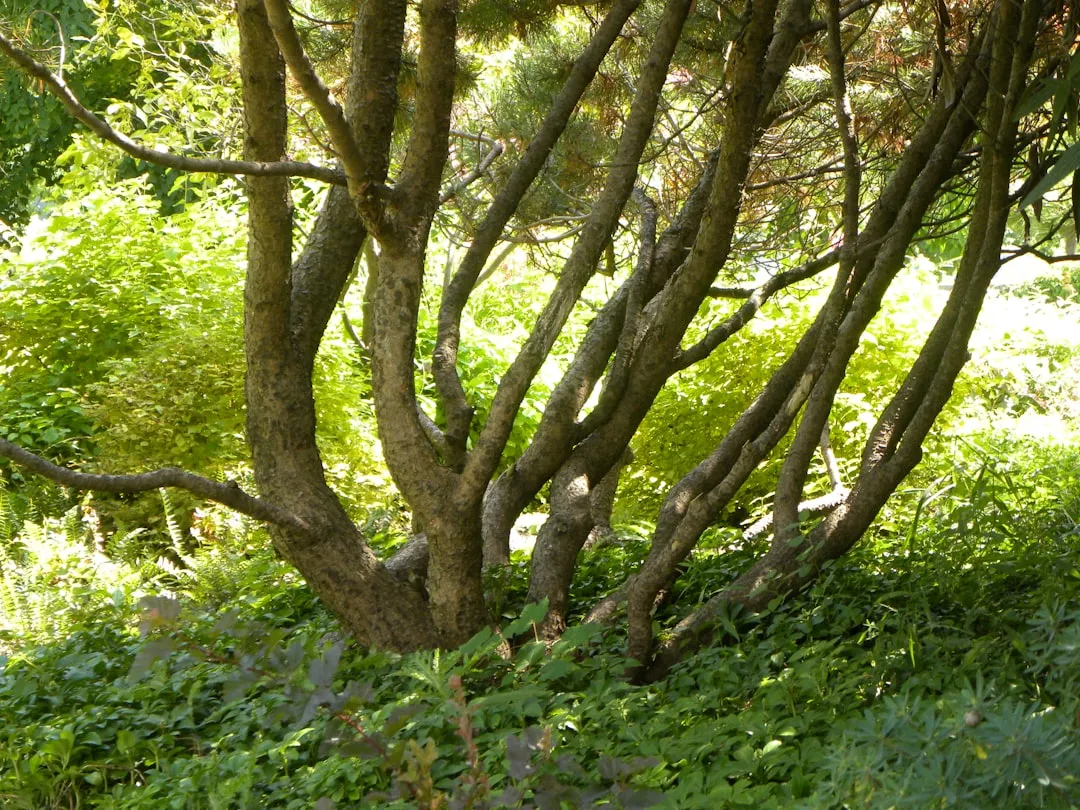
The Enchanting Allure of the Hawthorn Tree
The Enchanting Allure of the Hawthorn Tree
The Magic of Low - Maintenance Shade Trees in Your Landscape
The Magic of Low - Maintenance Shade Trees in Your Landscape
Blue Hydrangeas: A Splash of Color in Your Garden
Blue Hydrangeas: A Splash of Color in Your Garden
Unveiling the Mysteries of Lawn Mushroom Circles and Prevention Tips
Unveiling the Mysteries of Lawn Mushroom Circles and Prevention Tips
The Secret to a Thriving Yard: Fertilizer Mastery
The Secret to a Thriving Yard: Fertilizer Mastery
Pre - Winter Yard Preparation: A Smart Move
Pre - Winter Yard Preparation: A Smart Move
Gardening's Tiny Menace: Cucumber Beetles Unveiled
Gardening's Tiny Menace: Cucumber Beetles Unveiled
Reclaim Your Container Gardens from Ants
Reclaim Your Container Gardens from Ants
Nature's Defense: Keeping Fleas and Ticks at Bay with Garden Plants
Nature's Defense: Keeping Fleas and Ticks at Bay with Garden Plants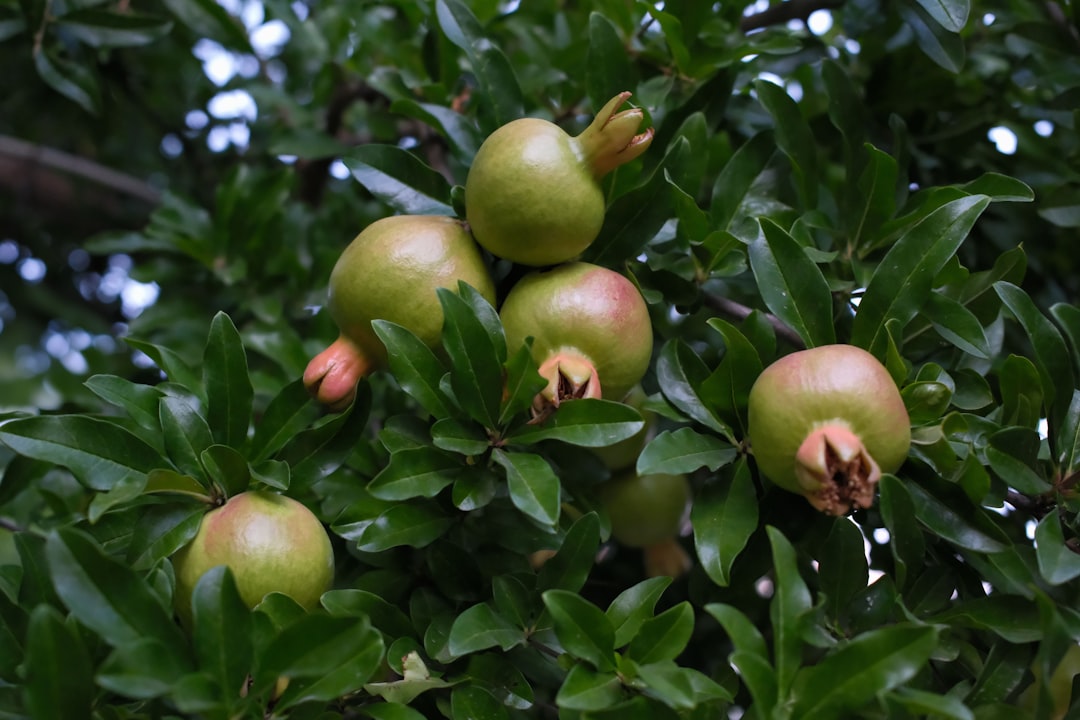
Battling the Tiny Invaders in Your Garden
Battling the Tiny Invaders in Your Garden
The Hidden Gems of Your Garden: Alpine Strawberries
The Hidden Gems of Your Garden: Alpine Strawberries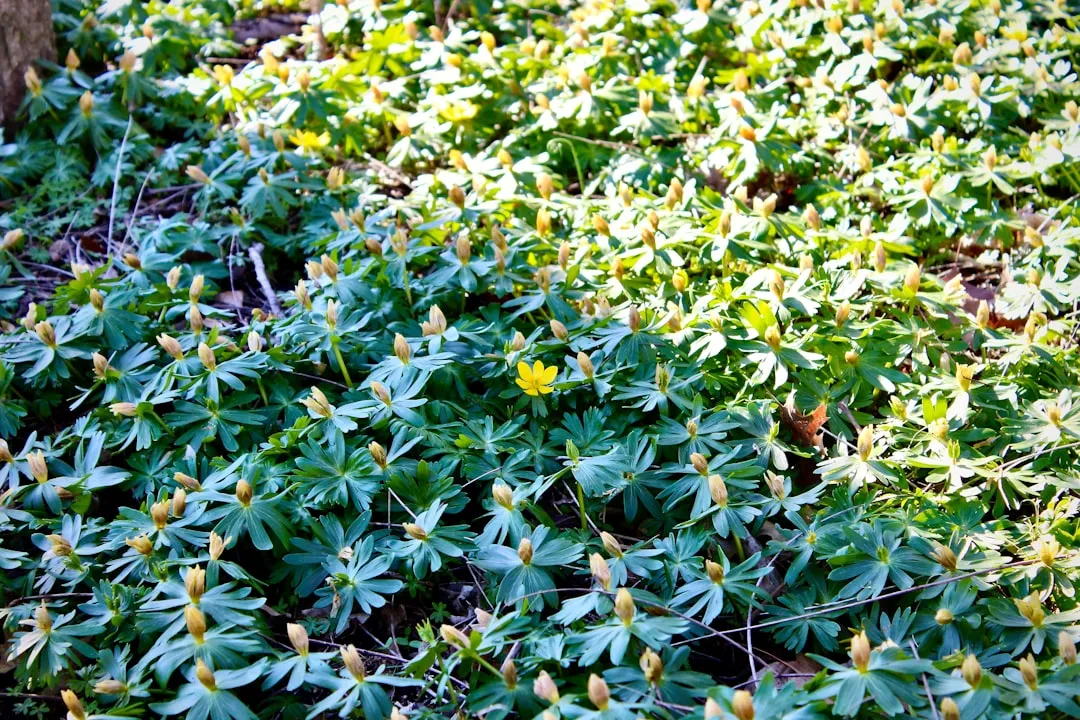
Unveiling the Secrets of Lavender Harvesting
Unveiling the Secrets of Lavender Harvesting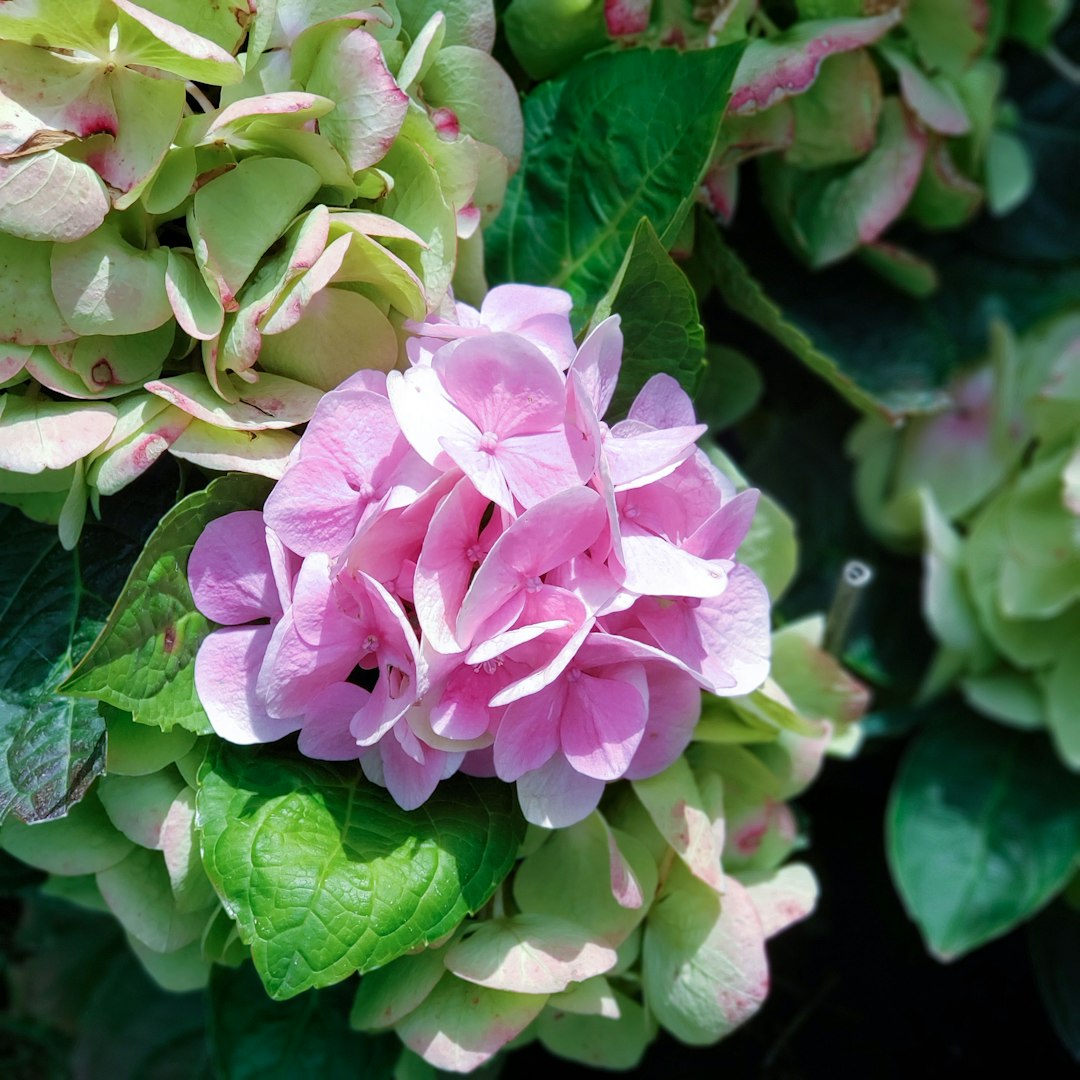
Unveiling the Secrets of Kale Harvesting
Unveiling the Secrets of Kale Harvesting
The Secret to Thriving Indoor Plants: Fertilization Guide
The Secret to Thriving Indoor Plants: Fertilization Guide
The Secret to Thriving Aloe Vera in Your Home
The Secret to Thriving Aloe Vera in Your Home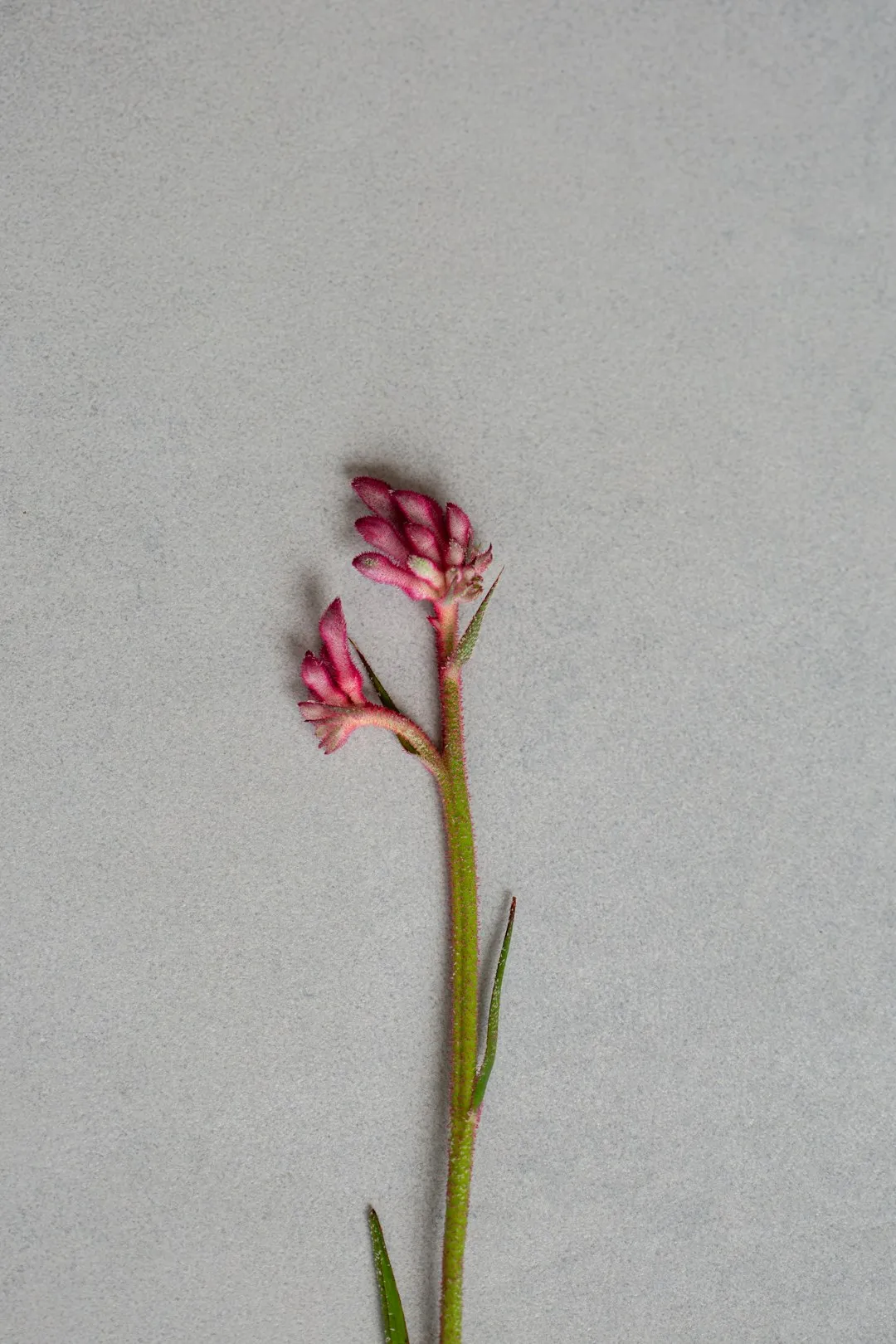
The Secret to Thriving Indoor Plants: Pot Selection
The Secret to Thriving Indoor Plants: Pot Selection
The Allure of Indoor Trees: Elevating Your Space
The Allure of Indoor Trees: Elevating Your Space
Reviving Your Peace Lily: Unveiling the Secrets Behind Brown-Tipped Leaves
Reviving Your Peace Lily: Unveiling the Secrets Behind Brown-Tipped Leaves
The Secret to Thriving Houseplant Multiplication
The Secret to Thriving Houseplant Multiplication
The Secret to a Thriving Indoor Plant Oasis
The Secret to a Thriving Indoor Plant Oasis


