In the world of gardening, there's a hidden potential in the simplest of elements. Fallen sticks and branches, often dismissed as mere yard waste, can be the key to creating unique and functional features in your garden. Instead of sending them off to the landfill, let's explore how you can repurpose these natural materials to enhance your outdoor space.
One of the most practical uses for fallen sticks and branches is in creating garden fences. These rustic fences not only add a charming aesthetic to your yard but also serve a functional purpose. They can be used to delineate different areas of your garden, such as separating flower beds from vegetable patches or creating a boundary around a play area. To build a simple stick fence, start by gathering an assortment of sticks of varying lengths and thicknesses. Dig small holes in the ground at regular intervals and insert the thicker sticks vertically to form the posts. Then, weave thinner sticks horizontally between the posts, securing them with twine or wire. This DIY project is not only cost - effective but also allows you to customize the design according to your garden's style.
Another creative idea is to build bee hotels using fallen branches. Bees are essential pollinators, and providing them with a suitable habitat can significantly benefit your garden. To make a bee hotel, select a thick branch and drill holes of different diameters into it. The holes should be about 3 - 6 inches deep. You can also bundle smaller branches together and place them in a wooden box. Hang the bee hotel in a sunny, sheltered spot in your garden, preferably near flowering plants. The bees will use the holes as nesting sites, helping to increase the pollination rate in your yard.
Fallen sticks can also be used to create trellises for climbing plants. Whether you have roses, cucumbers, or morning glories, a stick trellis provides support for the plants to grow vertically. To construct a trellis, lean two long sticks against each other to form an A - frame. Then, attach shorter sticks horizontally between the two main sticks at regular intervals. Secure the joints with nails or screws. Place the trellis near the climbing plants and gently guide the vines onto the structure as they grow.
In addition to these functional uses, fallen branches can be used for decorative purposes. You can create a unique centerpiece for your outdoor table by arranging a bundle of branches in a vase and adding some seasonal flowers or foliage. Or, use them to make a natural wind chime by tying small pieces of metal or shells to the branches. The gentle tinkling sound will add a peaceful ambiance to your garden.
When repurposing fallen sticks and branches, it's important to ensure that they are clean and free from pests or diseases. You can soak the sticks in a solution of water and mild soap, then rinse them thoroughly and let them dry in the sun. This will help to prevent any potential problems from spreading to your garden.
By repurposing fallen sticks and branches, you not only reduce waste but also add a personal touch to your garden. These simple ideas allow you to make the most of the natural resources available in your yard, creating a beautiful and sustainable outdoor space. So, the next time you see a pile of fallen branches, don't reach for the trash bag. Instead, let your creativity flow and turn them into something wonderful for your garden.
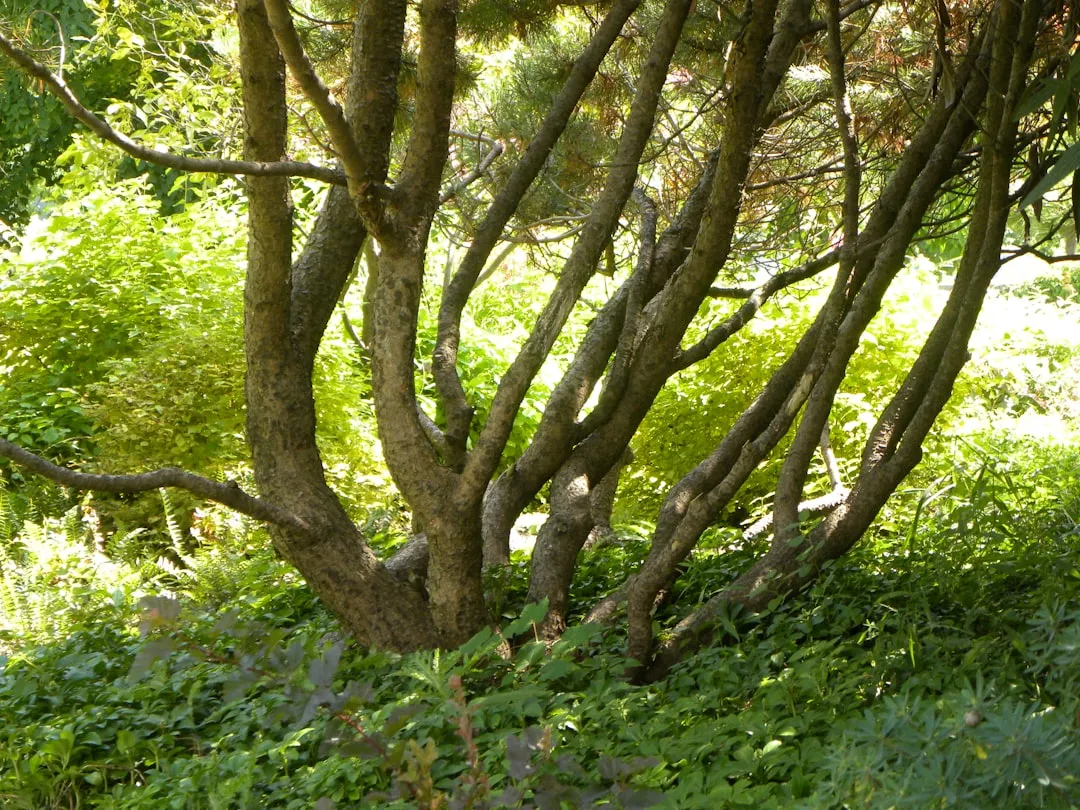
The Enchanting Allure of the Hawthorn Tree
The Enchanting Allure of the Hawthorn Tree
The Magic of Low - Maintenance Shade Trees in Your Landscape
The Magic of Low - Maintenance Shade Trees in Your Landscape
Blue Hydrangeas: A Splash of Color in Your Garden
Blue Hydrangeas: A Splash of Color in Your Garden
Unveiling the Mysteries of Lawn Mushroom Circles and Prevention Tips
Unveiling the Mysteries of Lawn Mushroom Circles and Prevention Tips
The Secret to a Thriving Yard: Fertilizer Mastery
The Secret to a Thriving Yard: Fertilizer Mastery
Pre - Winter Yard Preparation: A Smart Move
Pre - Winter Yard Preparation: A Smart Move
Gardening's Tiny Menace: Cucumber Beetles Unveiled
Gardening's Tiny Menace: Cucumber Beetles Unveiled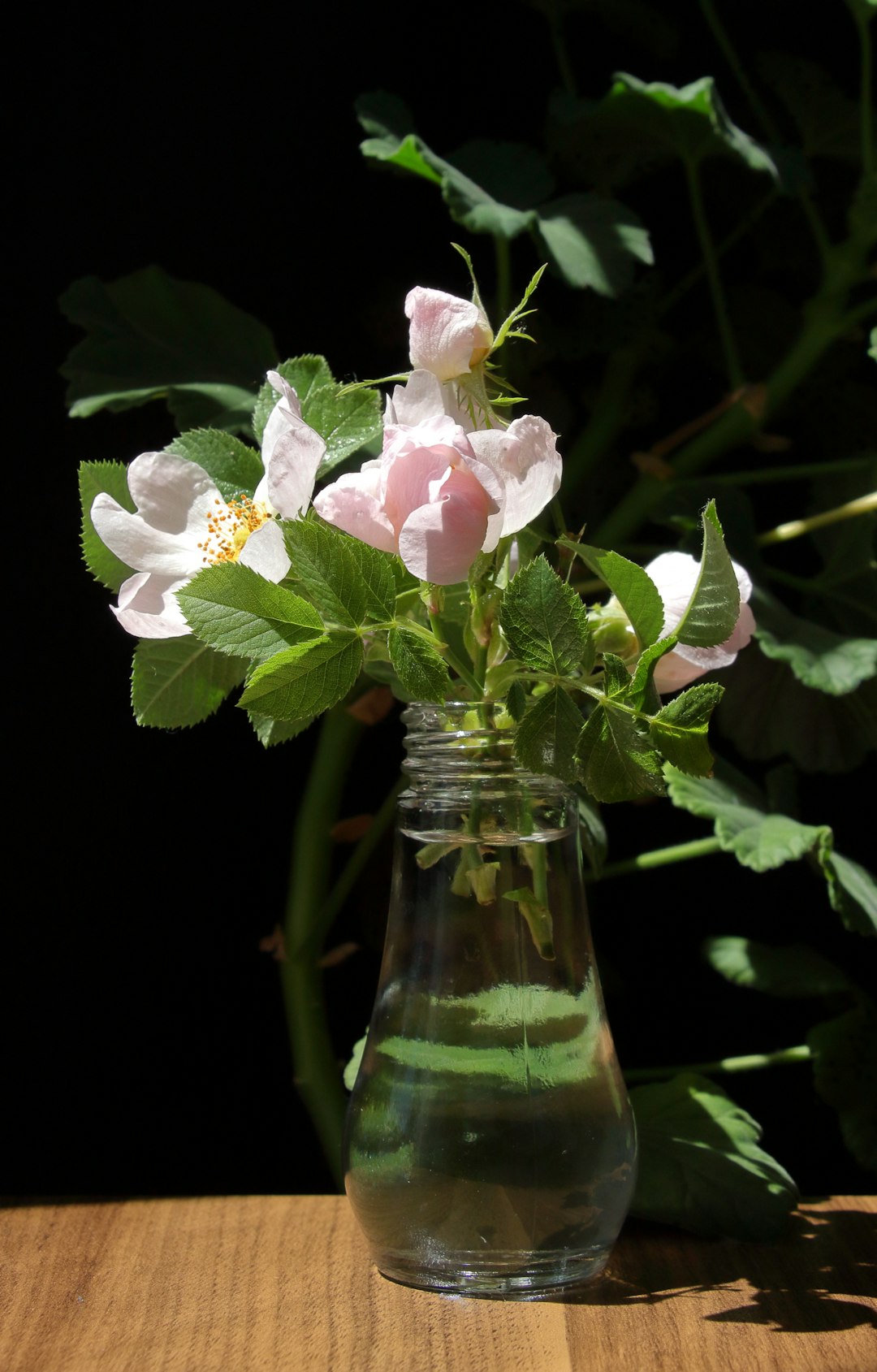
Reclaim Your Container Gardens from Ants
Reclaim Your Container Gardens from Ants
Nature's Defense: Keeping Fleas and Ticks at Bay with Garden Plants
Nature's Defense: Keeping Fleas and Ticks at Bay with Garden Plants
Battling the Tiny Invaders in Your Garden
Battling the Tiny Invaders in Your Garden
The Hidden Gems of Your Garden: Alpine Strawberries
The Hidden Gems of Your Garden: Alpine Strawberries
Unveiling the Secrets of Lavender Harvesting
Unveiling the Secrets of Lavender Harvesting
Unveiling the Secrets of Kale Harvesting
Unveiling the Secrets of Kale Harvesting
The Secret to Thriving Indoor Plants: Fertilization Guide
The Secret to Thriving Indoor Plants: Fertilization Guide
The Secret to Thriving Aloe Vera in Your Home
The Secret to Thriving Aloe Vera in Your Home
The Secret to Thriving Indoor Plants: Pot Selection
The Secret to Thriving Indoor Plants: Pot Selection
The Allure of Indoor Trees: Elevating Your Space
The Allure of Indoor Trees: Elevating Your Space
Reviving Your Peace Lily: Unveiling the Secrets Behind Brown-Tipped Leaves
Reviving Your Peace Lily: Unveiling the Secrets Behind Brown-Tipped Leaves
The Secret to Thriving Houseplant Multiplication
The Secret to Thriving Houseplant Multiplication
The Secret to a Thriving Indoor Plant Oasis
The Secret to a Thriving Indoor Plant Oasis


