Edible gardening is a rewarding endeavor, and among the many vegetables you can grow, peas hold a special place. Knowing how and when to harvest peas is crucial for a bountiful and delicious yield. Different types of peas have distinct harvesting requirements, and in this article, we'll explore the ins and outs of pea harvesting, ensuring you get the most out of your pea plants.
There are several types of peas commonly grown in edible gardens, including shelling peas, snap peas, and snow peas. Each type has its own unique characteristics and optimal harvesting times.
Shelling peas, also known as garden peas, are grown for their sweet and tender peas inside the pods. These peas are typically harvested when the pods are plump and the peas inside have reached their full size but are still tender. To determine if shelling peas are ready for harvest, gently squeeze a pod. If the peas inside feel firm and round, it's a good indication that they're ready to be picked.
The best time to harvest shelling peas is usually about 60 to 70 days after planting, depending on the variety. It's important to harvest them regularly, as leaving the pods on the plant for too long can cause the peas to become starchy and lose their sweetness. When harvesting shelling peas, hold the vine with one hand and gently pull the pod off with the other. Be careful not to damage the vine, as this can affect the plant's ability to produce more pods.
Snap peas are a popular choice for edible gardens because they can be eaten whole, pods and all. These peas are harvested when the pods are crisp and the peas inside are small and tender. Unlike shelling peas, snap peas are best harvested before the peas inside fully mature.
To check if snap peas are ready for harvest, look for pods that are bright green, plump, and about 2 to 3 inches long. You can also gently bend a pod; if it snaps easily, it's a sign that it's ready to be picked. Snap peas are usually ready to harvest about 55 to 65 days after planting. When harvesting snap peas, hold the vine firmly and snap the pods off at the stem. Avoid pulling on the pods, as this can damage the plant.
Snow peas are another type of pea that can be eaten whole. These peas are harvested when the pods are flat and the peas inside are very small. Snow peas are often used in stir-fries and other Asian dishes because of their delicate flavor and crunchy texture.
To determine if snow peas are ready for harvest, look for pods that are light green, flat, and about 2 to 3 inches long. The pods should be tender and easy to snap. Snow peas are typically ready to harvest about 50 to 60 days after planting. When harvesting snow peas, hold the vine with one hand and use the other hand to gently pull the pods off at the stem. Be careful not to damage the vine or the other pods.
Harvesting peas without damaging the plant is essential for ensuring a continuous supply of fresh peas throughout the growing season. Here are some tips to help you harvest peas safely and effectively:
In conclusion, harvesting peas is a simple but important part of edible gardening. By understanding the different types of peas and their optimal harvesting times, you can ensure a delicious and successful harvest. Remember to handle the plants gently, harvest regularly, and store the peas properly to enjoy the fruits of your labor for weeks to come.
The Enchanting Allure of the Hawthorn Tree
The Enchanting Allure of the Hawthorn Tree
The Magic of Low - Maintenance Shade Trees in Your Landscape
The Magic of Low - Maintenance Shade Trees in Your Landscape
Blue Hydrangeas: A Splash of Color in Your Garden
Blue Hydrangeas: A Splash of Color in Your Garden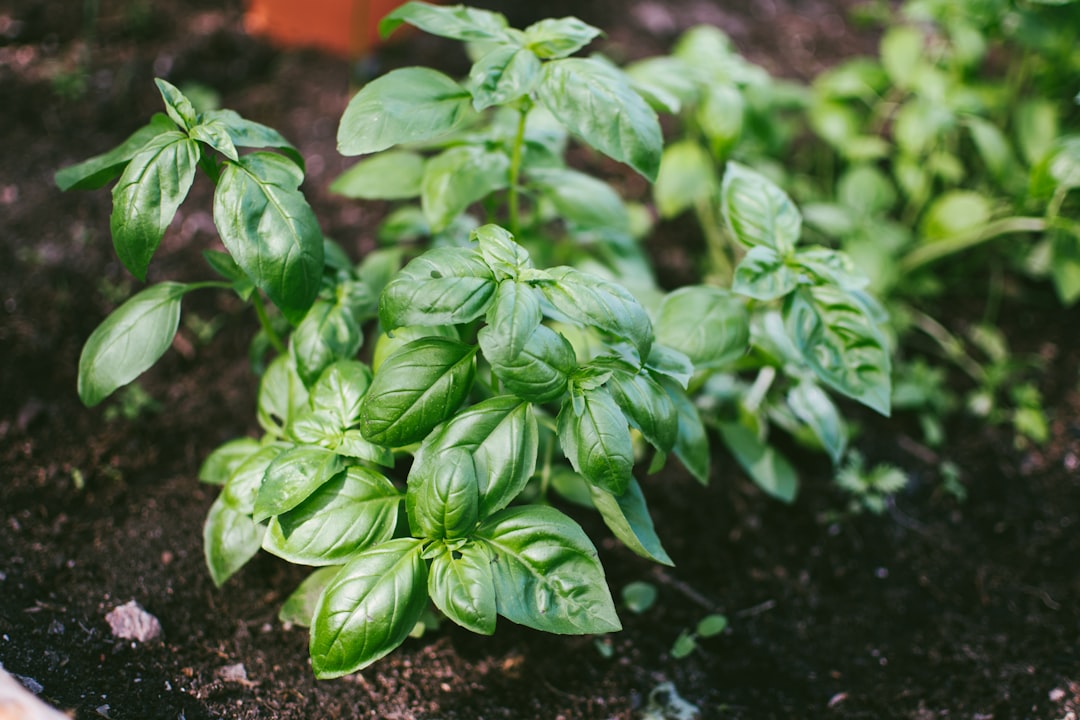
Unveiling the Mysteries of Lawn Mushroom Circles and Prevention Tips
Unveiling the Mysteries of Lawn Mushroom Circles and Prevention Tips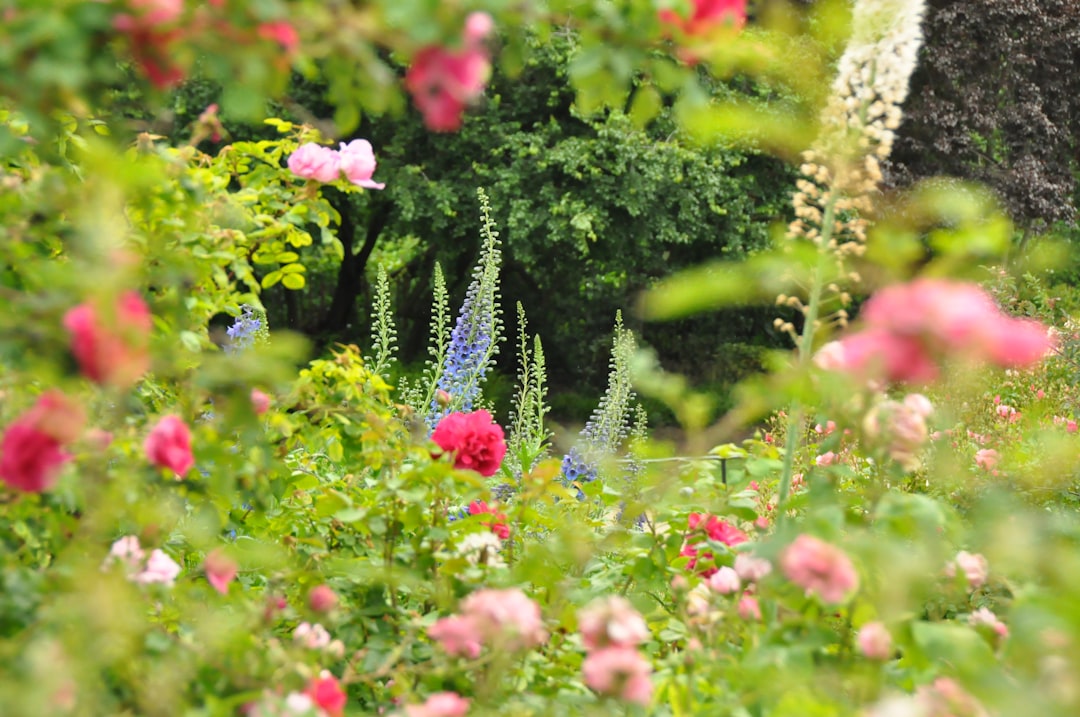
The Secret to a Thriving Yard: Fertilizer Mastery
The Secret to a Thriving Yard: Fertilizer Mastery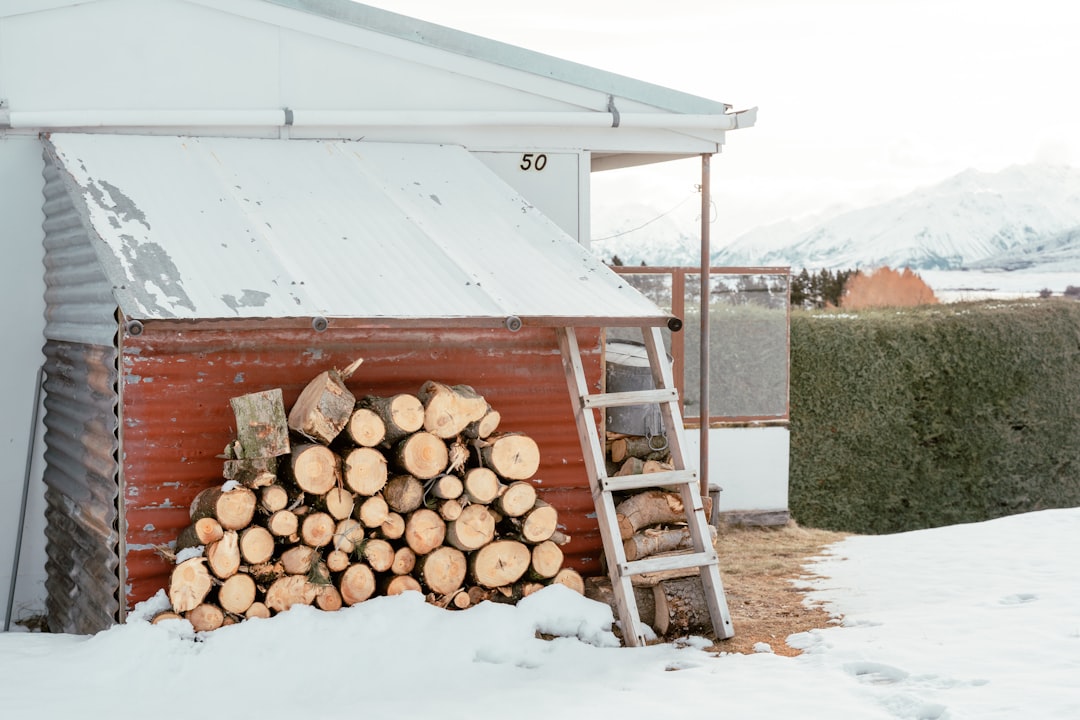
Pre - Winter Yard Preparation: A Smart Move
Pre - Winter Yard Preparation: A Smart Move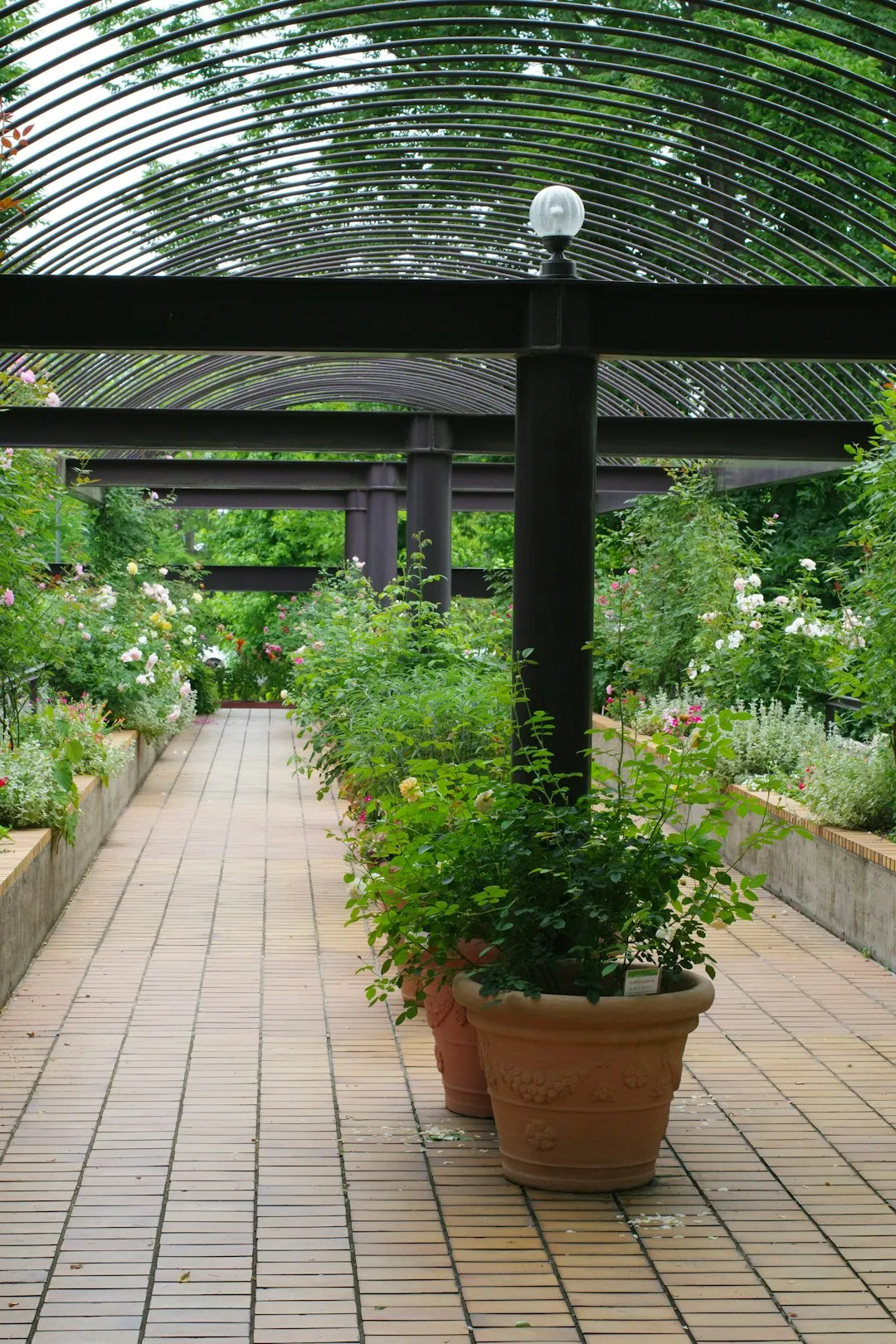
Gardening's Tiny Menace: Cucumber Beetles Unveiled
Gardening's Tiny Menace: Cucumber Beetles Unveiled
Reclaim Your Container Gardens from Ants
Reclaim Your Container Gardens from Ants
Nature's Defense: Keeping Fleas and Ticks at Bay with Garden Plants
Nature's Defense: Keeping Fleas and Ticks at Bay with Garden Plants
Battling the Tiny Invaders in Your Garden
Battling the Tiny Invaders in Your Garden
The Hidden Gems of Your Garden: Alpine Strawberries
The Hidden Gems of Your Garden: Alpine Strawberries
Unveiling the Secrets of Lavender Harvesting
Unveiling the Secrets of Lavender Harvesting
Unveiling the Secrets of Kale Harvesting
Unveiling the Secrets of Kale Harvesting
The Secret to Thriving Indoor Plants: Fertilization Guide
The Secret to Thriving Indoor Plants: Fertilization Guide
The Secret to Thriving Aloe Vera in Your Home
The Secret to Thriving Aloe Vera in Your Home
The Secret to Thriving Indoor Plants: Pot Selection
The Secret to Thriving Indoor Plants: Pot Selection
The Allure of Indoor Trees: Elevating Your Space
The Allure of Indoor Trees: Elevating Your Space
Reviving Your Peace Lily: Unveiling the Secrets Behind Brown-Tipped Leaves
Reviving Your Peace Lily: Unveiling the Secrets Behind Brown-Tipped Leaves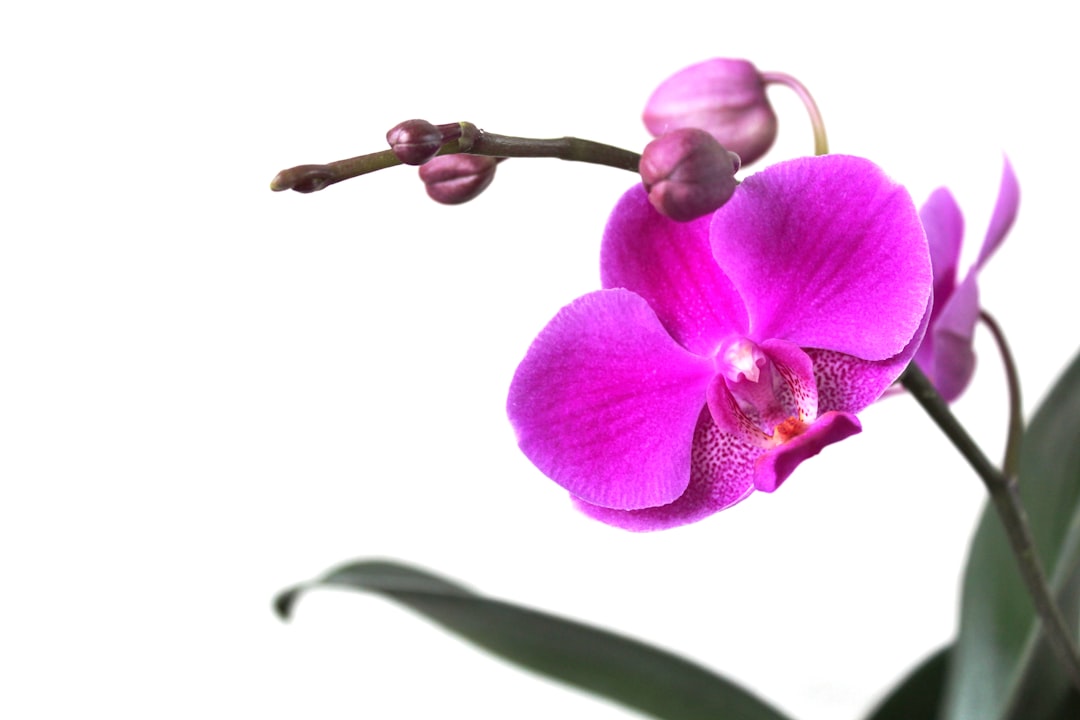
The Secret to Thriving Houseplant Multiplication
The Secret to Thriving Houseplant Multiplication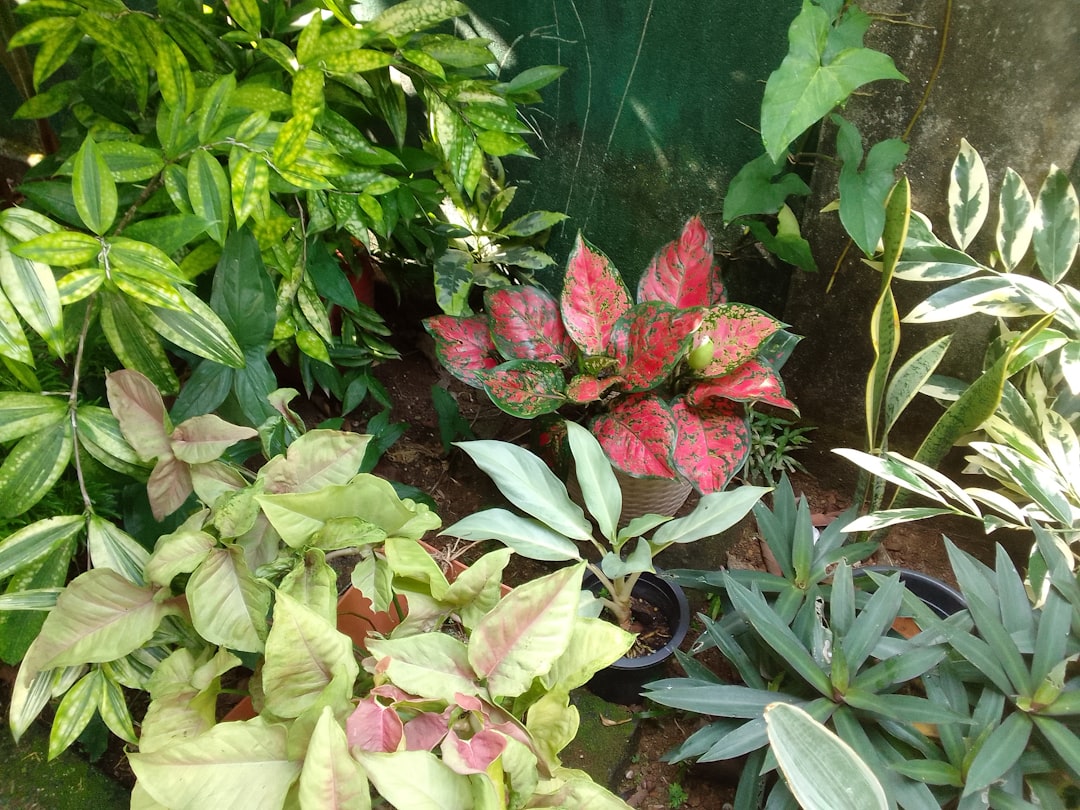
The Secret to a Thriving Indoor Plant Oasis
The Secret to a Thriving Indoor Plant Oasis


