Edible gardening is a rewarding and fulfilling activity, and growing pumpkins is a particularly exciting endeavor. These vibrant and versatile vegetables not only add a splash of color to your garden but also offer a delicious harvest for various culinary uses. In this guide, we will explore essential tips for growing pumpkins, from starting seeds indoors to harvesting them in the fall.
Choosing the Right Pumpkin Variety
Before you start planting, it's crucial to select the right pumpkin variety for your needs. There are numerous types of pumpkins available, each with its own unique characteristics. Some are ideal for carving, while others are better suited for cooking. If you're looking for a classic carving pumpkin, varieties like Jack - O - Lantern or Connecticut Field are popular choices. For cooking, Sugar Pie or Cinderella pumpkins are known for their sweet and flavorful flesh.
Starting Seeds Indoors
To get a head start on the growing season, you can start pumpkin seeds indoors. This is especially beneficial in regions with shorter growing seasons. Begin by filling small pots or seed trays with a high - quality seed - starting mix. Plant the pumpkin seeds about 1 inch deep and keep the soil moist. Place the pots in a warm area, ideally around 70 - 85°F (21 - 29°C). Pumpkin seeds usually germinate within 5 - 10 days. Once the seedlings have developed their first true leaves, you can transplant them outdoors.
Preparing the Outdoor Site
Pumpkins thrive in full sun, so choose a location in your garden that receives at least 6 - 8 hours of direct sunlight per day. The soil should be well - drained, rich in organic matter, and have a pH between 6.0 and 6.8. Before planting, amend the soil with compost or well - rotted manure to improve its fertility and structure. Create mounds or raised beds to help with drainage, as pumpkins do not like wet feet.
Planting and Spacing
When the danger of frost has passed and the soil has warmed up, it's time to transplant your pumpkin seedlings outdoors. Space the plants about 4 - 6 feet apart, depending on the variety. This allows enough room for the vines to spread and grow. Dig a hole slightly larger than the root ball of the seedling, place the plant in the hole, and gently backfill with soil. Water the plants thoroughly after planting to help them settle in.
Watering and Fertilizing
Pumpkins require consistent watering, especially during hot and dry periods. Aim to keep the soil evenly moist but not waterlogged. A deep watering once or twice a week is usually sufficient, but you may need to adjust based on the weather conditions. When it comes to fertilizing, pumpkins are heavy feeders. Apply a balanced fertilizer, such as a 10 - 10 - 10, at the time of planting. As the plants grow, you can side - dress with additional fertilizer every few weeks to support their growth and fruit development.
Pruning and Training Vines
To manage the growth of your pumpkin vines and encourage better air circulation, you can prune them. Remove any dead or diseased leaves and branches regularly. You can also train the vines to grow in a specific direction by gently guiding them. This helps prevent overcrowding and reduces the risk of pests and diseases.
Pest and Disease Management
Pumpkins are susceptible to various pests and diseases, such as aphids, squash bugs, and powdery mildew. To prevent pest infestations, keep your garden clean and free of debris. You can also use natural pest control methods, such as introducing beneficial insects like ladybugs or using insecticidal soaps. For diseases, proper spacing and good air circulation are key. If powdery mildew appears, you can treat it with a fungicide or a homemade solution of baking soda and water.
Harvesting Pumpkins
As fall approaches, it's time to start thinking about harvesting your pumpkins. The ideal time to harvest depends on the variety and your intended use. For carving pumpkins, you can wait until the skin has hardened and turned a deep, uniform color. To check if a pumpkin is ready, press your fingernail against the skin. If it doesn't dent easily, it's ready to be harvested. Use a sharp knife or pruning shears to cut the pumpkin from the vine, leaving a few inches of stem attached. This helps the pumpkin last longer in storage.
Storing Pumpkins
After harvesting, cure your pumpkins in a warm, dry place for about 10 days. This helps harden the skin and extend their shelf life. Once cured, store the pumpkins in a cool, dry location with good ventilation. They can last for several months if stored properly.
In conclusion, growing pumpkins is a fun and rewarding experience. By following these essential tips, you can enjoy a bountiful harvest of delicious and beautiful pumpkins. Whether you're using them for carving, cooking, or decoration, pumpkins are a wonderful addition to any edible garden.
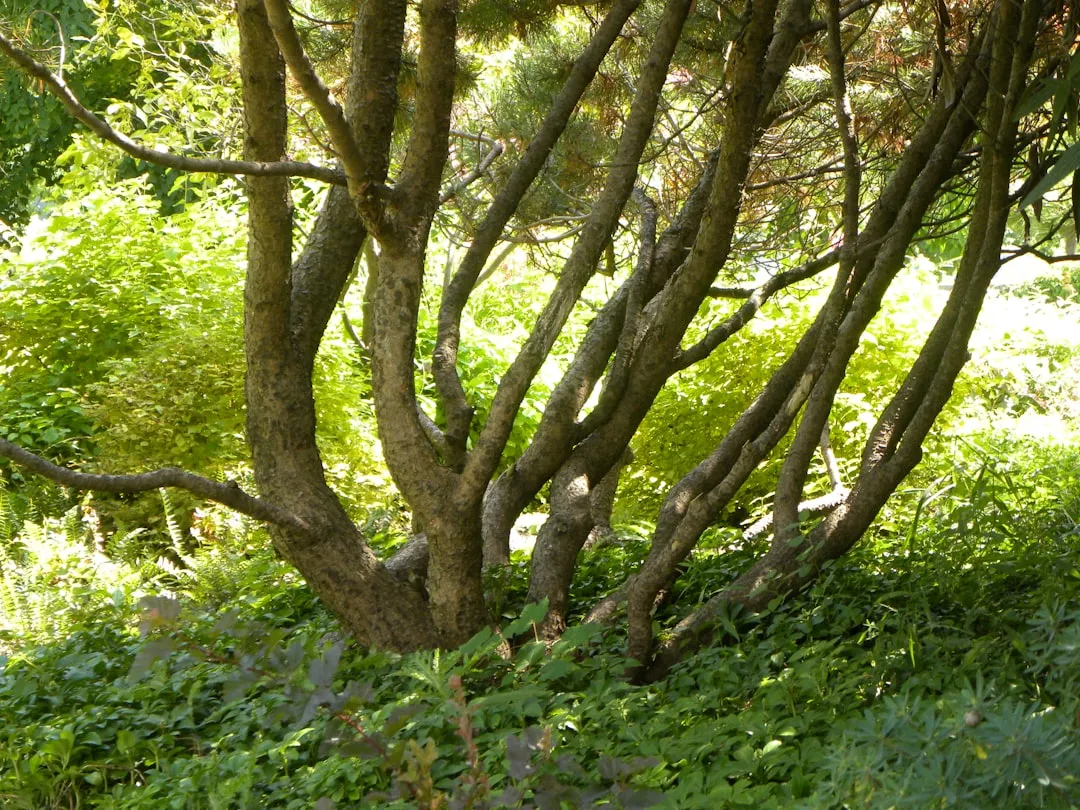
The Enchanting Allure of the Hawthorn Tree
The Enchanting Allure of the Hawthorn Tree
The Magic of Low - Maintenance Shade Trees in Your Landscape
The Magic of Low - Maintenance Shade Trees in Your Landscape
Blue Hydrangeas: A Splash of Color in Your Garden
Blue Hydrangeas: A Splash of Color in Your Garden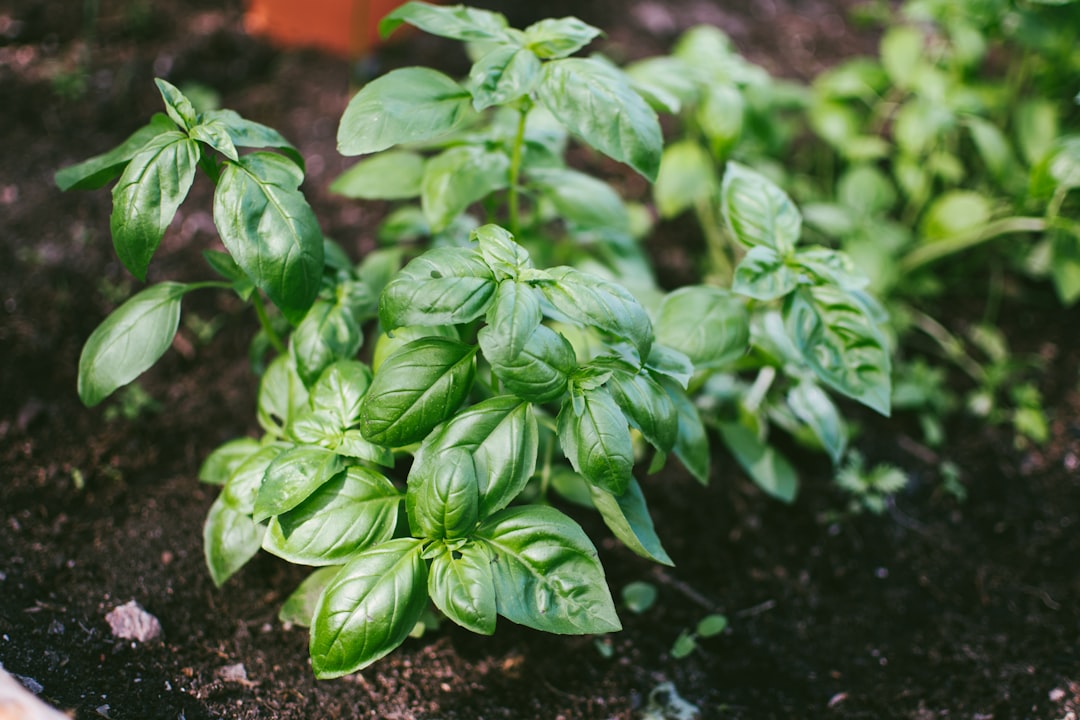
Unveiling the Mysteries of Lawn Mushroom Circles and Prevention Tips
Unveiling the Mysteries of Lawn Mushroom Circles and Prevention Tips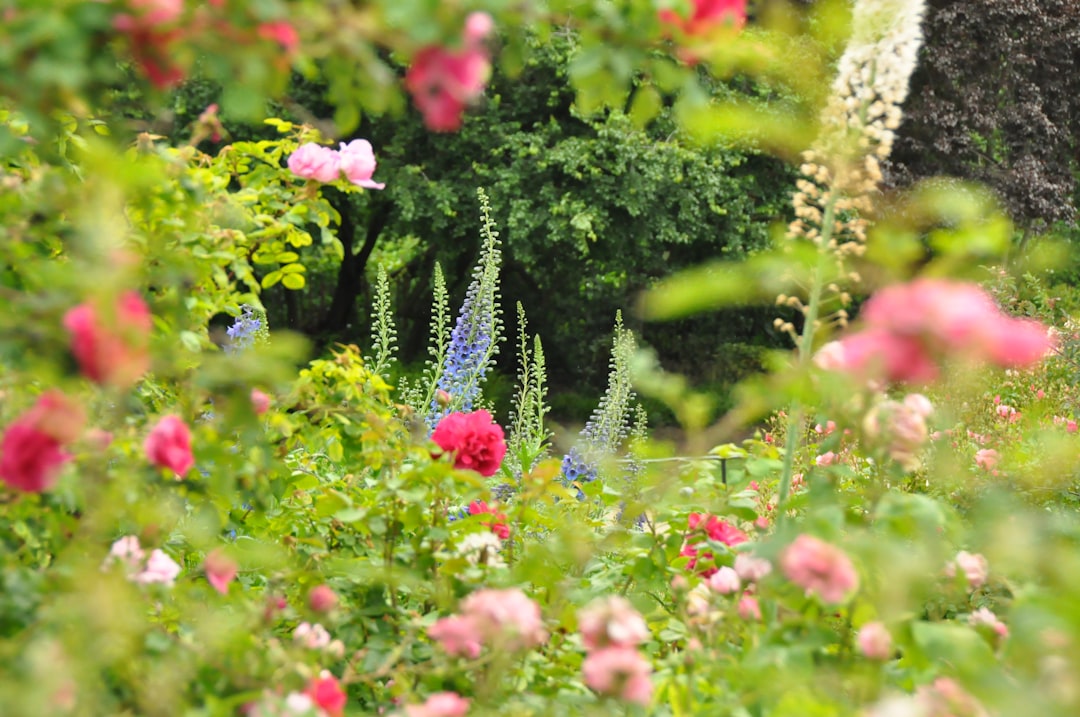
The Secret to a Thriving Yard: Fertilizer Mastery
The Secret to a Thriving Yard: Fertilizer Mastery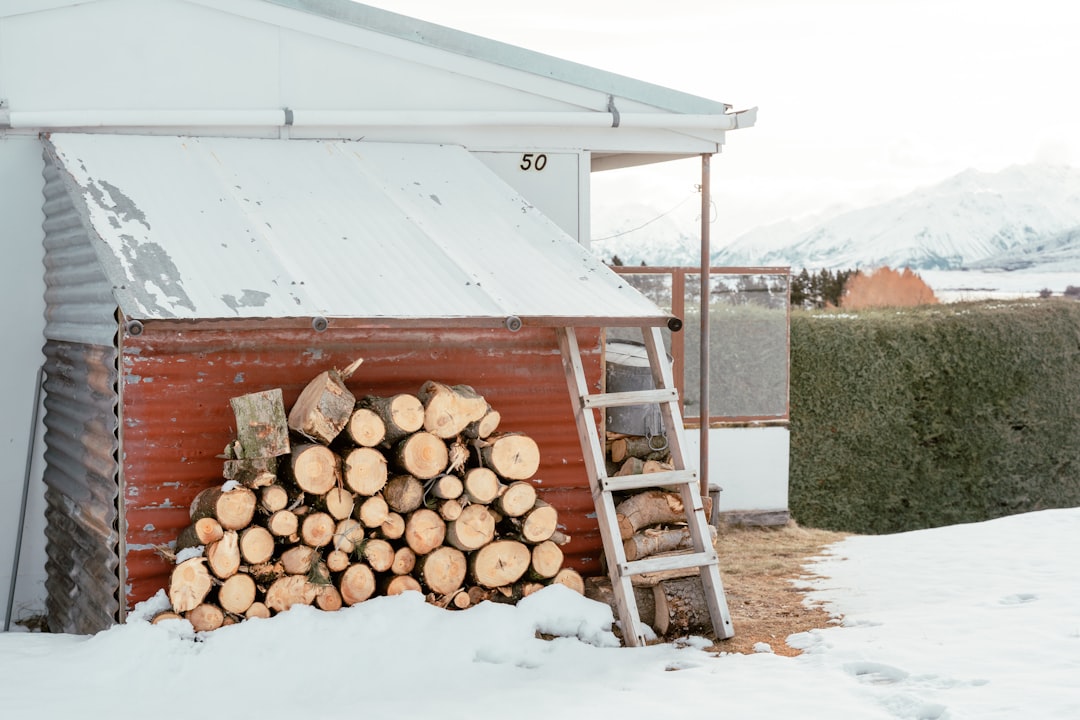
Pre - Winter Yard Preparation: A Smart Move
Pre - Winter Yard Preparation: A Smart Move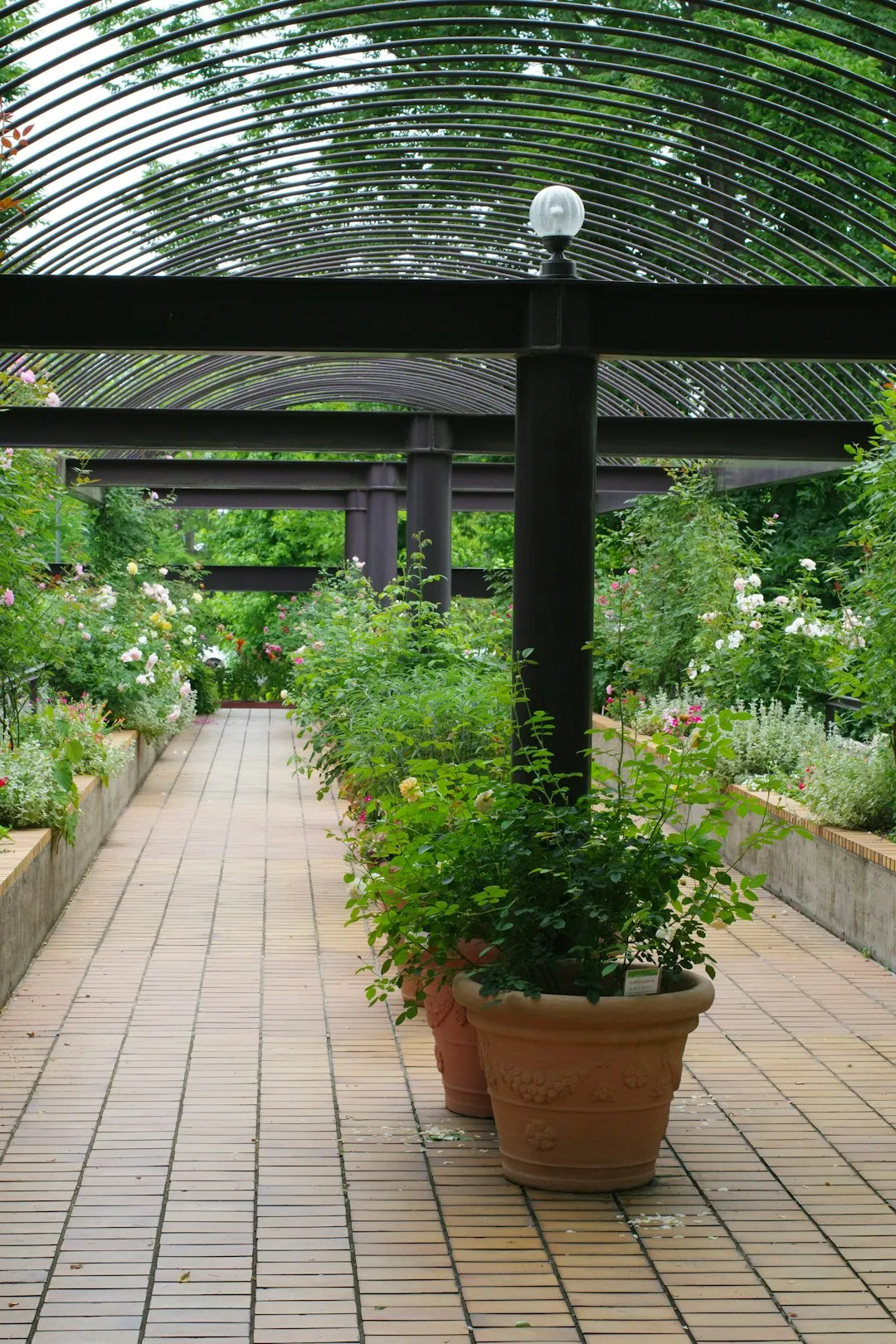
Gardening's Tiny Menace: Cucumber Beetles Unveiled
Gardening's Tiny Menace: Cucumber Beetles Unveiled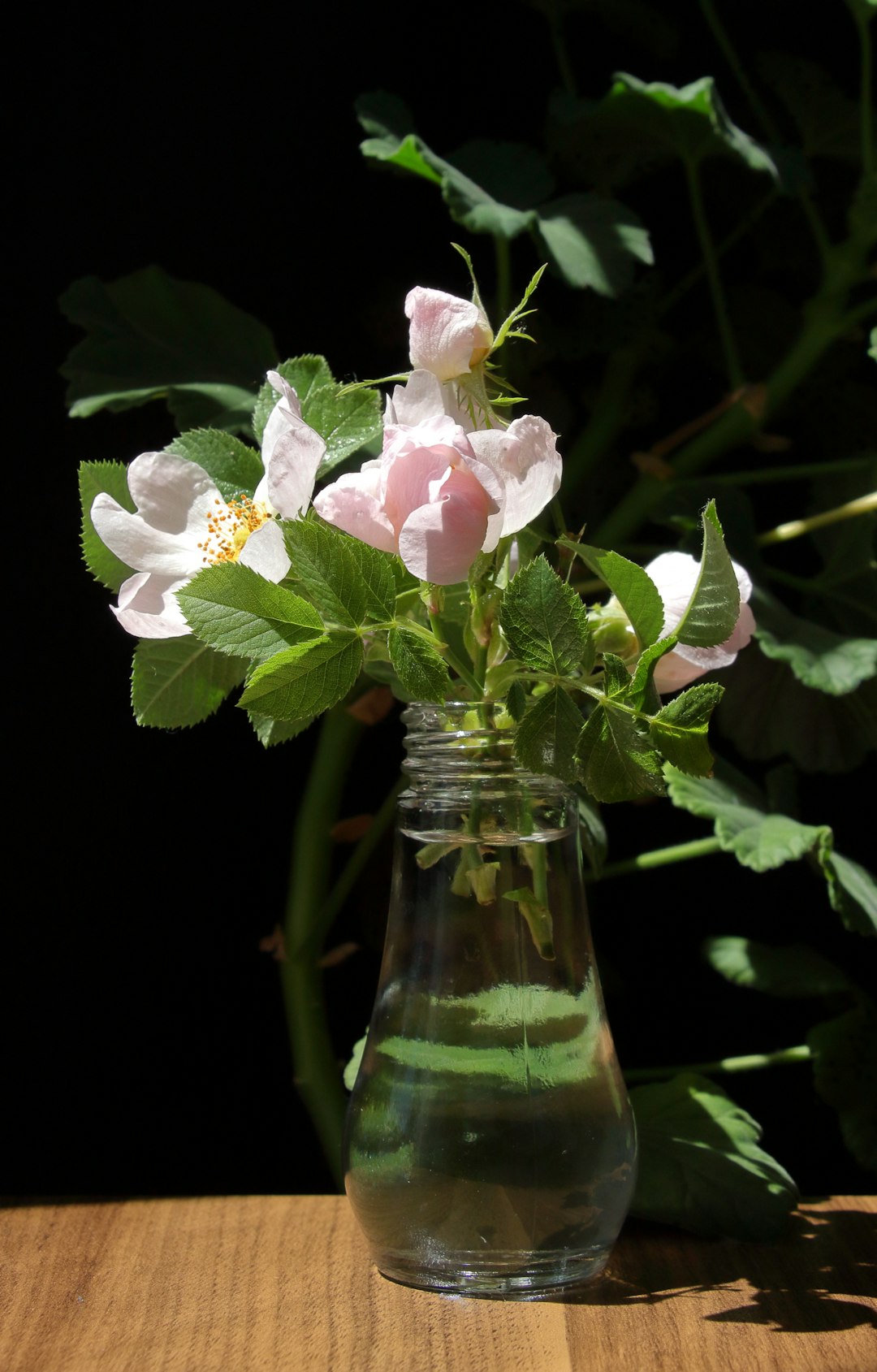
Reclaim Your Container Gardens from Ants
Reclaim Your Container Gardens from Ants
Nature's Defense: Keeping Fleas and Ticks at Bay with Garden Plants
Nature's Defense: Keeping Fleas and Ticks at Bay with Garden Plants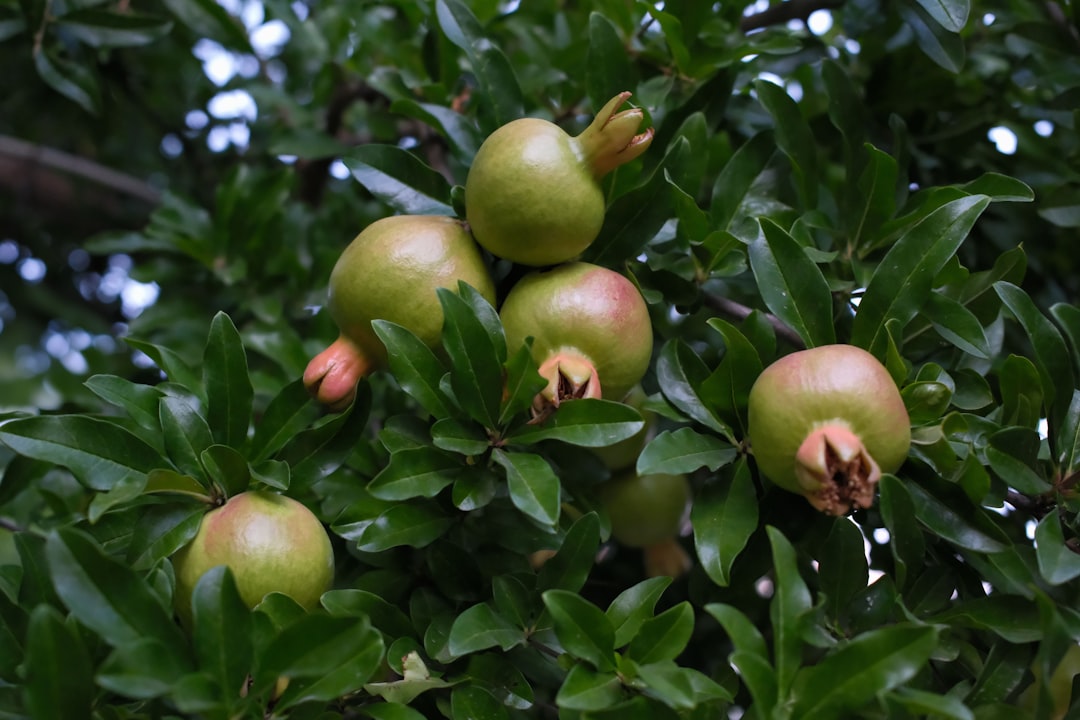
Battling the Tiny Invaders in Your Garden
Battling the Tiny Invaders in Your Garden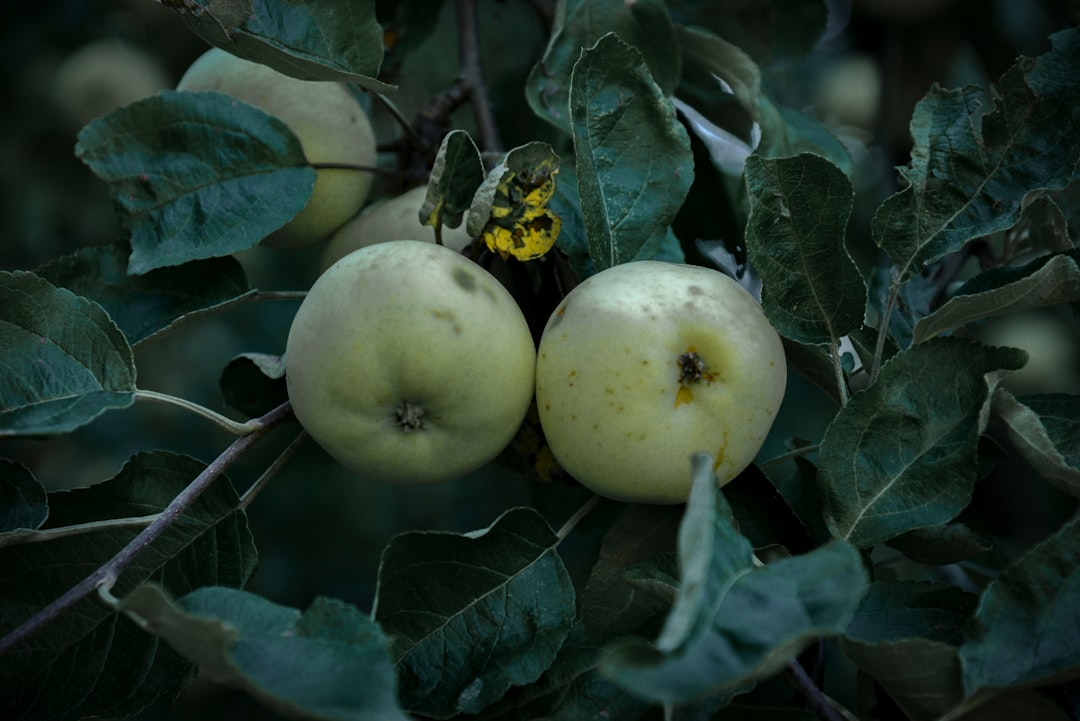
The Hidden Gems of Your Garden: Alpine Strawberries
The Hidden Gems of Your Garden: Alpine Strawberries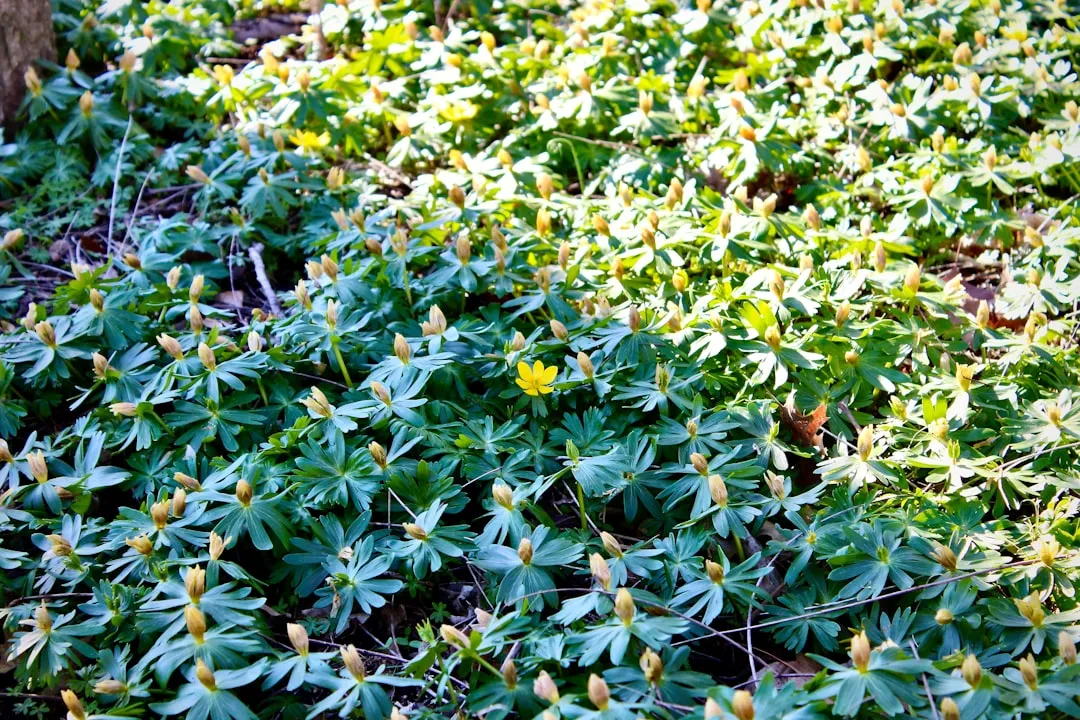
Unveiling the Secrets of Lavender Harvesting
Unveiling the Secrets of Lavender Harvesting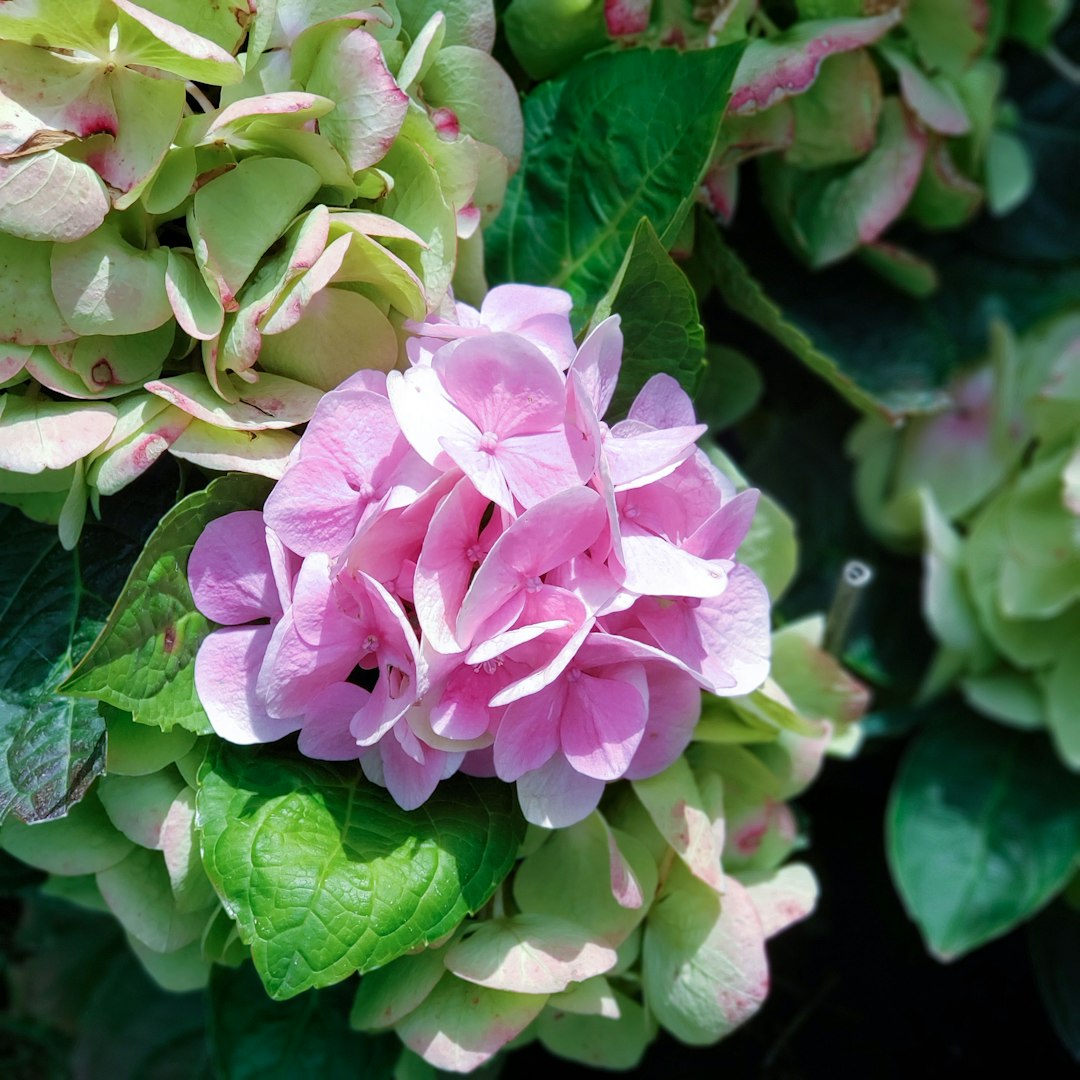
Unveiling the Secrets of Kale Harvesting
Unveiling the Secrets of Kale Harvesting
The Secret to Thriving Indoor Plants: Fertilization Guide
The Secret to Thriving Indoor Plants: Fertilization Guide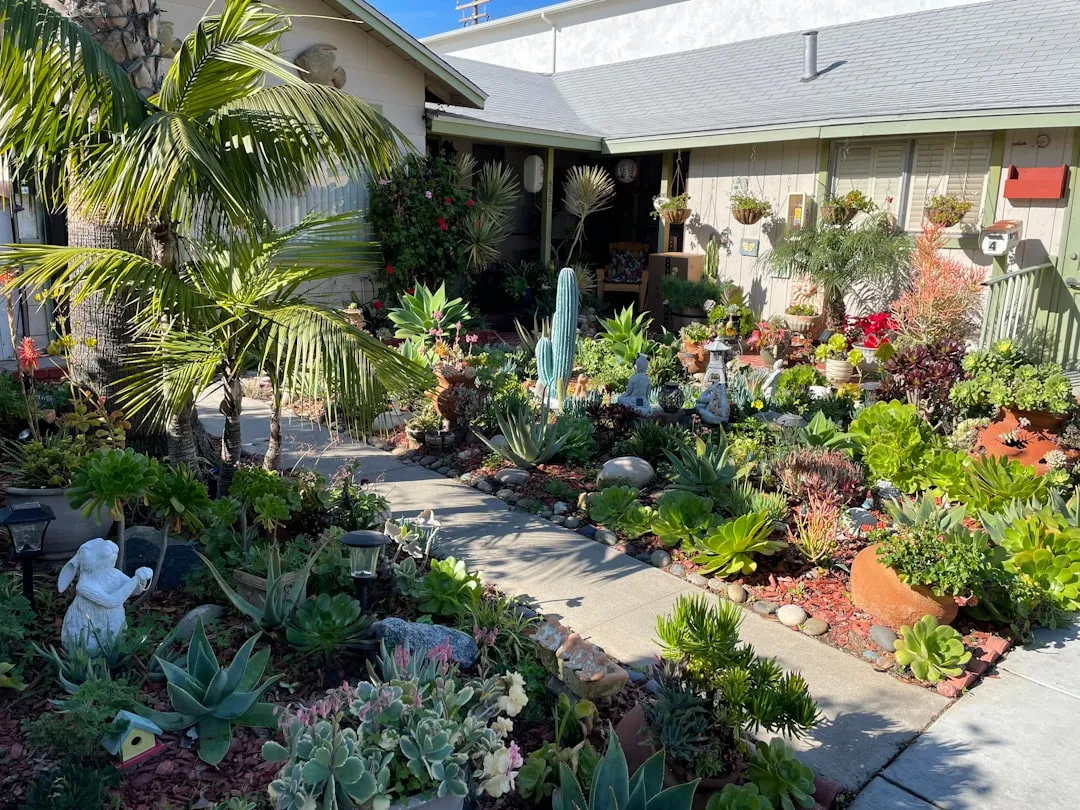
The Secret to Thriving Aloe Vera in Your Home
The Secret to Thriving Aloe Vera in Your Home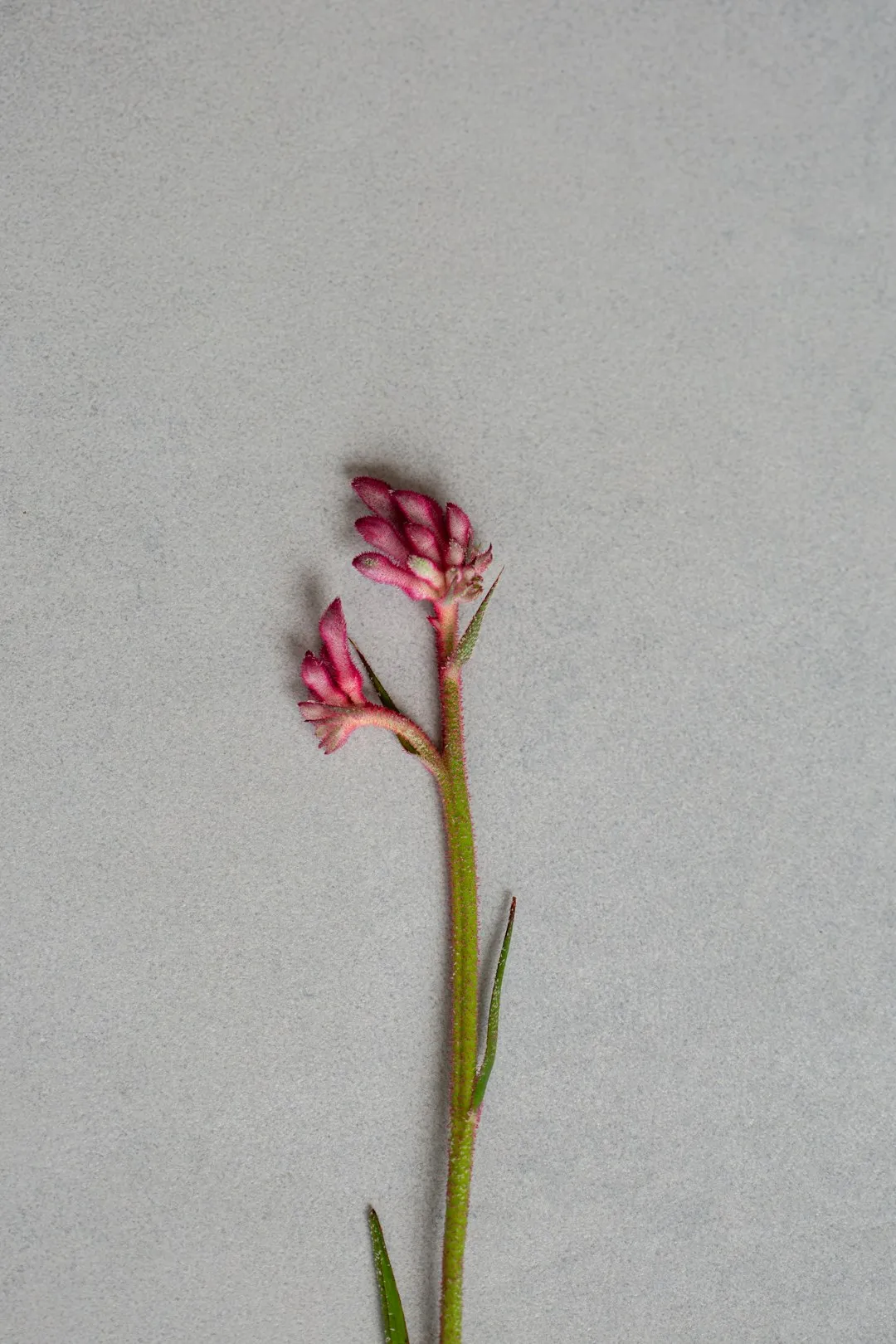
The Secret to Thriving Indoor Plants: Pot Selection
The Secret to Thriving Indoor Plants: Pot Selection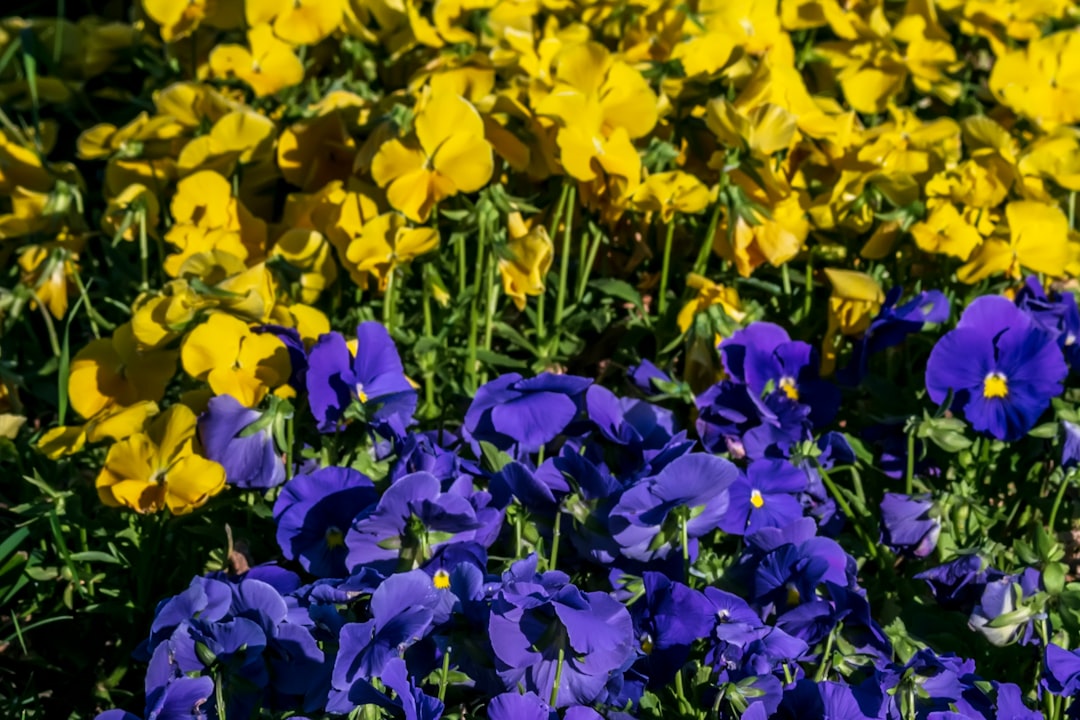
The Allure of Indoor Trees: Elevating Your Space
The Allure of Indoor Trees: Elevating Your Space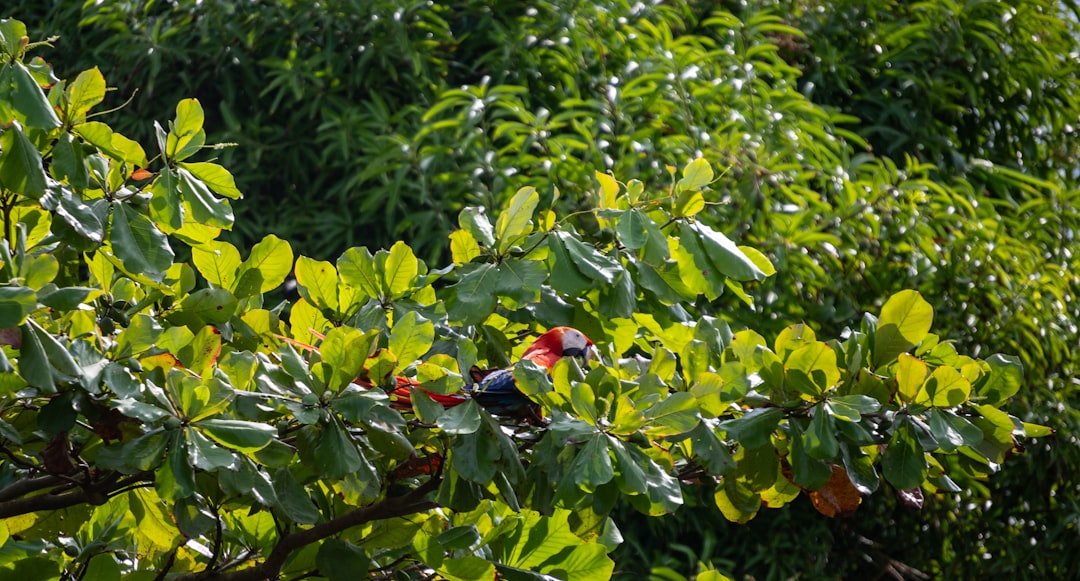
Reviving Your Peace Lily: Unveiling the Secrets Behind Brown-Tipped Leaves
Reviving Your Peace Lily: Unveiling the Secrets Behind Brown-Tipped Leaves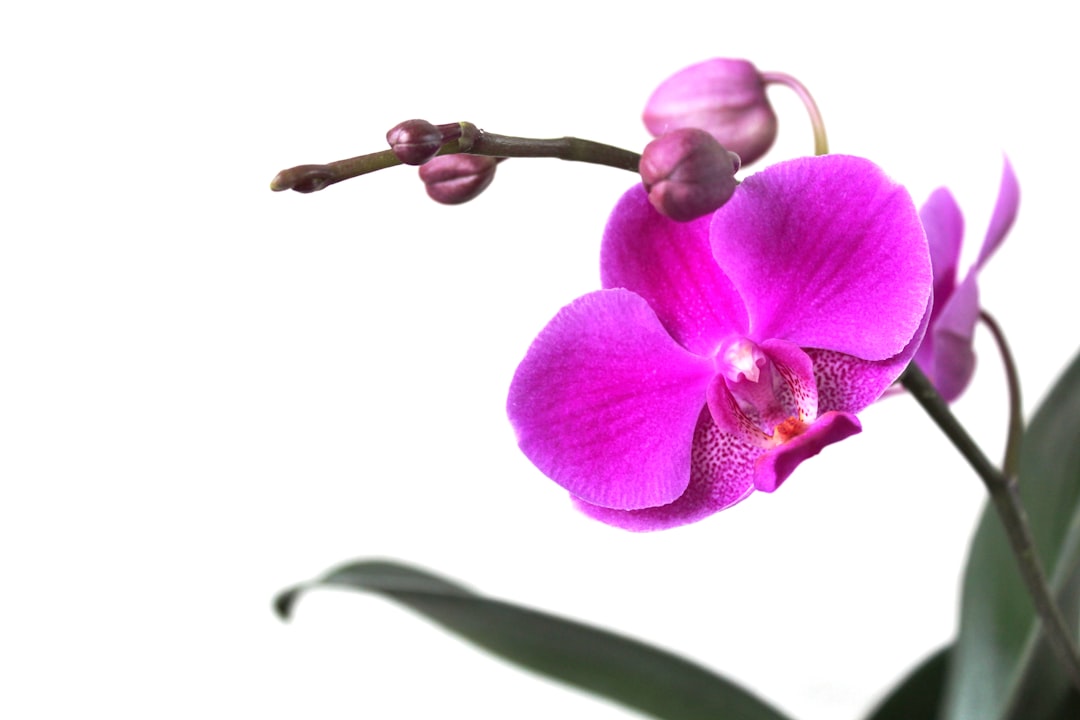
The Secret to Thriving Houseplant Multiplication
The Secret to Thriving Houseplant Multiplication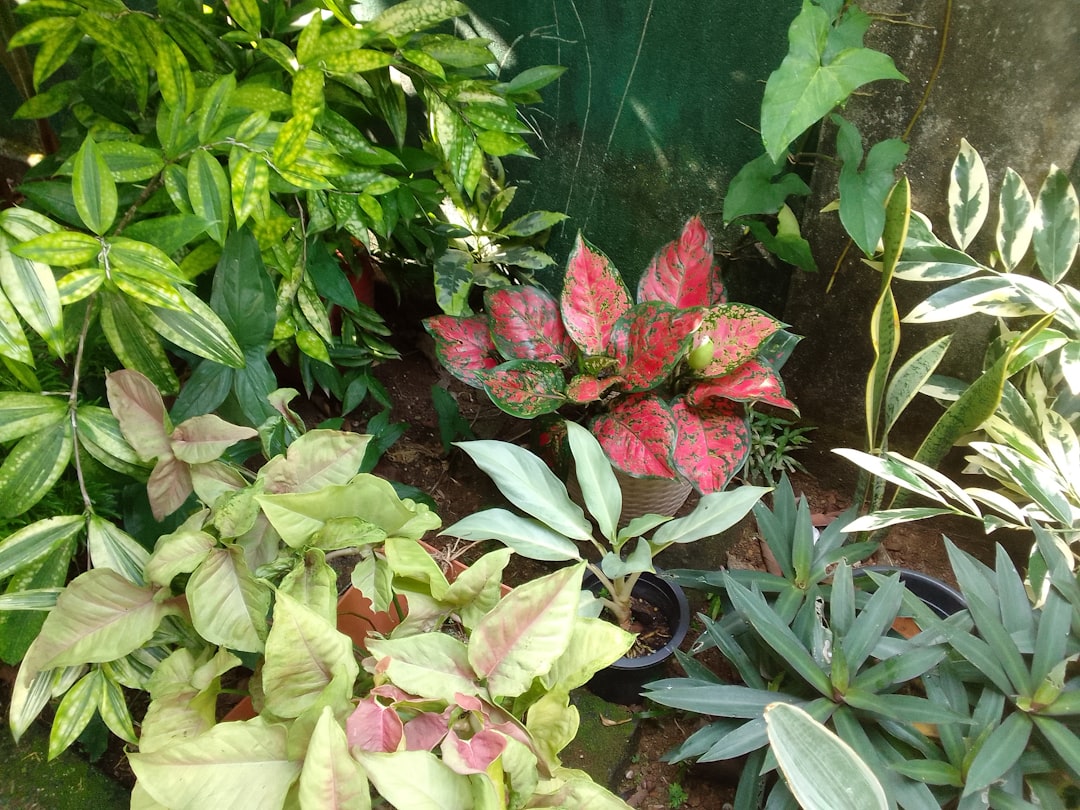
The Secret to a Thriving Indoor Plant Oasis
The Secret to a Thriving Indoor Plant Oasis


