
Houseplants have a unique way of bringing life and color into our living spaces. Among the many beautiful houseplants, the poinsettia stands out, especially during the holiday season. With its vibrant red bracts, it has become a symbol of celebration and cheer. However, many people struggle to keep their poinsettias looking their best for more than just a few weeks. But with the right care, you can keep your poinsettia's bright bracts looking beautiful well into the new year.
First and foremost, understanding the natural habitat of the poinsettia is crucial. Poinsettias are native to Mexico, where they thrive in warm, sunny conditions. When you bring a poinsettia into your home, you need to try to replicate those conditions as closely as possible. Temperature plays a vital role in the health of your poinsettia. It prefers a temperature range between 65 - 70 degrees Fahrenheit during the day and no lower than 60 degrees Fahrenheit at night. Avoid placing your poinsettia near drafty windows, doors, or heating vents, as sudden temperature changes can cause the bracts to drop prematurely.
Light is another essential factor. Poinsettias need bright, indirect light. A south - facing window that gets plenty of sunlight but is filtered through a sheer curtain is an ideal spot. If you don't have a suitable window, you can also use artificial grow lights. However, it's important to note that poinsettias are photoperiodic plants. This means that they require a specific amount of light and darkness to maintain their bracts. To keep the bracts colorful, they need about 12 - 14 hours of complete darkness each night for about 6 - 8 weeks. You can achieve this by covering the plant with a light - proof box or cloth every evening and uncovering it in the morning.
Watering is often a tricky part when it comes to caring for poinsettias. Over - watering can lead to root rot, while under - watering can cause the leaves and bracts to wilt. The best way to water a poinsettia is to check the soil moisture regularly. Stick your finger about an inch into the soil. If it feels dry, it's time to water. When watering, make sure to water thoroughly until water drains out of the bottom of the pot. Empty the saucer beneath the pot after watering to prevent the plant from sitting in standing water.
Fertilizing your poinsettia can also help it stay healthy. Once the bracts start to fade, you can begin fertilizing with a balanced, water - soluble fertilizer. Follow the instructions on the fertilizer package for the correct dosage and frequency. However, avoid fertilizing during the period when you are trying to get the plant to re - bloom, as too much fertilizer can interfere with the photoperiodic process.
Pruning is another aspect of poinsettia care. After the holiday season, when the bracts have completely faded, you can prune the plant back to about 4 - 6 inches. This will encourage new growth. As new growth appears, you can continue to prune to shape the plant. In the spring, you can transplant the poinsettia into a slightly larger pot with fresh potting soil.
In addition to these basic care steps, it's also important to keep an eye out for pests and diseases. Common pests that affect poinsettias include whiteflies, aphids, and spider mites. You can use insecticidal soap or neem oil to treat these pests. If you notice any signs of disease, such as mold or mildew, remove the affected parts of the plant and improve air circulation around the plant.
By following these care tips, you can enjoy the beauty of your poinsettia for a long time. Not only will it add a touch of color to your home during the holidays, but with proper care, it can also become a long - term addition to your houseplant collection. So, take the time to care for your poinsettia, and you'll be rewarded with its stunning bracts well into the new year.
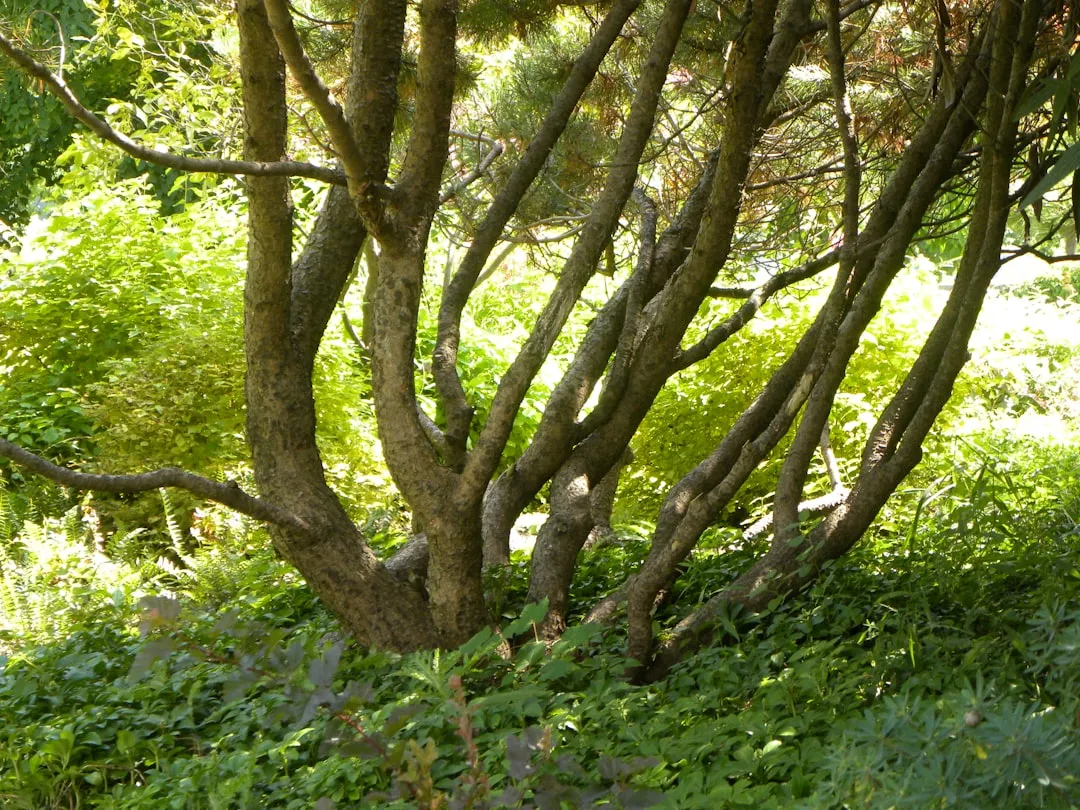
The Enchanting Allure of the Hawthorn Tree
The Enchanting Allure of the Hawthorn Tree
The Magic of Low - Maintenance Shade Trees in Your Landscape
The Magic of Low - Maintenance Shade Trees in Your Landscape
Blue Hydrangeas: A Splash of Color in Your Garden
Blue Hydrangeas: A Splash of Color in Your Garden
Unveiling the Mysteries of Lawn Mushroom Circles and Prevention Tips
Unveiling the Mysteries of Lawn Mushroom Circles and Prevention Tips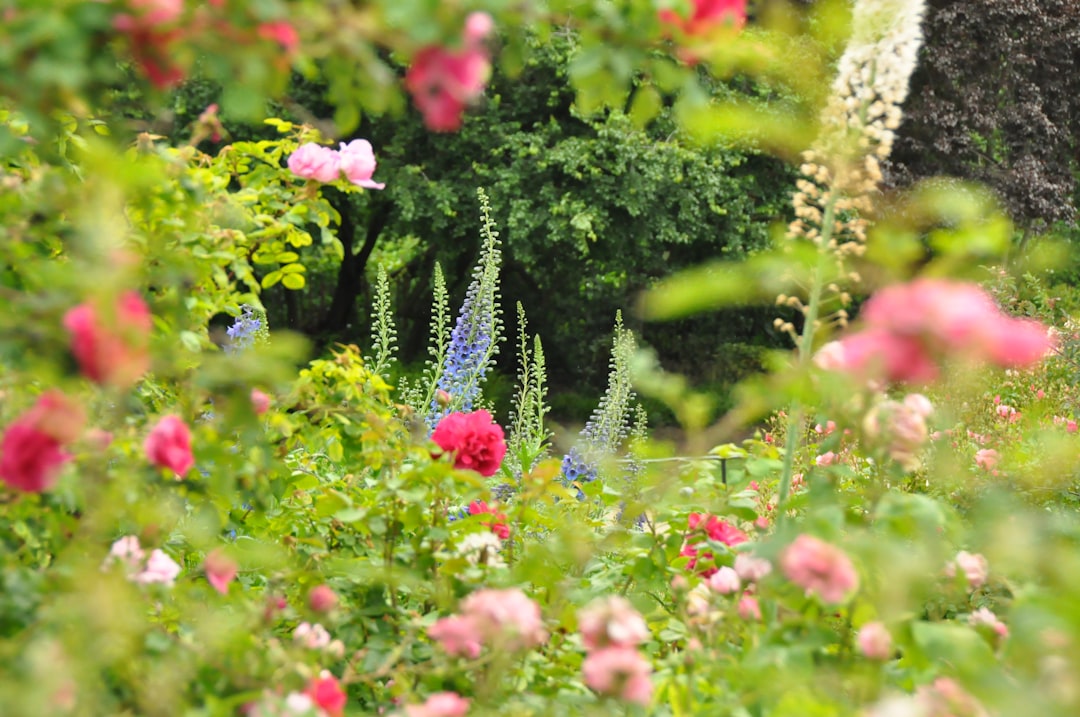
The Secret to a Thriving Yard: Fertilizer Mastery
The Secret to a Thriving Yard: Fertilizer Mastery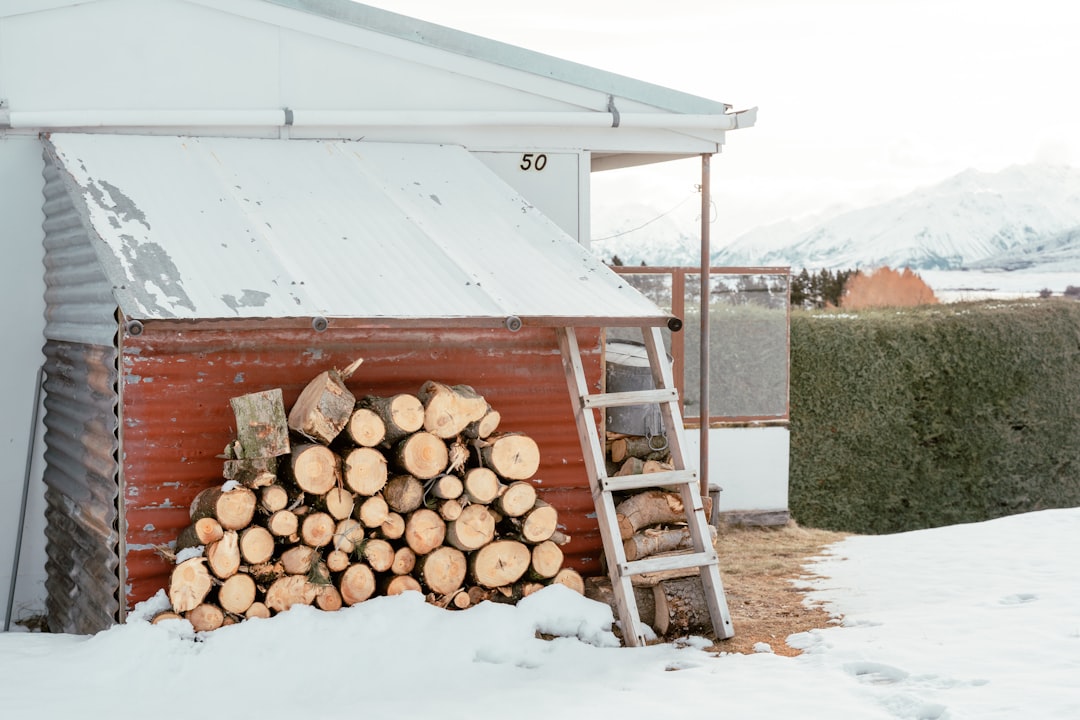
Pre - Winter Yard Preparation: A Smart Move
Pre - Winter Yard Preparation: A Smart Move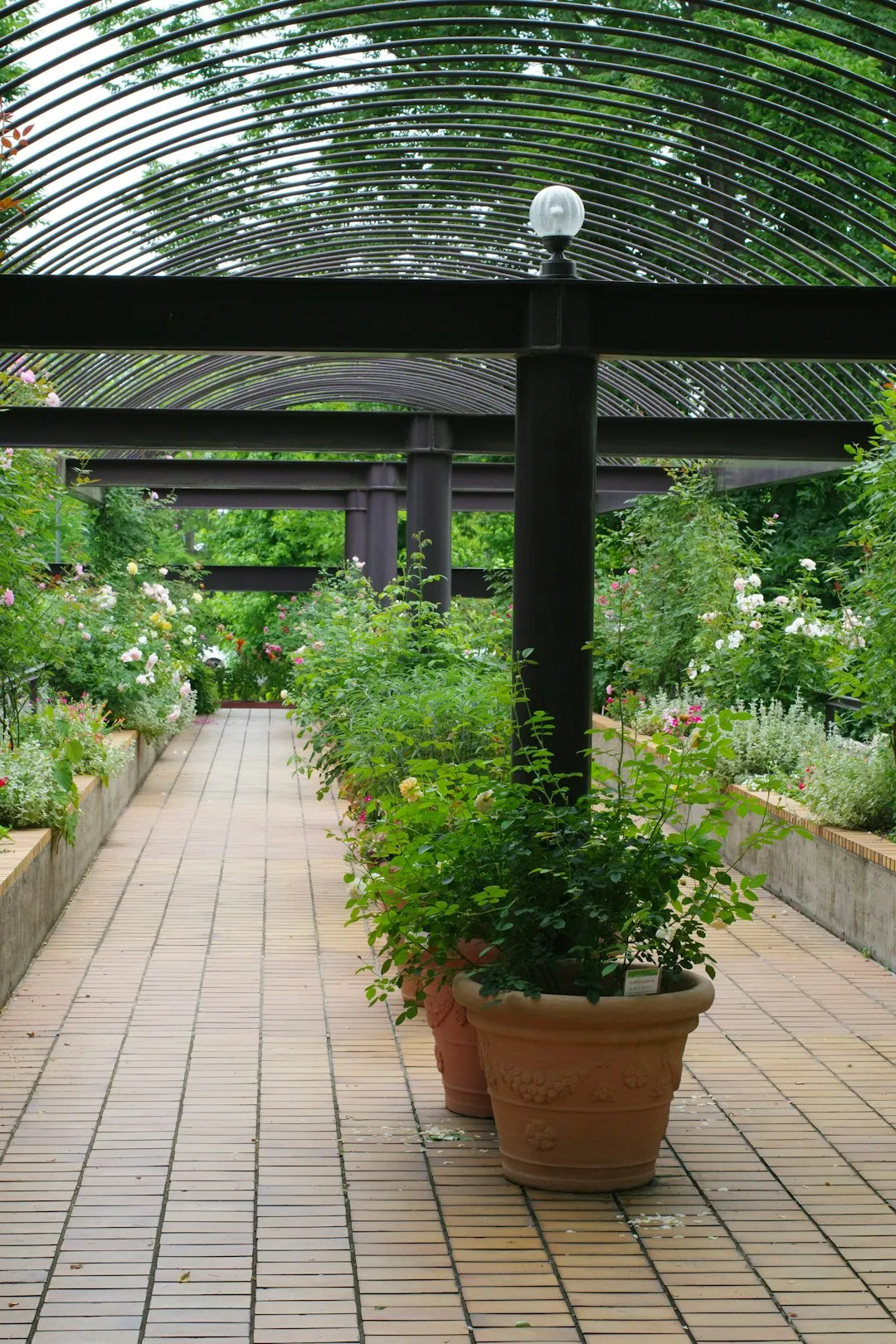
Gardening's Tiny Menace: Cucumber Beetles Unveiled
Gardening's Tiny Menace: Cucumber Beetles Unveiled
Reclaim Your Container Gardens from Ants
Reclaim Your Container Gardens from Ants
Nature's Defense: Keeping Fleas and Ticks at Bay with Garden Plants
Nature's Defense: Keeping Fleas and Ticks at Bay with Garden Plants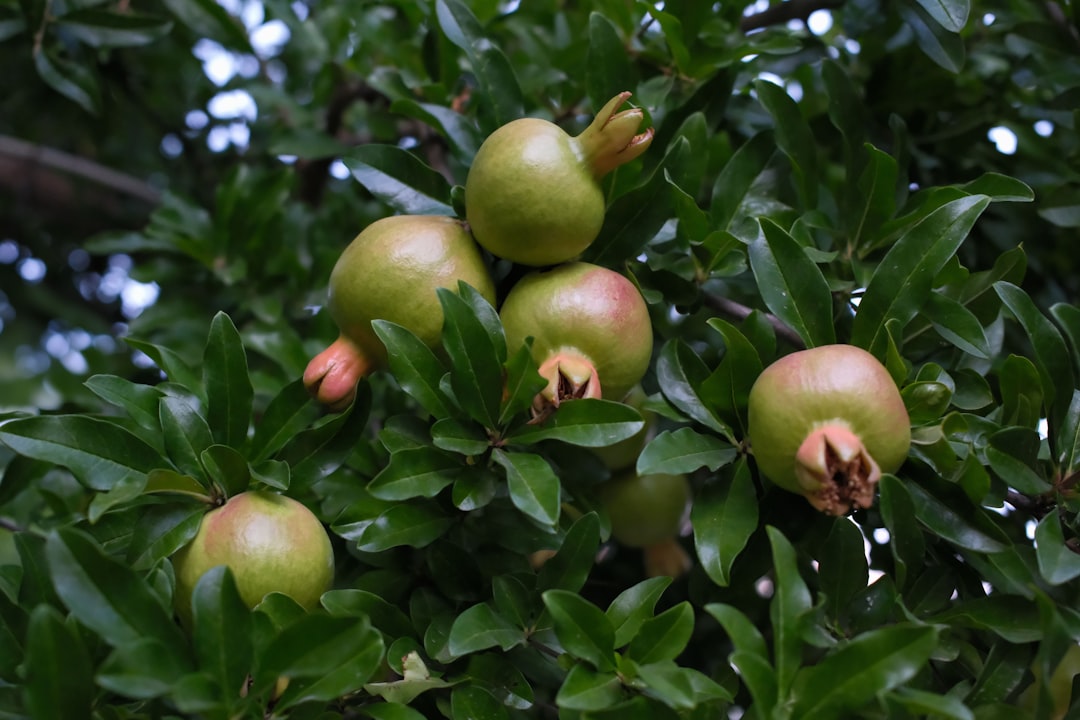
Battling the Tiny Invaders in Your Garden
Battling the Tiny Invaders in Your Garden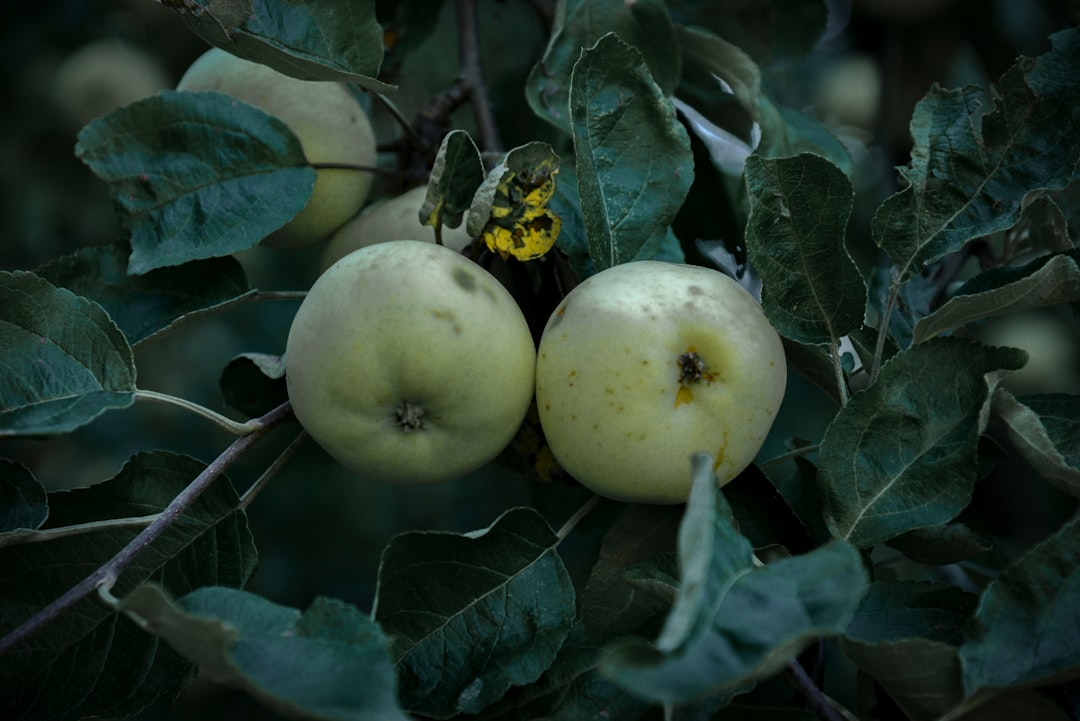
The Hidden Gems of Your Garden: Alpine Strawberries
The Hidden Gems of Your Garden: Alpine Strawberries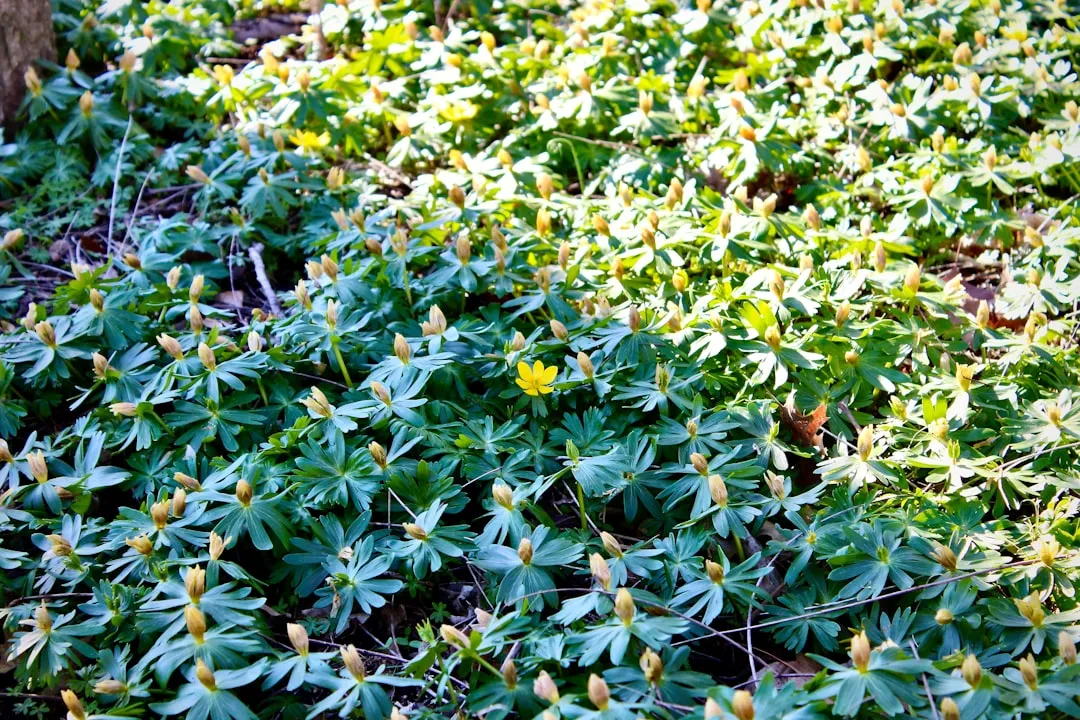
Unveiling the Secrets of Lavender Harvesting
Unveiling the Secrets of Lavender Harvesting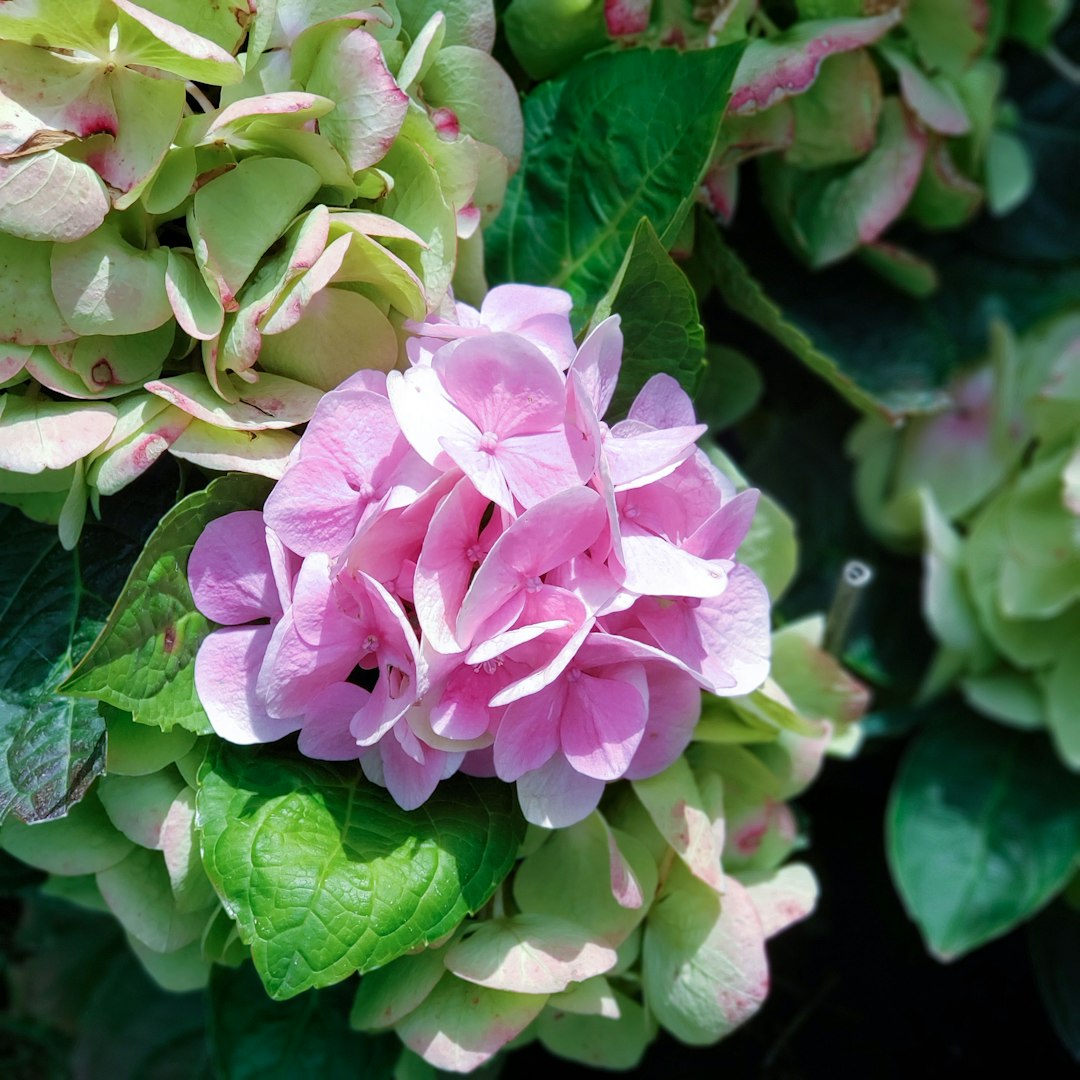
Unveiling the Secrets of Kale Harvesting
Unveiling the Secrets of Kale Harvesting
The Secret to Thriving Indoor Plants: Fertilization Guide
The Secret to Thriving Indoor Plants: Fertilization Guide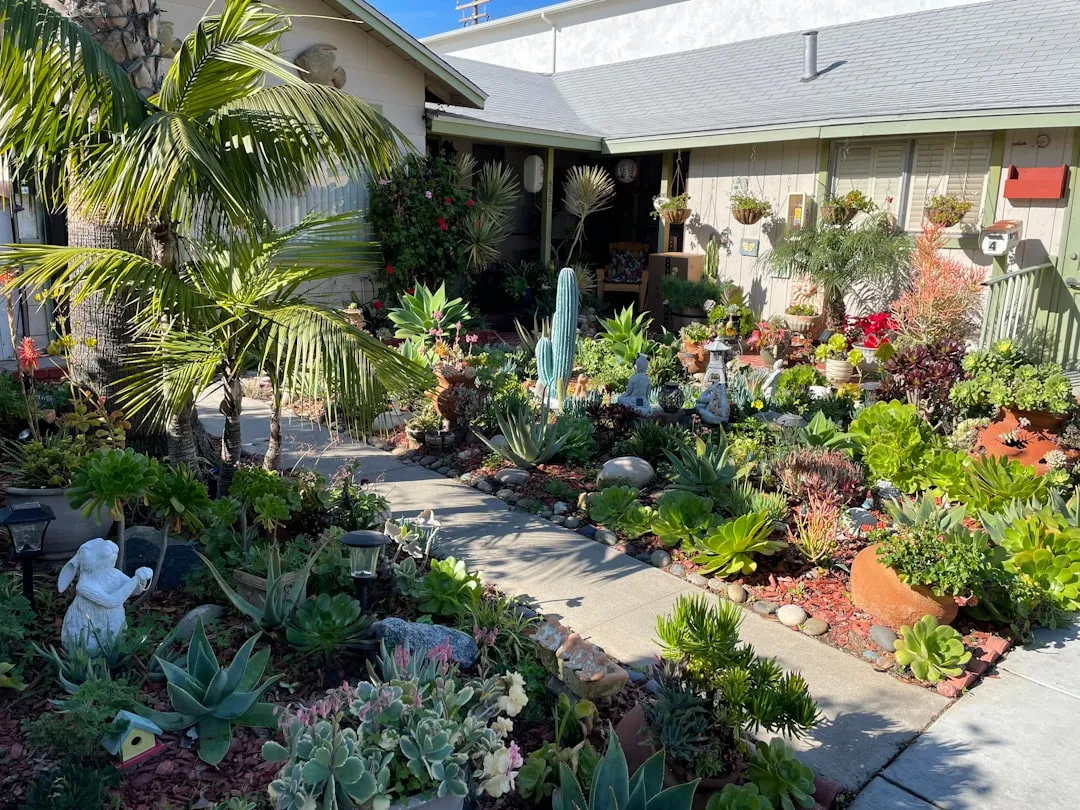
The Secret to Thriving Aloe Vera in Your Home
The Secret to Thriving Aloe Vera in Your Home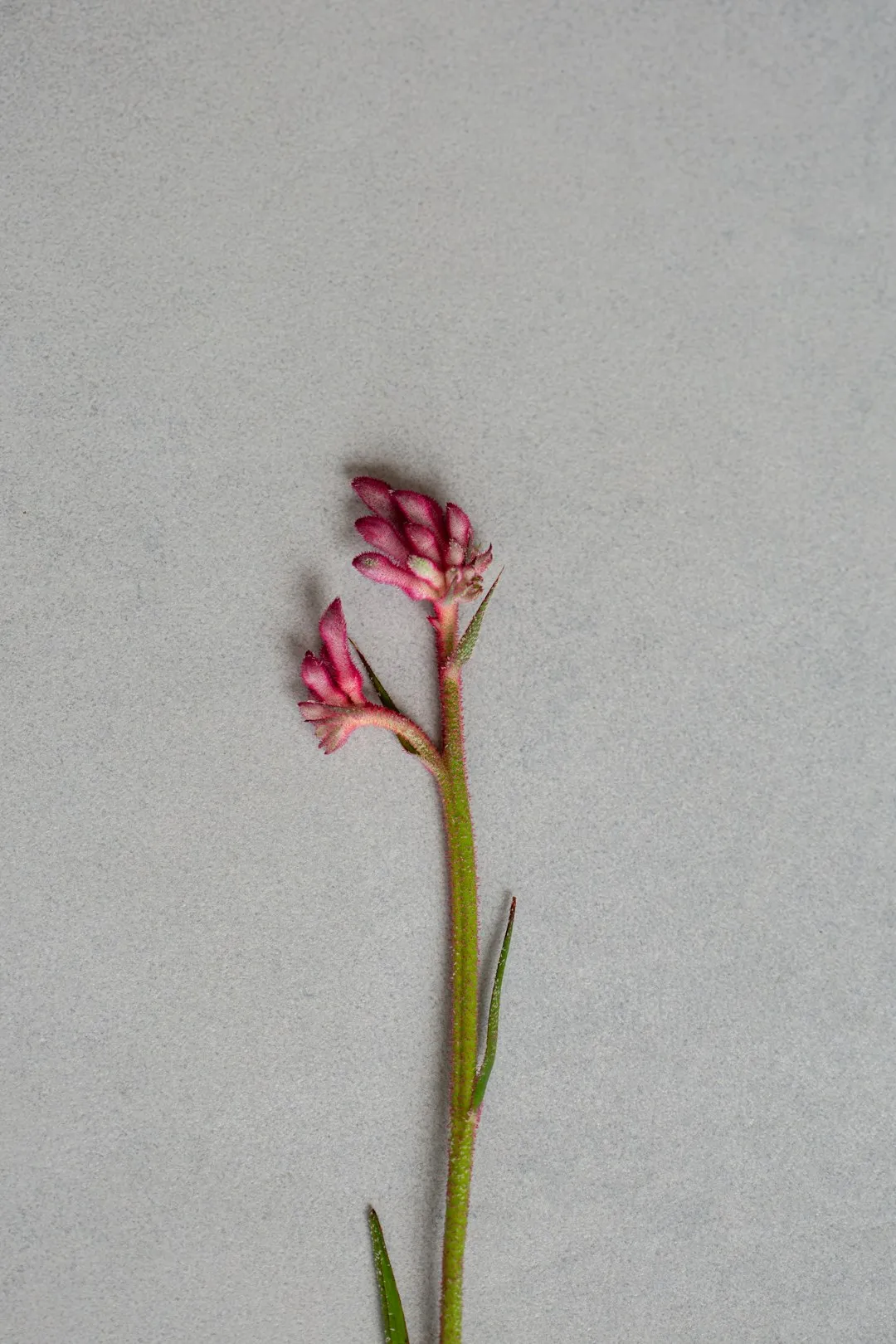
The Secret to Thriving Indoor Plants: Pot Selection
The Secret to Thriving Indoor Plants: Pot Selection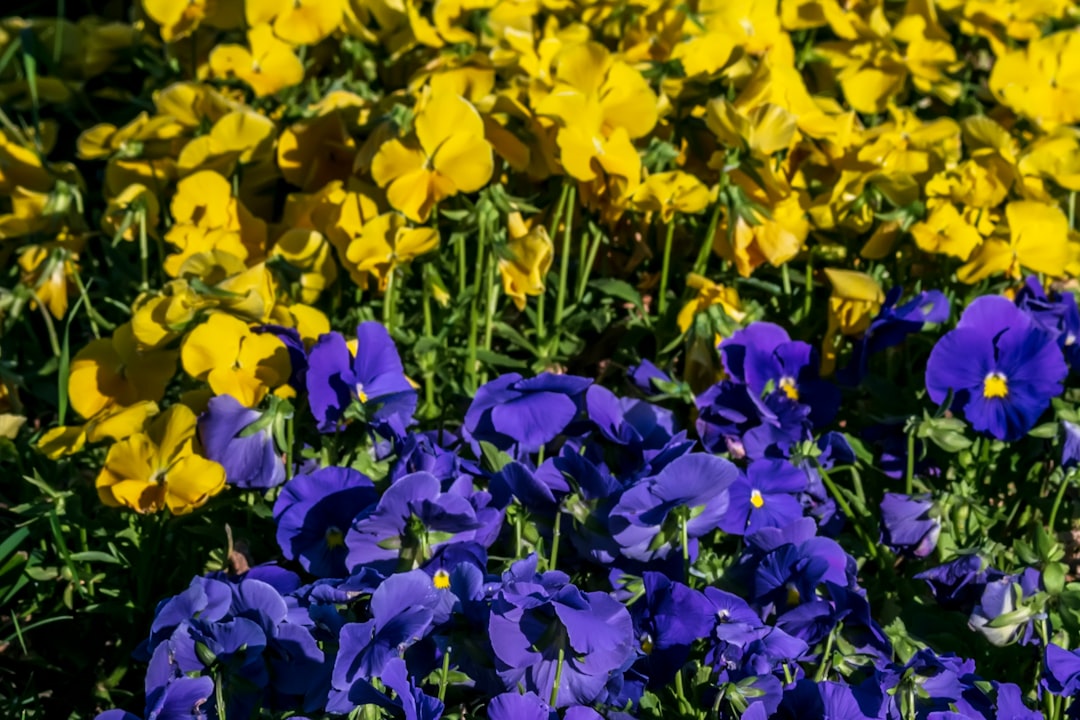
The Allure of Indoor Trees: Elevating Your Space
The Allure of Indoor Trees: Elevating Your Space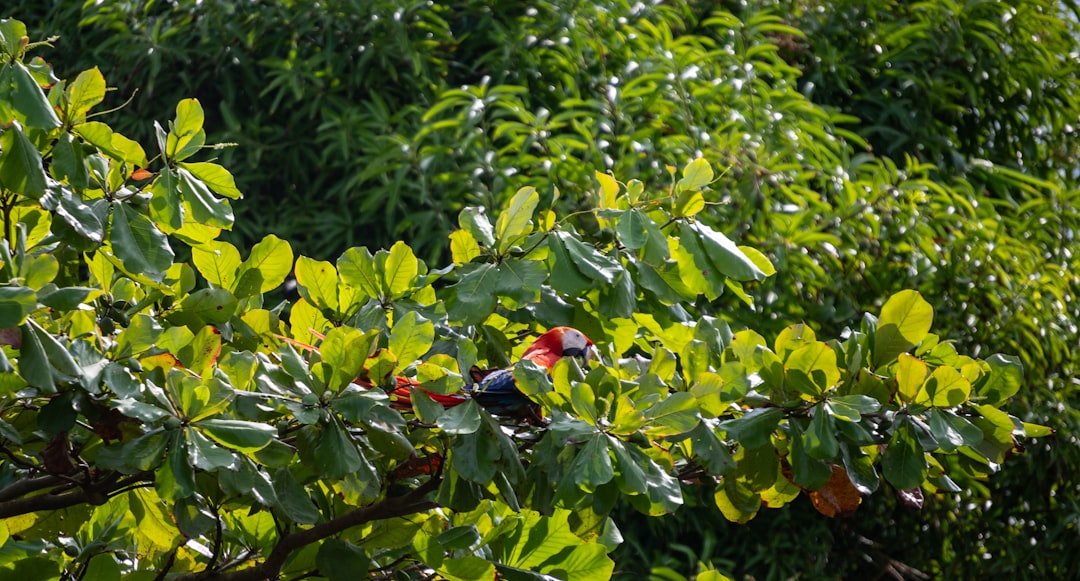
Reviving Your Peace Lily: Unveiling the Secrets Behind Brown-Tipped Leaves
Reviving Your Peace Lily: Unveiling the Secrets Behind Brown-Tipped Leaves
The Secret to Thriving Houseplant Multiplication
The Secret to Thriving Houseplant Multiplication
The Secret to a Thriving Indoor Plant Oasis
The Secret to a Thriving Indoor Plant Oasis


