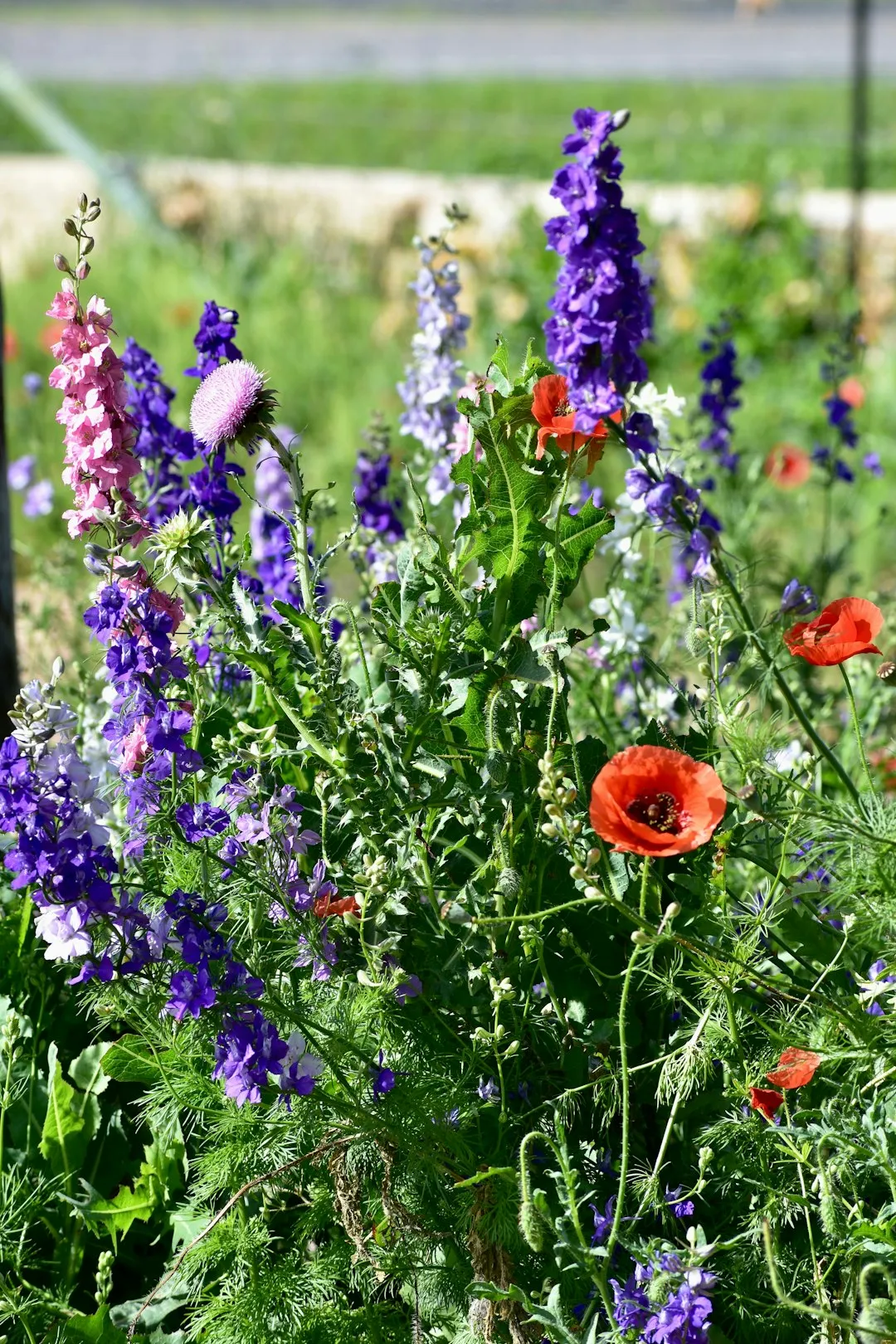
Orchids, those elegant and captivating houseplants, have long been adorning homes and hearts with their exquisite beauty. While they may seem a bit finicky at first glance, with a little knowledge and some tender - loving care, you can have these stunning flowers thriving in your living space. In this article, we'll delve into the essential aspects of watering, potting, and other key factors to help you become a successful orchid grower.
Let's start with watering, perhaps the most crucial aspect of orchid care. Unlike many common houseplants, orchids don't thrive in constantly wet soil. Over - watering is one of the most common mistakes made by novice orchid growers. Orchids are naturally epiphytic, which means they grow on other plants in the wild, getting moisture from the air and rain. When watering your orchid at home, it's important to soak the roots thoroughly but then allow the potting medium to dry out between waterings. A good rule of thumb is to water your orchid once a week, but this can vary depending on factors such as the type of orchid, the size of the pot, and the humidity in your home.
To water your orchid properly, place the pot in a sink or a container filled with lukewarm water. Let the orchid soak for about 15 - 20 minutes, allowing the roots to absorb the water. Then, drain the pot completely. Avoid leaving the orchid sitting in standing water, as this can lead to root rot. You can also use a watering can with a long spout to water directly at the base of the plant, being careful not to get water on the leaves or flowers, as this can cause spotting and disease.
Potting is another important consideration when it comes to orchid care. Orchids need a well - draining potting medium that allows air to circulate around the roots. Traditional potting soil is not suitable for orchids, as it retains too much moisture. Instead, you can use a specialized orchid mix, which typically consists of materials like bark, sphagnum moss, perlite, or coconut coir. These materials provide good drainage and aeration for the roots.
When repotting your orchid, choose a pot that is only slightly larger than the current one. Orchids prefer to be a bit root - bound, and a pot that is too large can hold too much moisture and lead to root problems. Gently remove the orchid from its old pot, being careful not to damage the roots. Trim away any dead or damaged roots with a clean, sharp pair of scissors or pruning shears. Place the orchid in the new pot and fill in the spaces around the roots with the orchid mix, gently pressing it down to secure the plant.
Light is also a vital factor in orchid growth. Orchids need bright, indirect light to thrive. Direct sunlight can burn the leaves and flowers, while too little light can result in poor growth and lack of blooms. A north - or east - facing window is usually ideal for most orchids. If you don't have a suitable window, you can also use artificial grow lights. Place the lights about 12 - 18 inches above the orchids and keep them on for about 12 - 14 hours a day.
Temperature and humidity are other important environmental factors. Most orchids prefer temperatures between 60 - 80°F (15 - 27°C) during the day and slightly cooler temperatures at night. They also need a relatively high humidity level, around 50 - 70%. You can increase the humidity around your orchids by placing a tray of water near the plants, using a humidifier, or grouping the orchids together. Misting the leaves with water can also help increase humidity, but be careful not to over - mist, as this can lead to fungal diseases.
Fertilizing your orchid is necessary to provide it with the nutrients it needs to grow and bloom. Use a balanced orchid fertilizer, diluted to half - strength. Fertilize your orchid every two weeks during the growing season (usually spring and summer) and reduce the frequency to once a month during the dormant season (fall and winter). Be careful not to over - fertilize, as this can burn the roots and damage the plant.
Pest and disease control is also an important part of orchid care. Common pests that can affect orchids include aphids, spider mites, scale insects, and mealybugs. You can control these pests by using an insecticidal soap or neem oil spray. Make sure to follow the instructions on the product carefully. Diseases such as fungal and bacterial infections can also occur, especially if the orchid is exposed to too much moisture or poor air circulation. To prevent diseases, keep the orchid's environment clean and dry, and avoid over - watering and over - crowding the plants.
In conclusion, while orchids do require a bit of extra care compared to some other houseplants, they are well worth the effort. By understanding the basics of watering, potting, light, temperature, humidity, fertilizing, and pest control, you can create the perfect environment for your orchids to grow and bloom. With a little patience and practice, you'll be rewarded with beautiful, healthy orchids that will bring joy and elegance to your home for years to come.
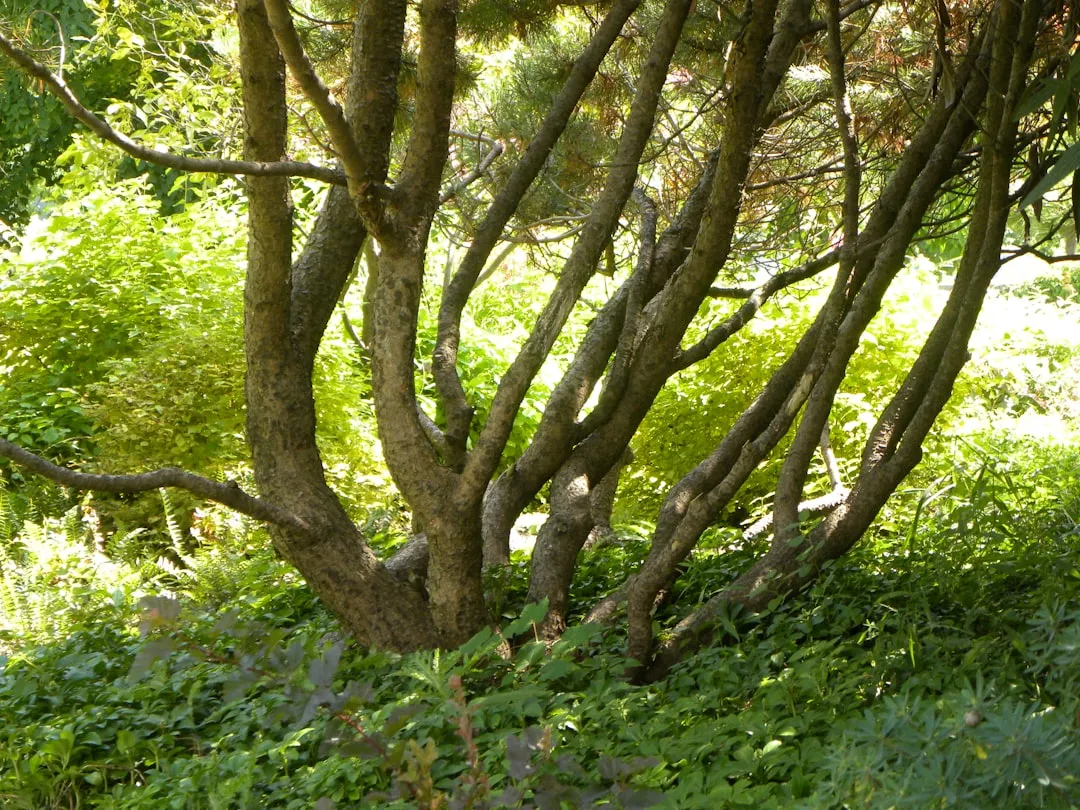
The Enchanting Allure of the Hawthorn Tree
The Enchanting Allure of the Hawthorn Tree
The Magic of Low - Maintenance Shade Trees in Your Landscape
The Magic of Low - Maintenance Shade Trees in Your Landscape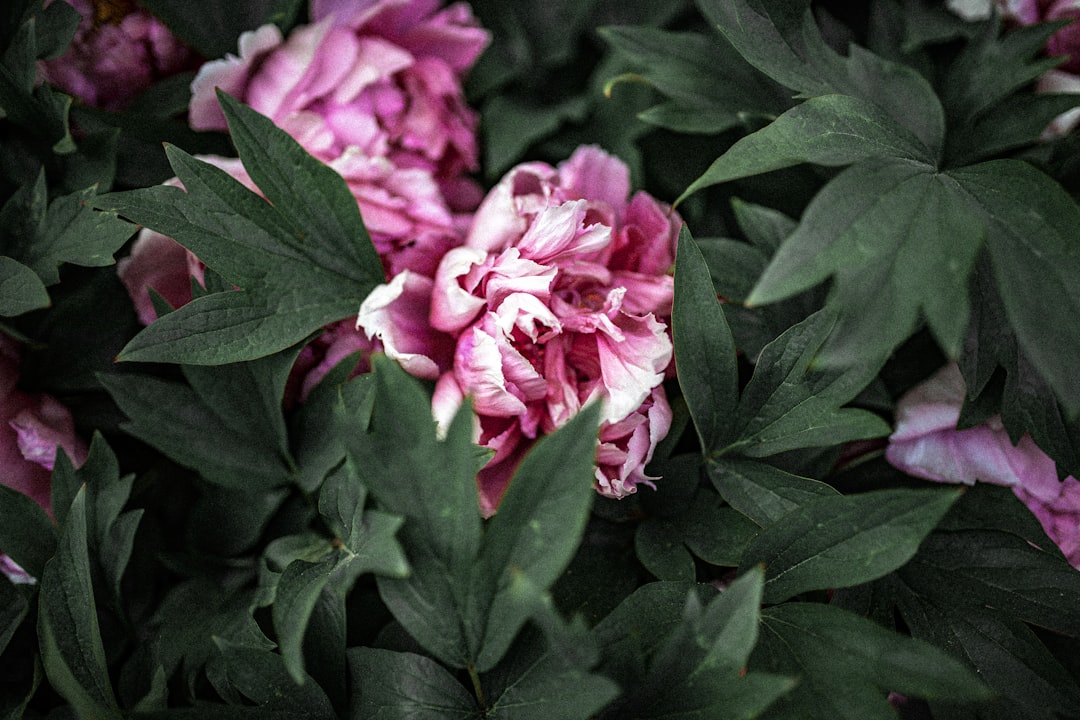
Blue Hydrangeas: A Splash of Color in Your Garden
Blue Hydrangeas: A Splash of Color in Your Garden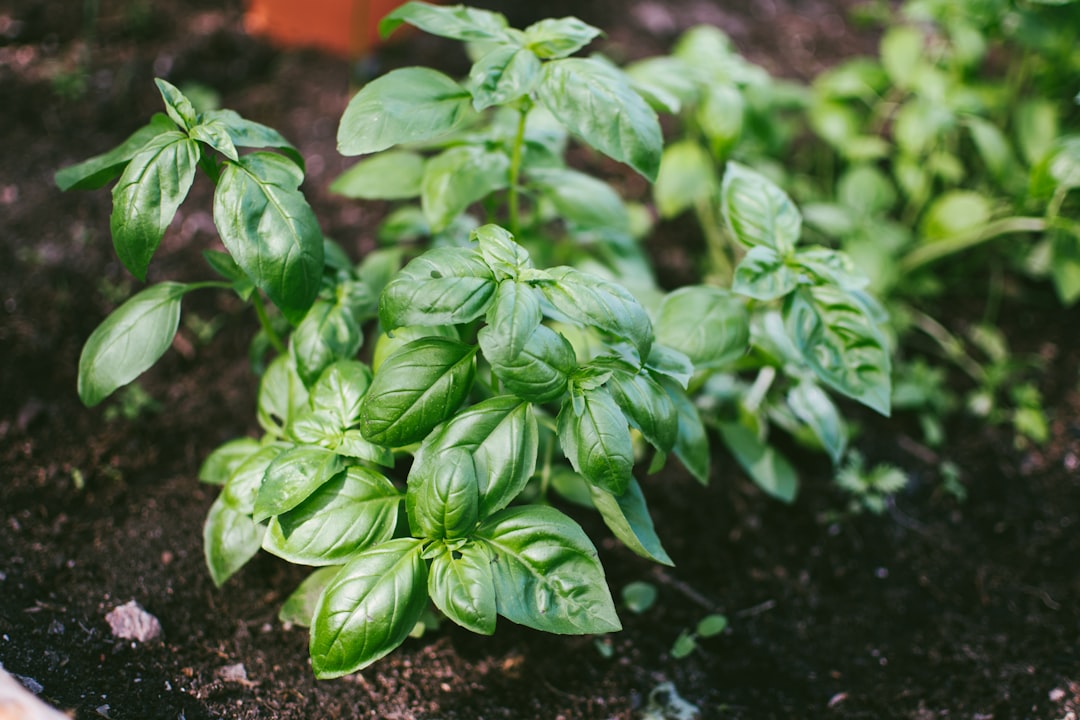
Unveiling the Mysteries of Lawn Mushroom Circles and Prevention Tips
Unveiling the Mysteries of Lawn Mushroom Circles and Prevention Tips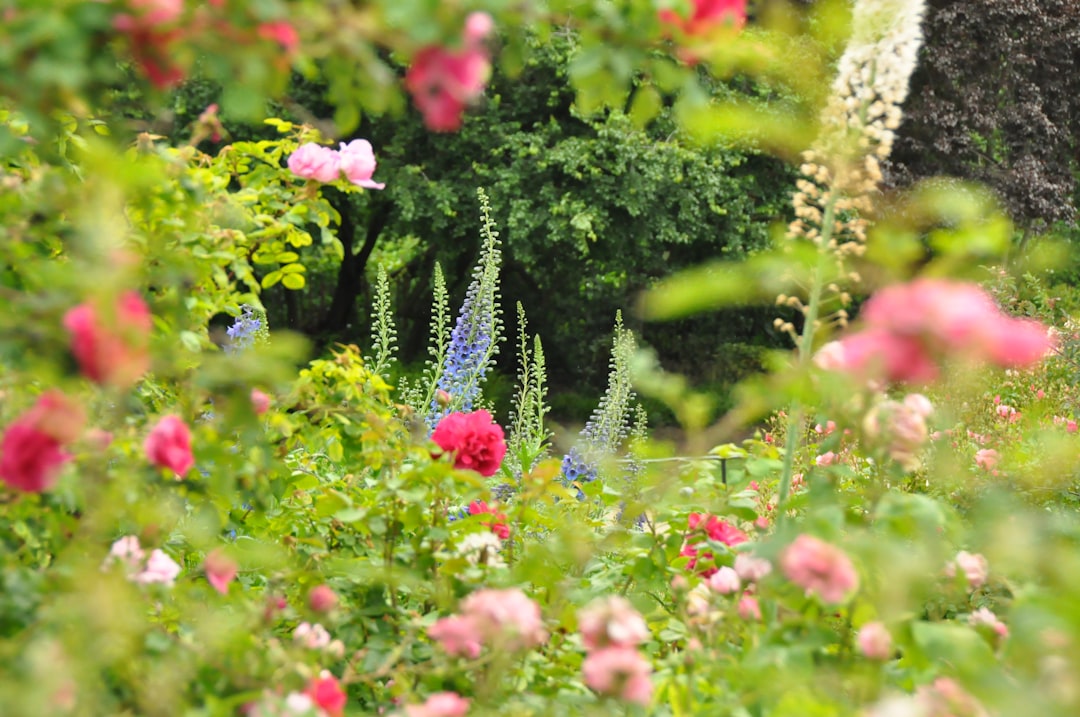
The Secret to a Thriving Yard: Fertilizer Mastery
The Secret to a Thriving Yard: Fertilizer Mastery
Pre - Winter Yard Preparation: A Smart Move
Pre - Winter Yard Preparation: A Smart Move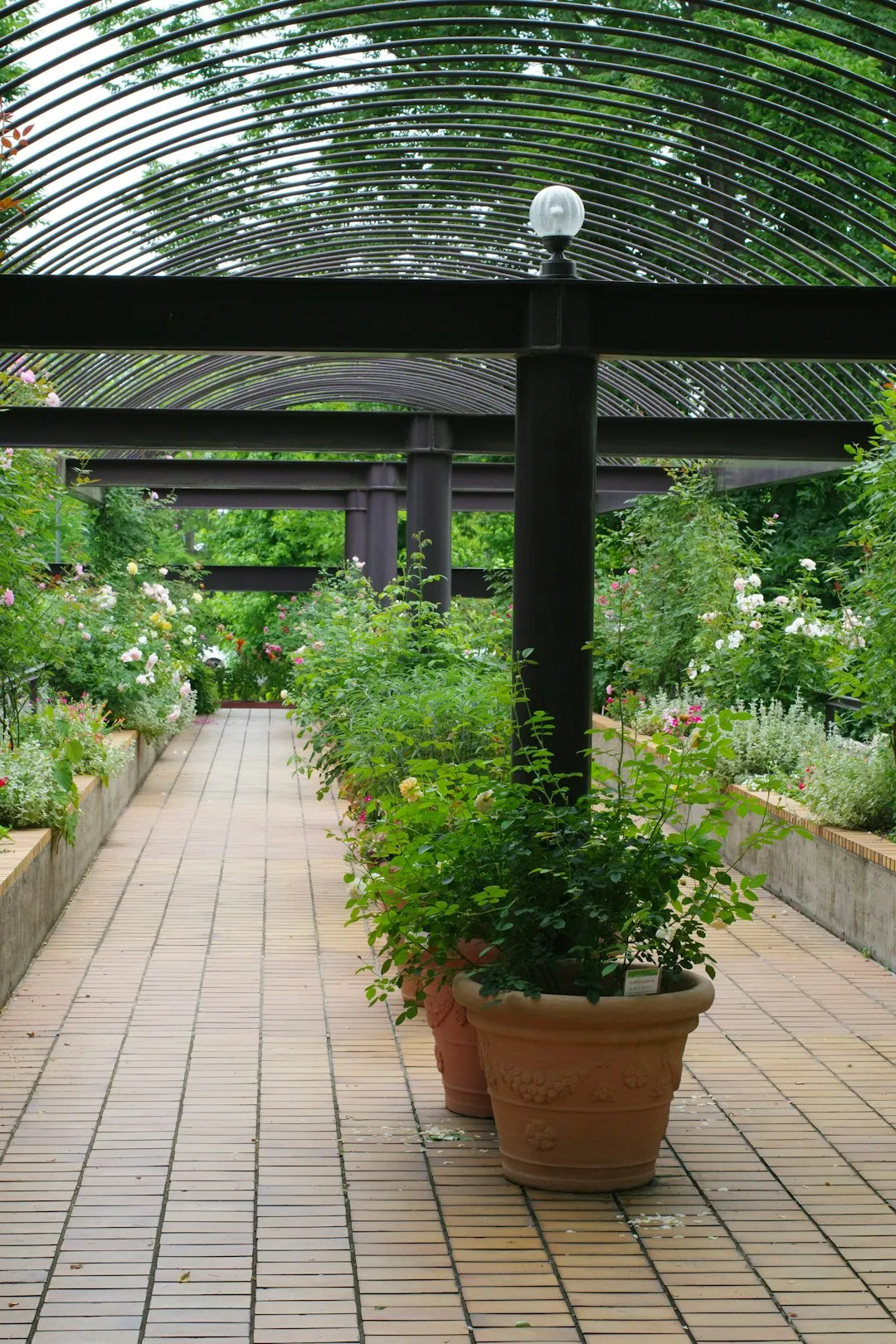
Gardening's Tiny Menace: Cucumber Beetles Unveiled
Gardening's Tiny Menace: Cucumber Beetles Unveiled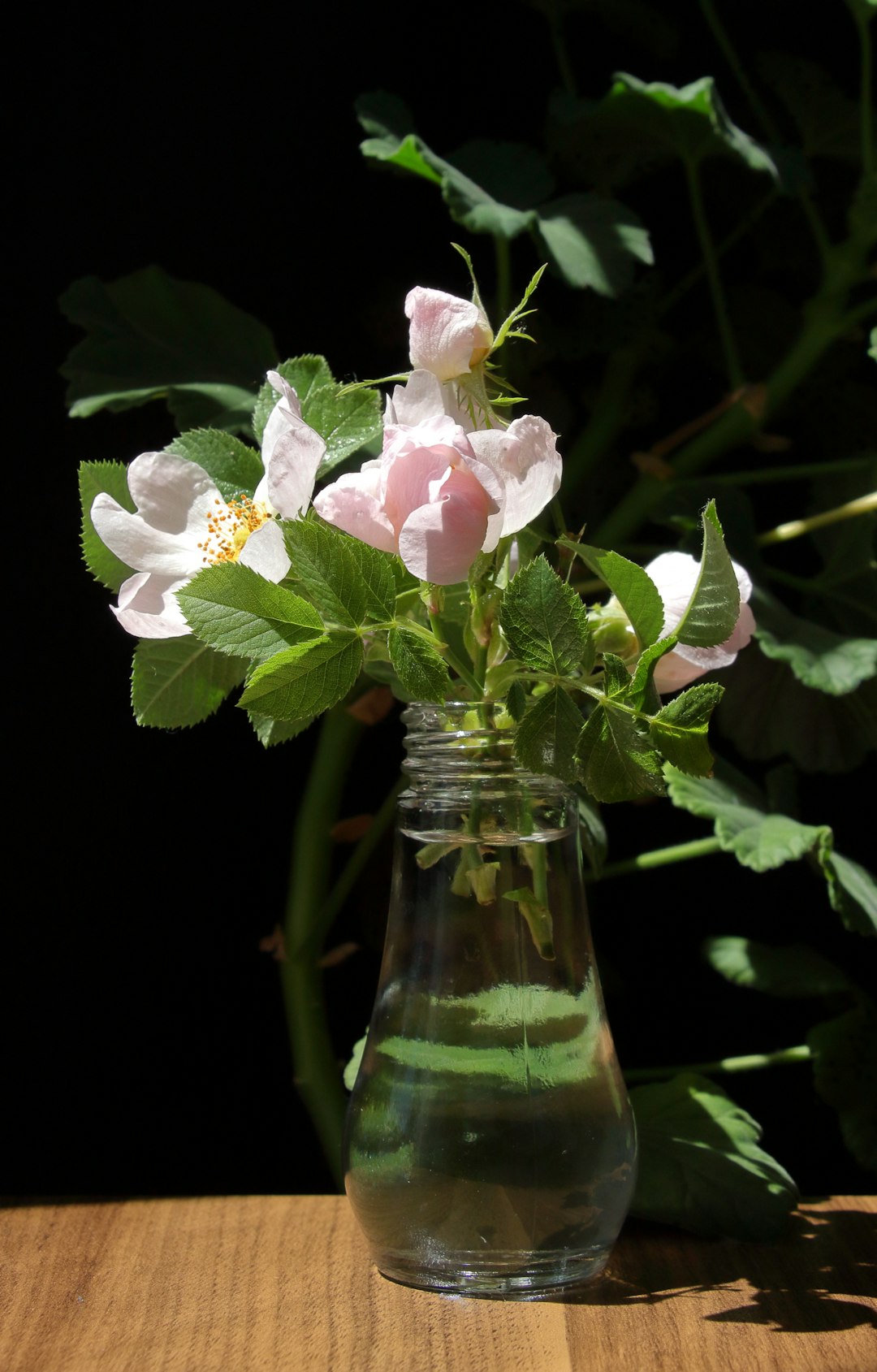
Reclaim Your Container Gardens from Ants
Reclaim Your Container Gardens from Ants
Nature's Defense: Keeping Fleas and Ticks at Bay with Garden Plants
Nature's Defense: Keeping Fleas and Ticks at Bay with Garden Plants
Battling the Tiny Invaders in Your Garden
Battling the Tiny Invaders in Your Garden
The Hidden Gems of Your Garden: Alpine Strawberries
The Hidden Gems of Your Garden: Alpine Strawberries
Unveiling the Secrets of Lavender Harvesting
Unveiling the Secrets of Lavender Harvesting
Unveiling the Secrets of Kale Harvesting
Unveiling the Secrets of Kale Harvesting
The Secret to Thriving Indoor Plants: Fertilization Guide
The Secret to Thriving Indoor Plants: Fertilization Guide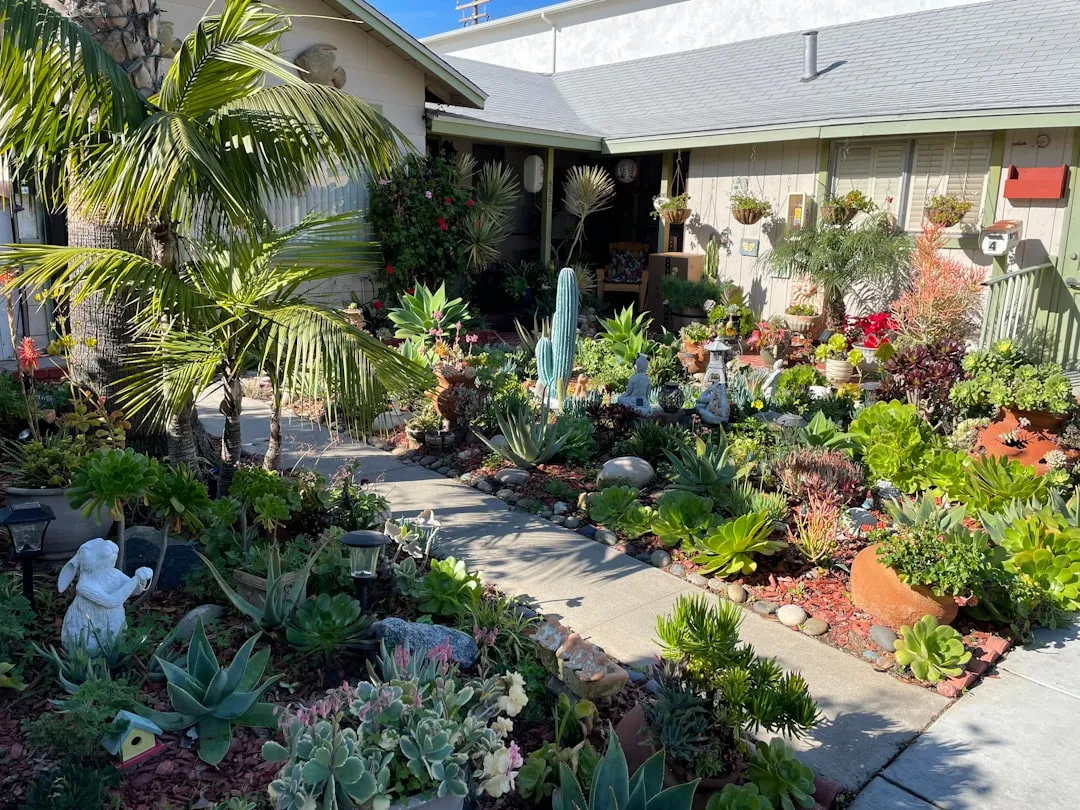
The Secret to Thriving Aloe Vera in Your Home
The Secret to Thriving Aloe Vera in Your Home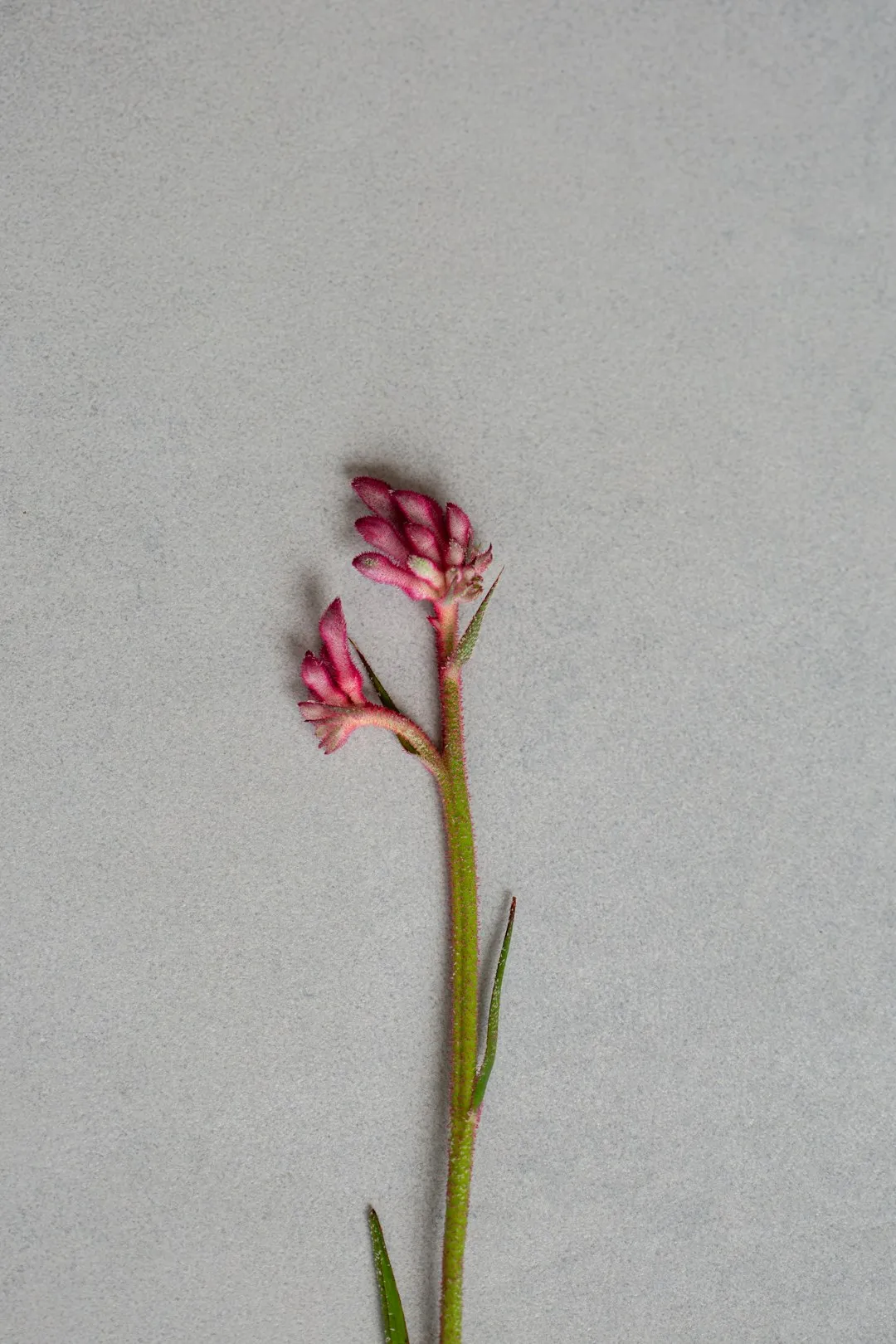
The Secret to Thriving Indoor Plants: Pot Selection
The Secret to Thriving Indoor Plants: Pot Selection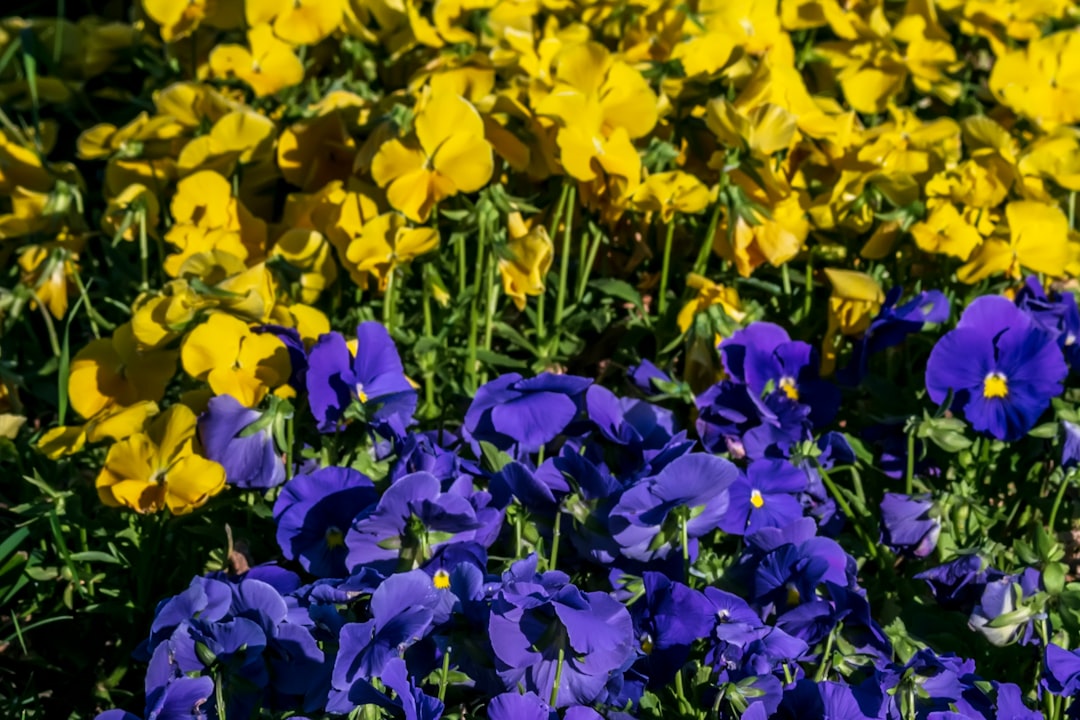
The Allure of Indoor Trees: Elevating Your Space
The Allure of Indoor Trees: Elevating Your Space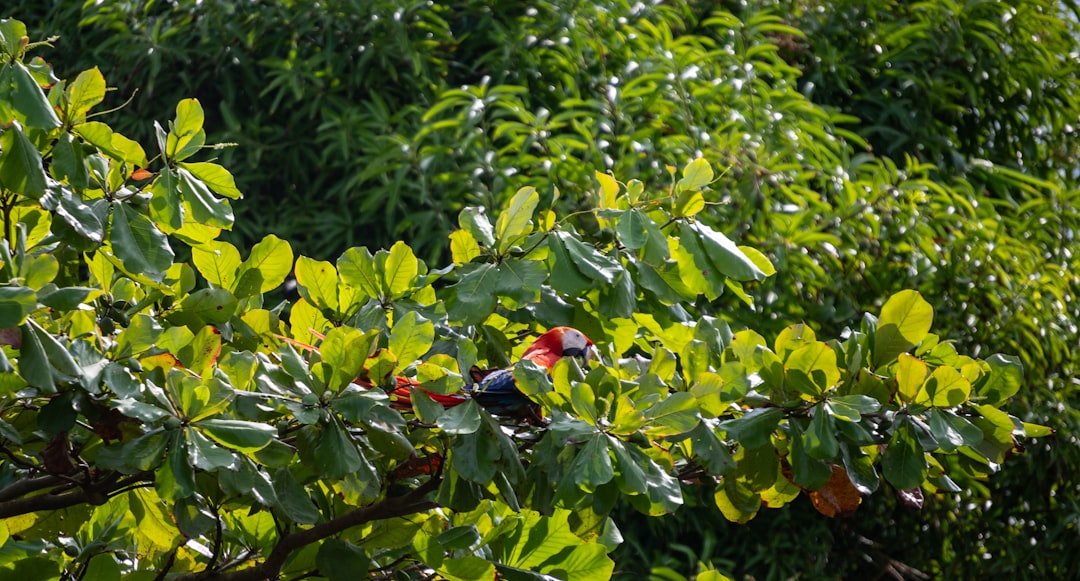
Reviving Your Peace Lily: Unveiling the Secrets Behind Brown-Tipped Leaves
Reviving Your Peace Lily: Unveiling the Secrets Behind Brown-Tipped Leaves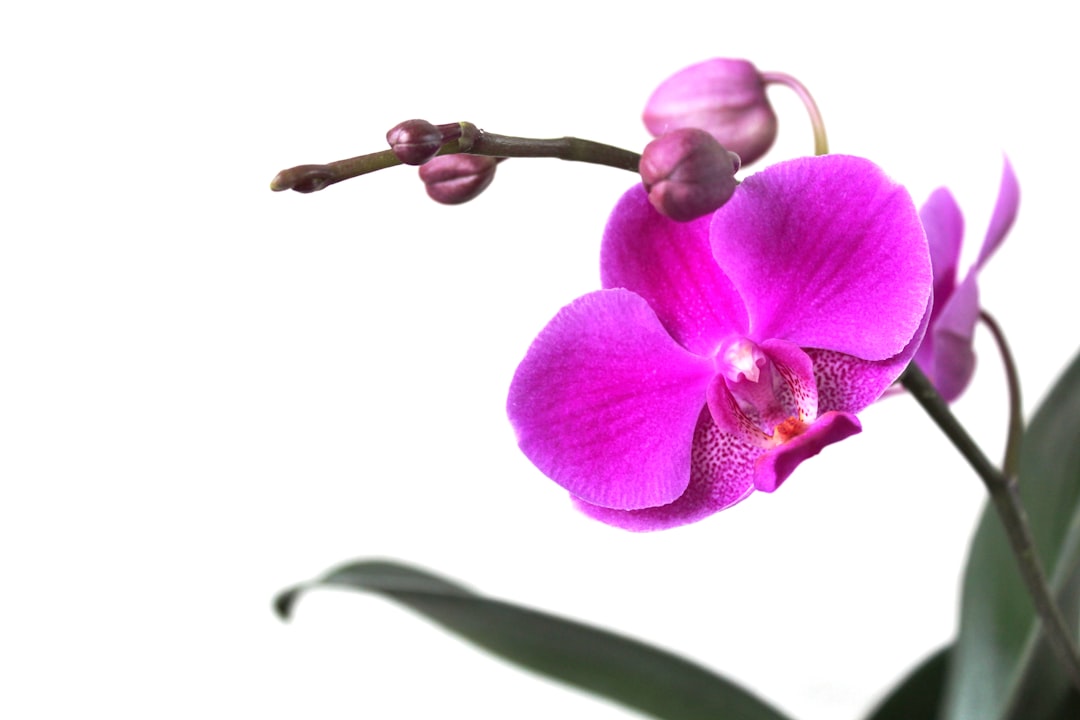
The Secret to Thriving Houseplant Multiplication
The Secret to Thriving Houseplant Multiplication
The Secret to a Thriving Indoor Plant Oasis
The Secret to a Thriving Indoor Plant Oasis


