
In the world of gardening, a lush and vibrant garden is every enthusiast's dream. However, there are numerous missteps that can turn this dream into a nightmare, making plants especially vulnerable to pests and various problems. A seasoned garden pro has come forward to share insights on these common pitfalls and how to avoid them.
One of the most significant missteps is over - watering. Many gardeners think that more water is always better for their plants. But in reality, excessive water can lead to waterlogged soil. This creates an environment where roots cannot breathe properly, making the plants weak and more susceptible to diseases. For example, root rot is a common problem in over - watered plants. The fungus that causes root rot thrives in wet conditions, and once it takes hold, it can quickly kill the plant. To avoid over - watering, it's essential to understand the water requirements of each plant species. Some plants, like succulents, need very little water, while others, such as water lilies, thrive in wet environments. A good rule of thumb is to check the soil moisture before watering. Stick your finger about an inch into the soil; if it's dry, it's time to water, but if it's still moist, hold off.
Another common mistake is improper pruning. Pruning is an important part of plant care, but if done incorrectly, it can cause more harm than good. When you prune a plant, you're essentially making a wound. If the pruning tools are not clean, they can introduce bacteria and fungi into the plant. For instance, if you use the same dirty shears on a healthy rose bush and then on a diseased one, you can easily spread the disease. Also, over - pruning can shock the plant, reducing its ability to photosynthesize and grow. To prune correctly, use sharp and clean tools. Make clean cuts at the right angle, and only remove dead, damaged, or diseased branches. It's also a good idea to research the specific pruning needs of each plant type.
Soil quality is often overlooked but is crucial for plant health. Using poor - quality soil can limit the plant's access to essential nutrients. For example, if the soil is too compacted, roots cannot penetrate easily, and water and nutrients cannot be absorbed effectively. On the other hand, soil that is too sandy may not hold enough water and nutrients. To improve soil quality, you can add organic matter such as compost or manure. These materials help to loosen compacted soil, improve water retention, and provide a slow - release source of nutrients. Regularly testing the soil can also help you determine its pH level and nutrient content, allowing you to make the necessary adjustments.
Pest management is another area where many gardeners make mistakes. Some people rely too heavily on chemical pesticides, which can harm beneficial insects as well as the pests. For example, ladybugs are natural predators of aphids, but chemical pesticides can kill them. Instead of using harsh chemicals, try using natural pest control methods. You can introduce beneficial insects into your garden, use companion planting to repel pests, or make homemade pest sprays using ingredients like garlic and neem oil. These methods are not only safer for the environment but also more sustainable in the long run.
In conclusion, by avoiding these common missteps in gardening, you can create a healthy and thriving garden. Understanding the specific needs of your plants, using proper techniques for watering, pruning, and soil management, and adopting natural pest control methods are all key steps in ensuring that your plants are not vulnerable to pests and problems. With a little knowledge and effort, you can enjoy a beautiful and bountiful garden for years to come.
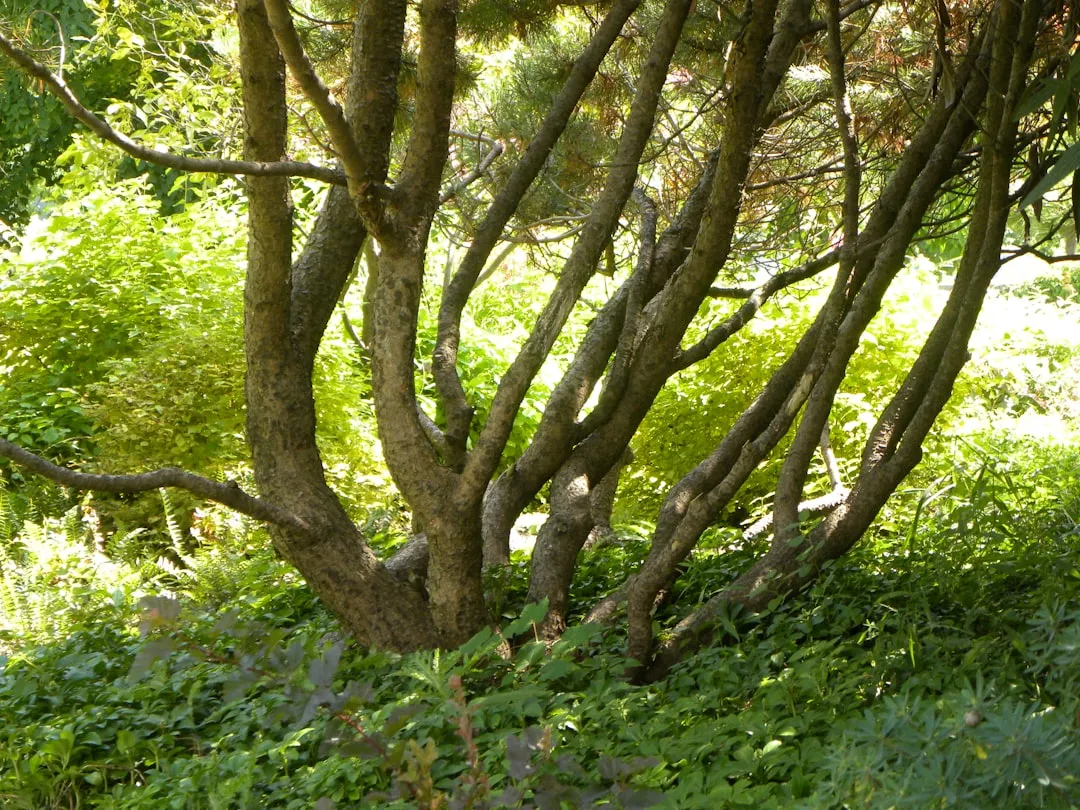
The Enchanting Allure of the Hawthorn Tree
The Enchanting Allure of the Hawthorn Tree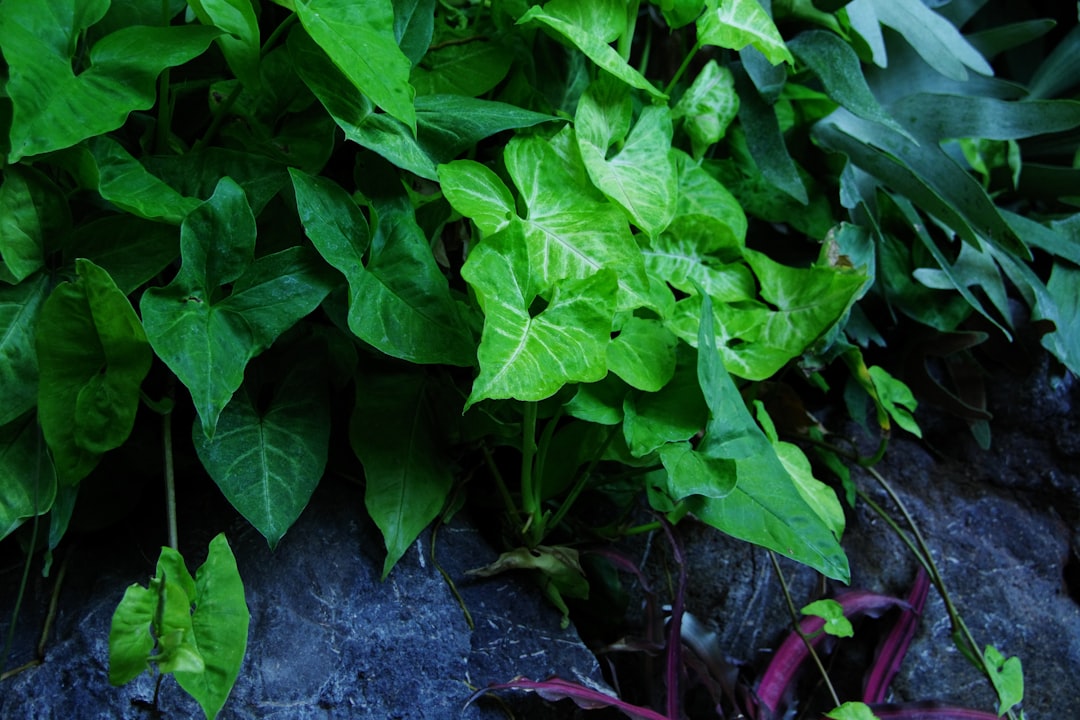
The Magic of Low - Maintenance Shade Trees in Your Landscape
The Magic of Low - Maintenance Shade Trees in Your Landscape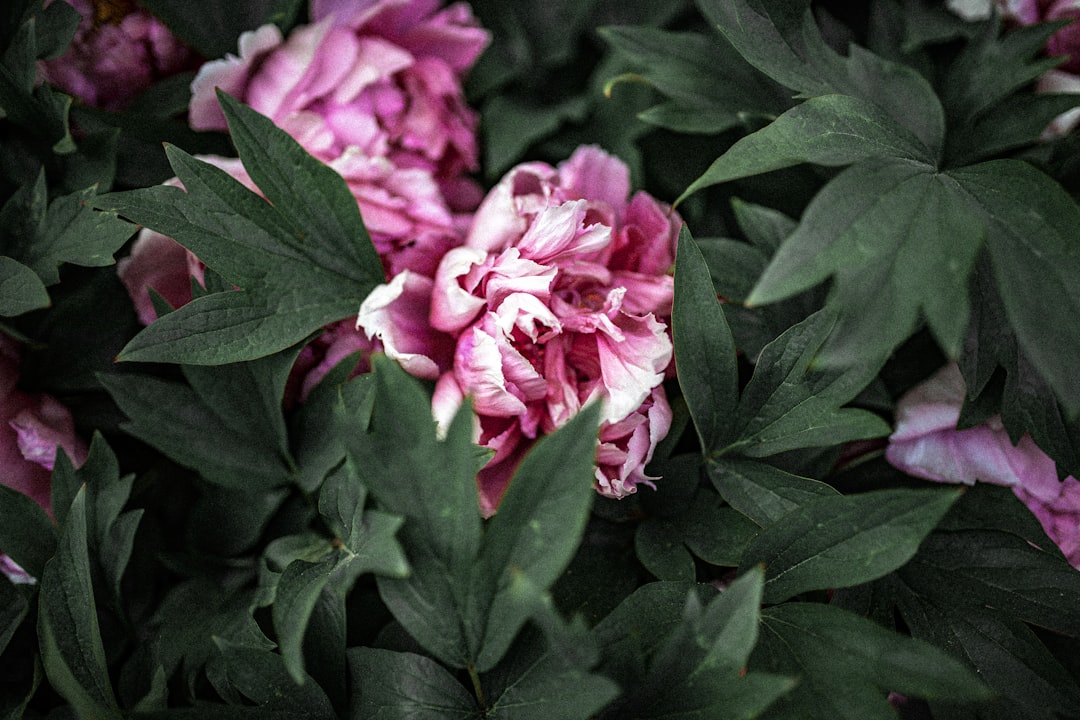
Blue Hydrangeas: A Splash of Color in Your Garden
Blue Hydrangeas: A Splash of Color in Your Garden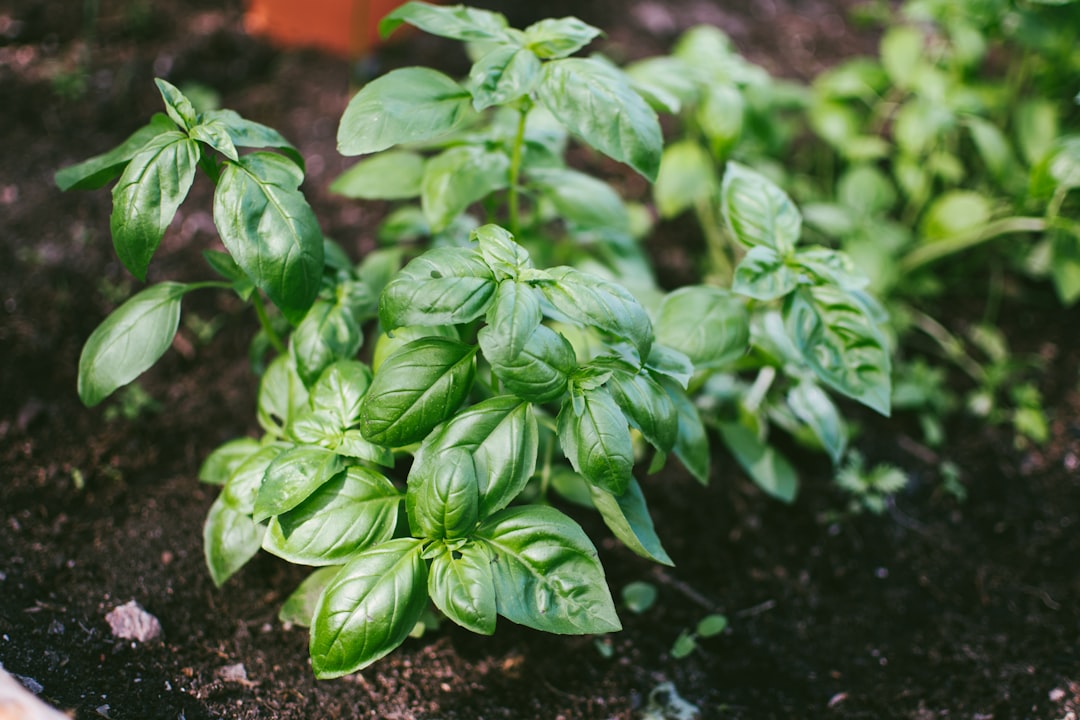
Unveiling the Mysteries of Lawn Mushroom Circles and Prevention Tips
Unveiling the Mysteries of Lawn Mushroom Circles and Prevention Tips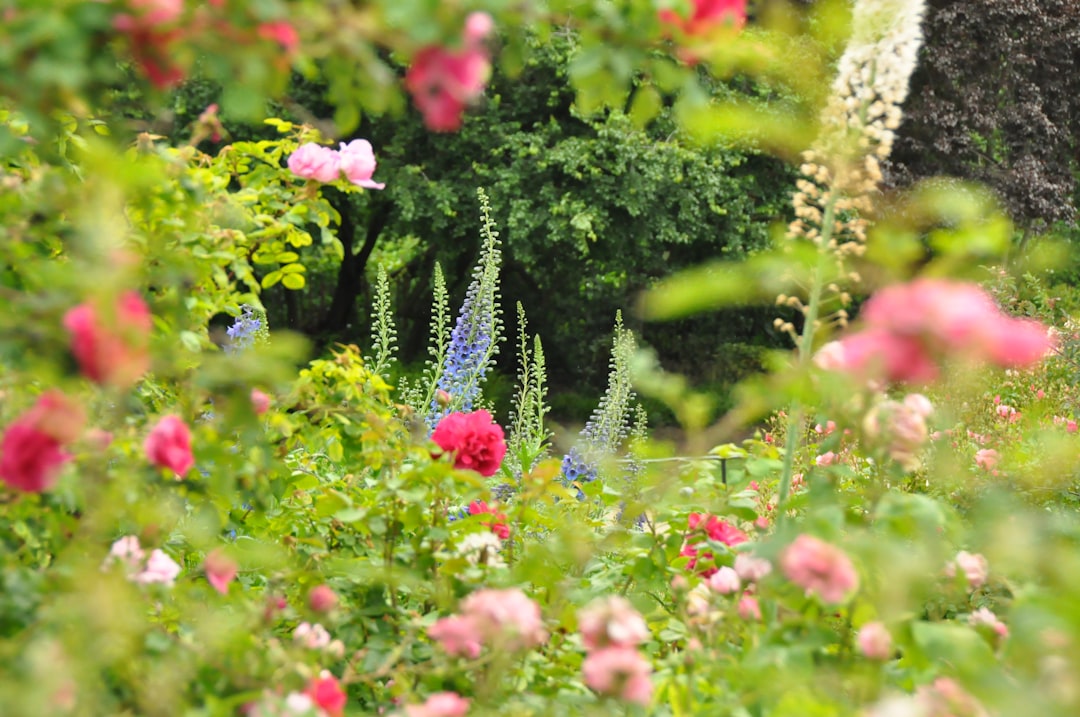
The Secret to a Thriving Yard: Fertilizer Mastery
The Secret to a Thriving Yard: Fertilizer Mastery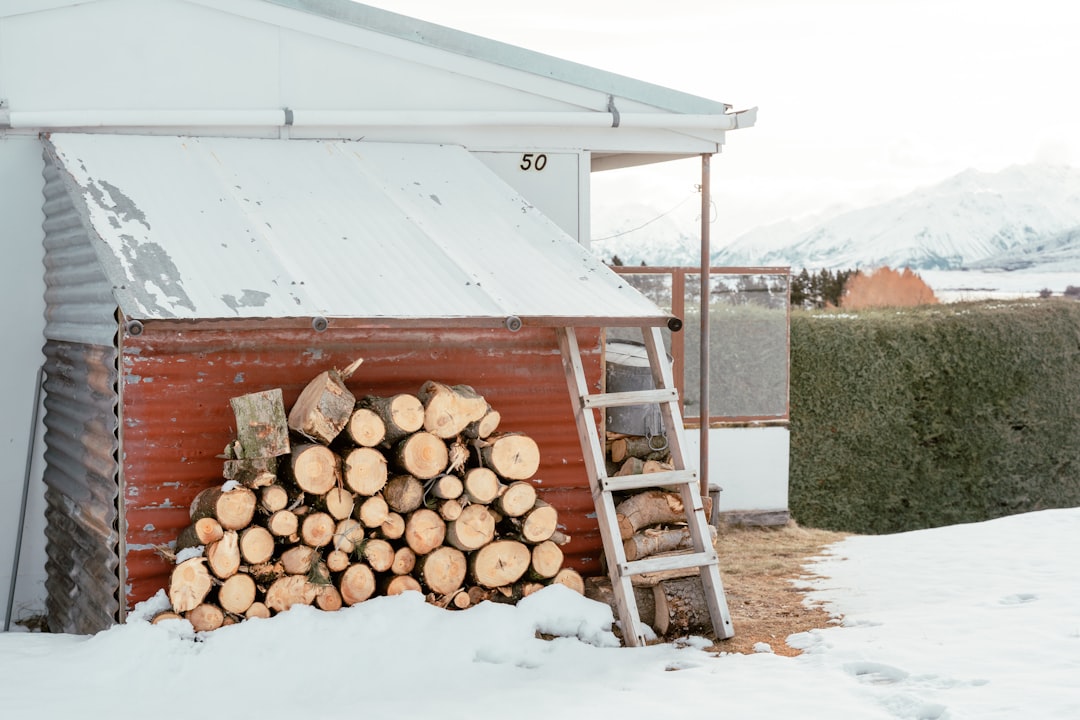
Pre - Winter Yard Preparation: A Smart Move
Pre - Winter Yard Preparation: A Smart Move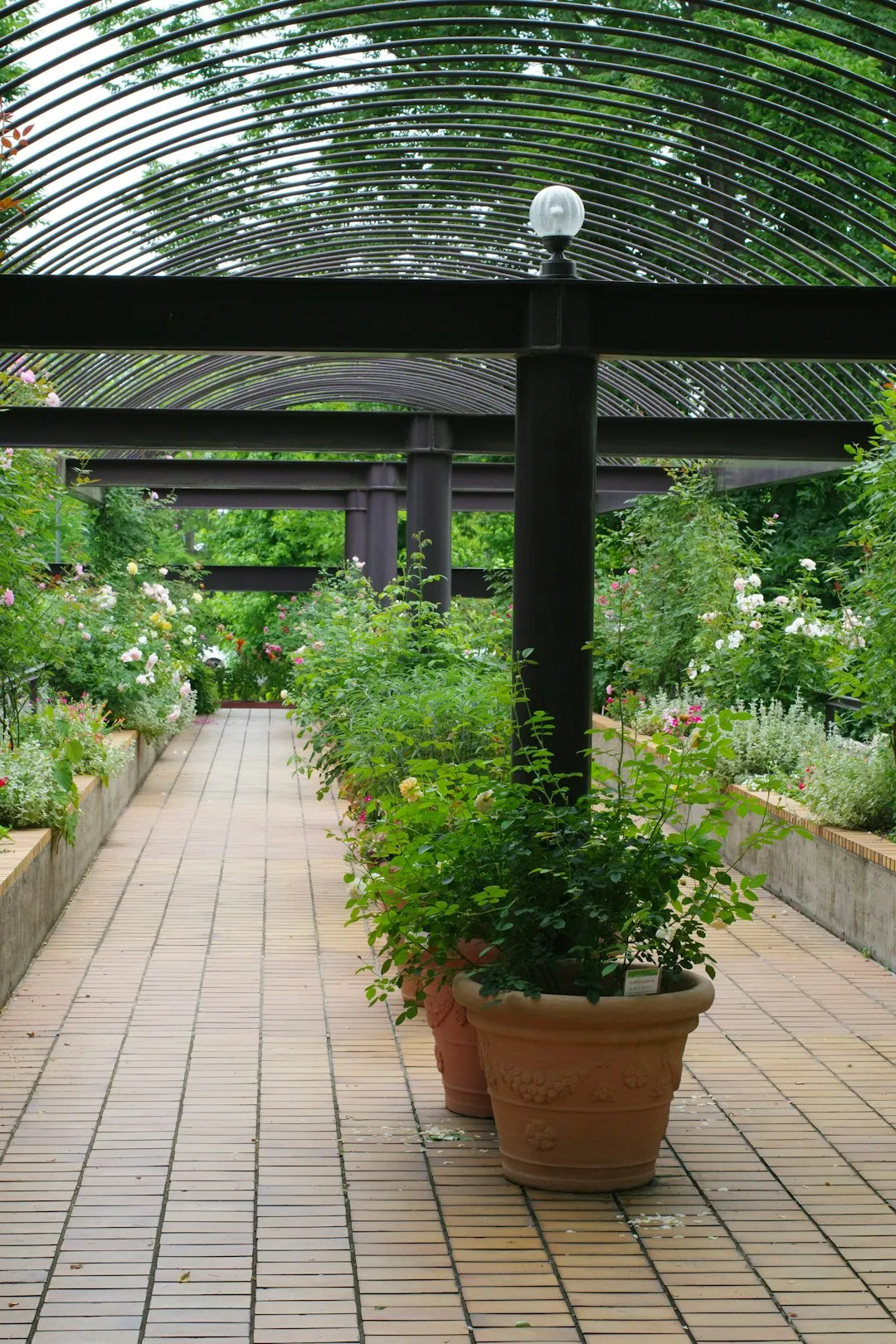
Gardening's Tiny Menace: Cucumber Beetles Unveiled
Gardening's Tiny Menace: Cucumber Beetles Unveiled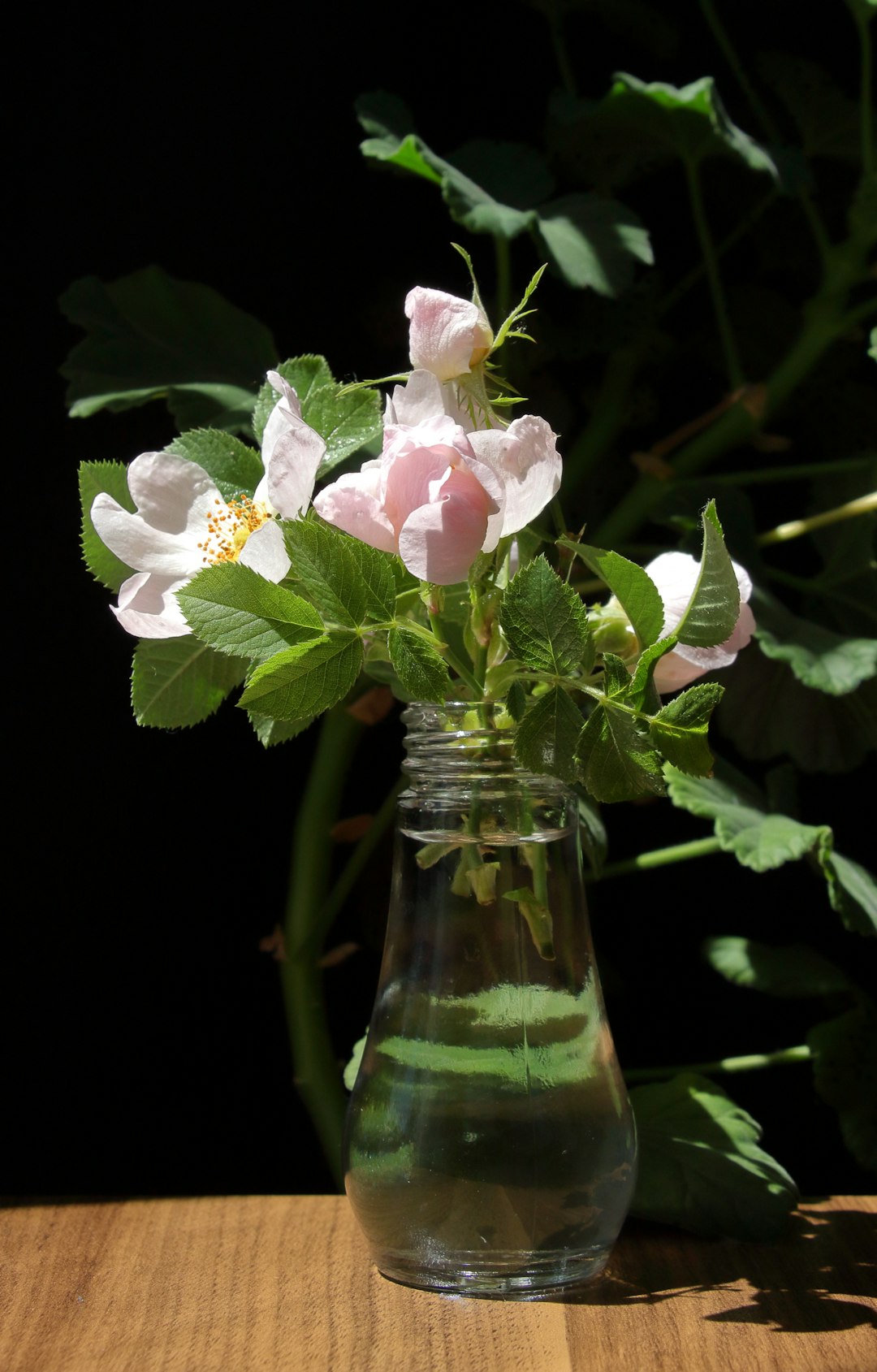
Reclaim Your Container Gardens from Ants
Reclaim Your Container Gardens from Ants
Nature's Defense: Keeping Fleas and Ticks at Bay with Garden Plants
Nature's Defense: Keeping Fleas and Ticks at Bay with Garden Plants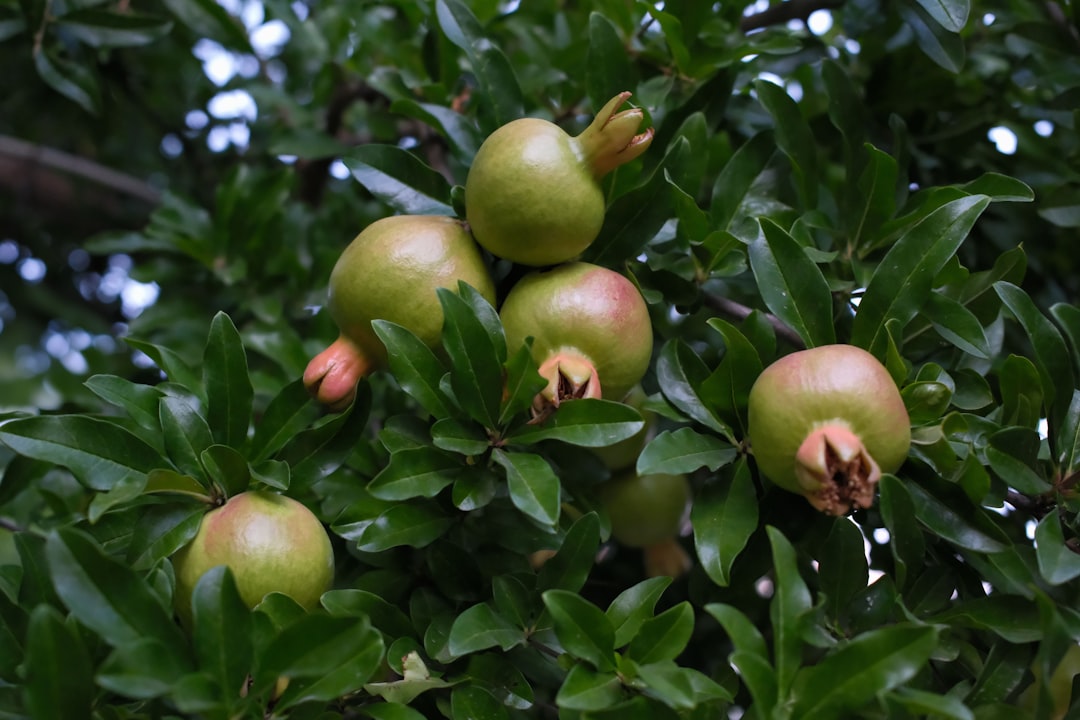
Battling the Tiny Invaders in Your Garden
Battling the Tiny Invaders in Your Garden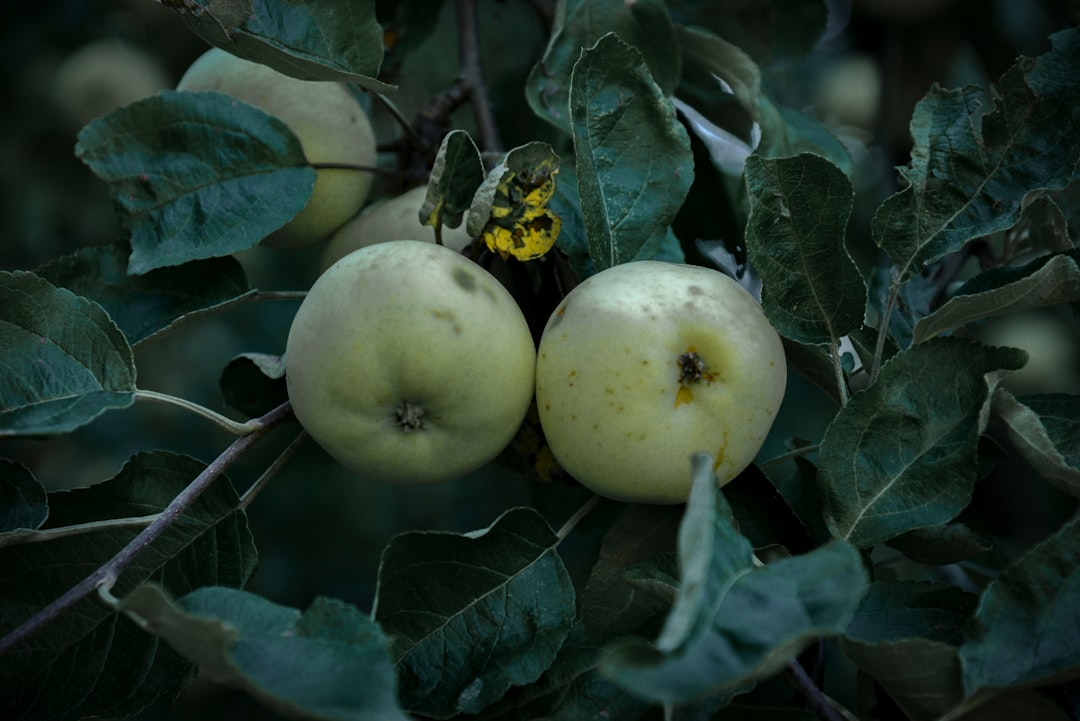
The Hidden Gems of Your Garden: Alpine Strawberries
The Hidden Gems of Your Garden: Alpine Strawberries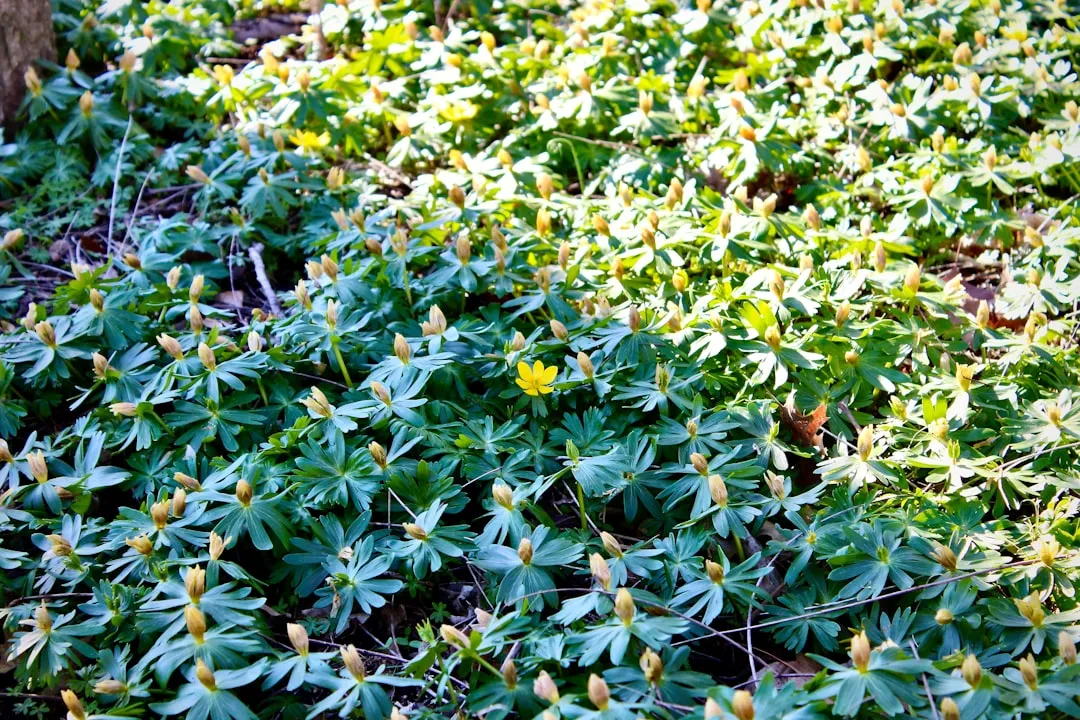
Unveiling the Secrets of Lavender Harvesting
Unveiling the Secrets of Lavender Harvesting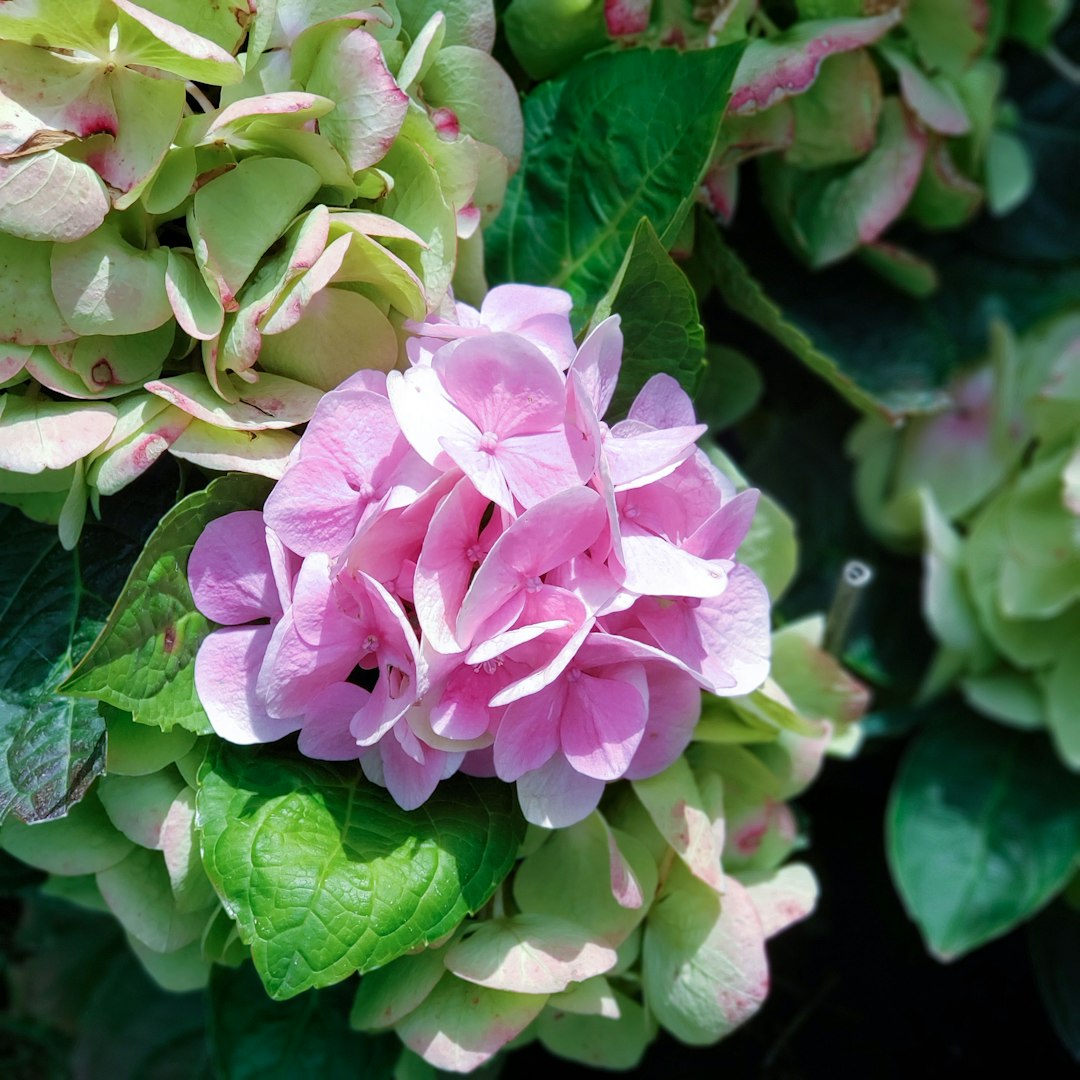
Unveiling the Secrets of Kale Harvesting
Unveiling the Secrets of Kale Harvesting
The Secret to Thriving Indoor Plants: Fertilization Guide
The Secret to Thriving Indoor Plants: Fertilization Guide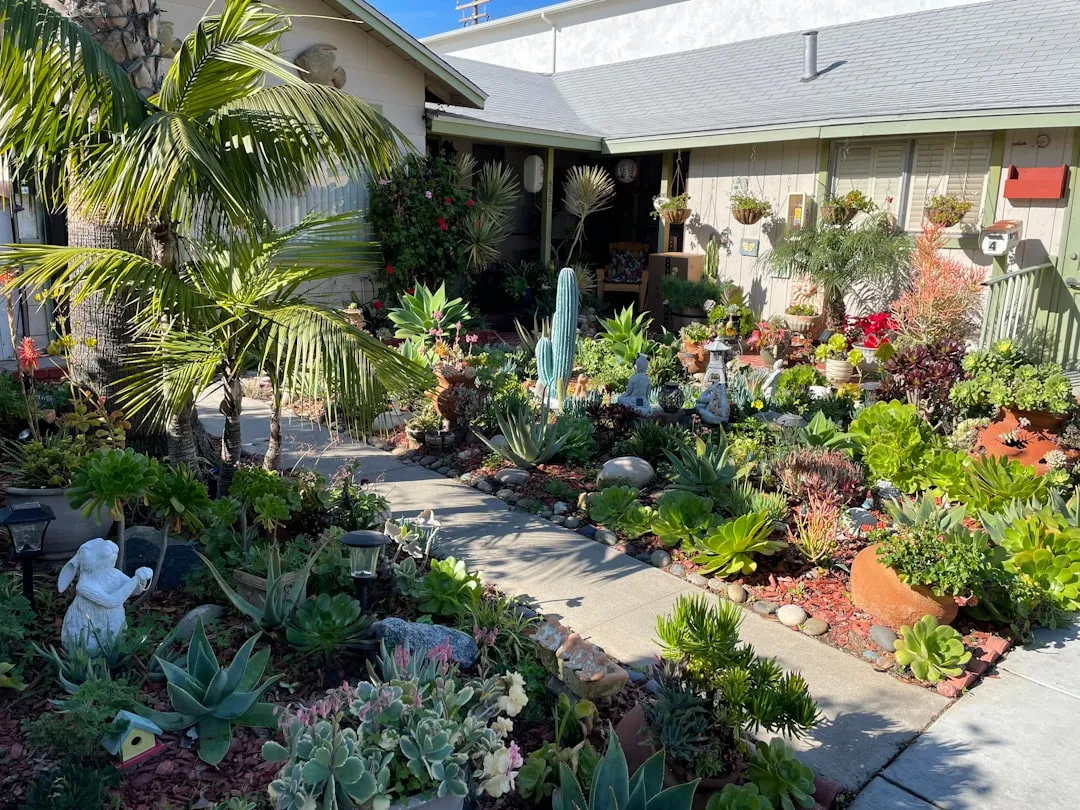
The Secret to Thriving Aloe Vera in Your Home
The Secret to Thriving Aloe Vera in Your Home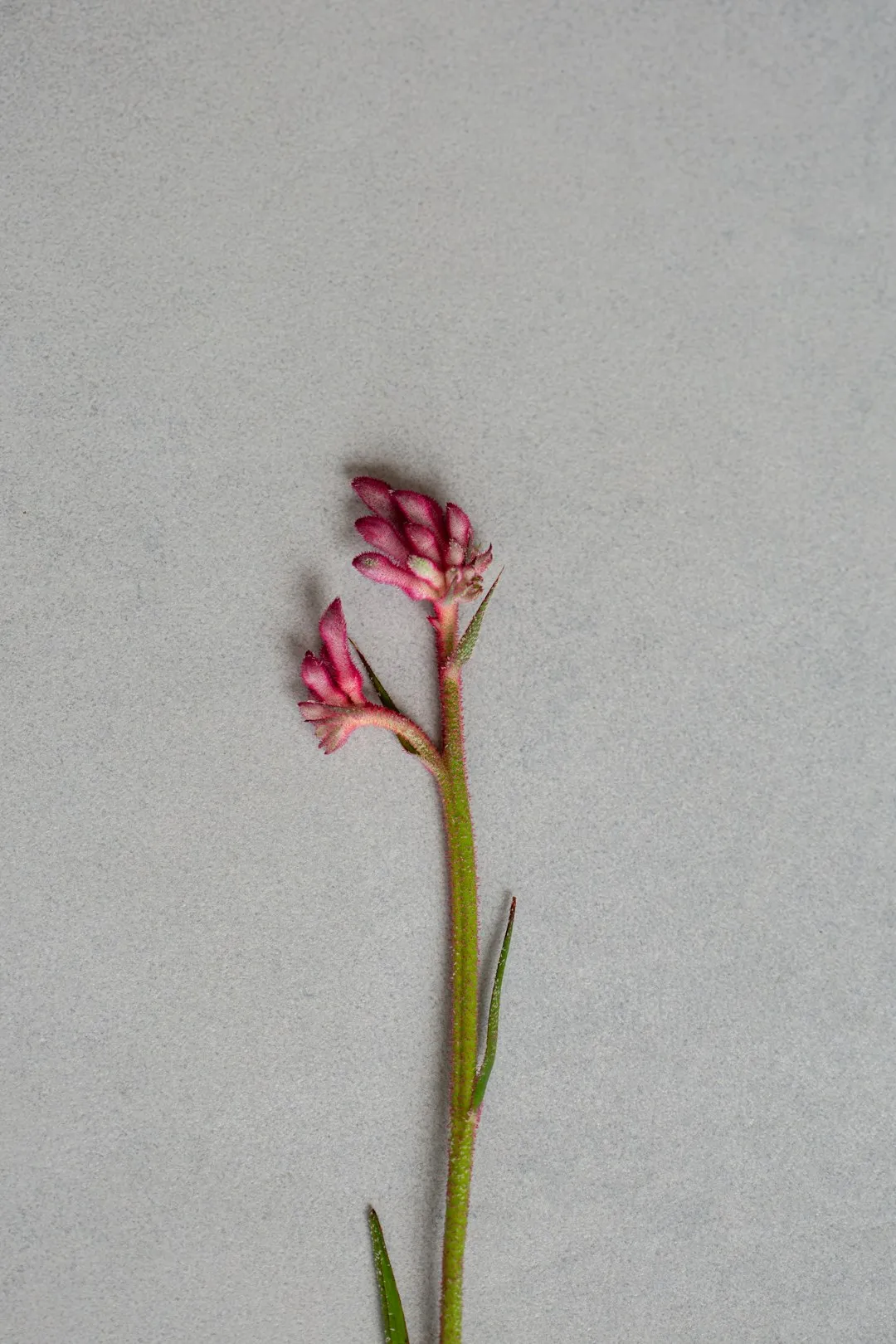
The Secret to Thriving Indoor Plants: Pot Selection
The Secret to Thriving Indoor Plants: Pot Selection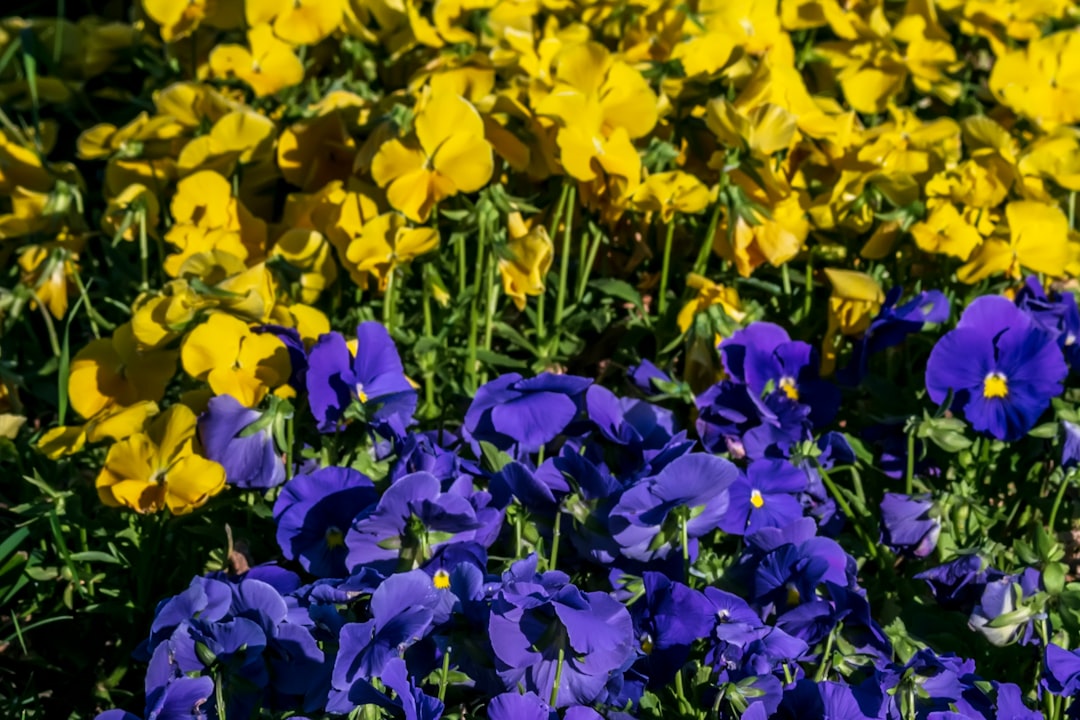
The Allure of Indoor Trees: Elevating Your Space
The Allure of Indoor Trees: Elevating Your Space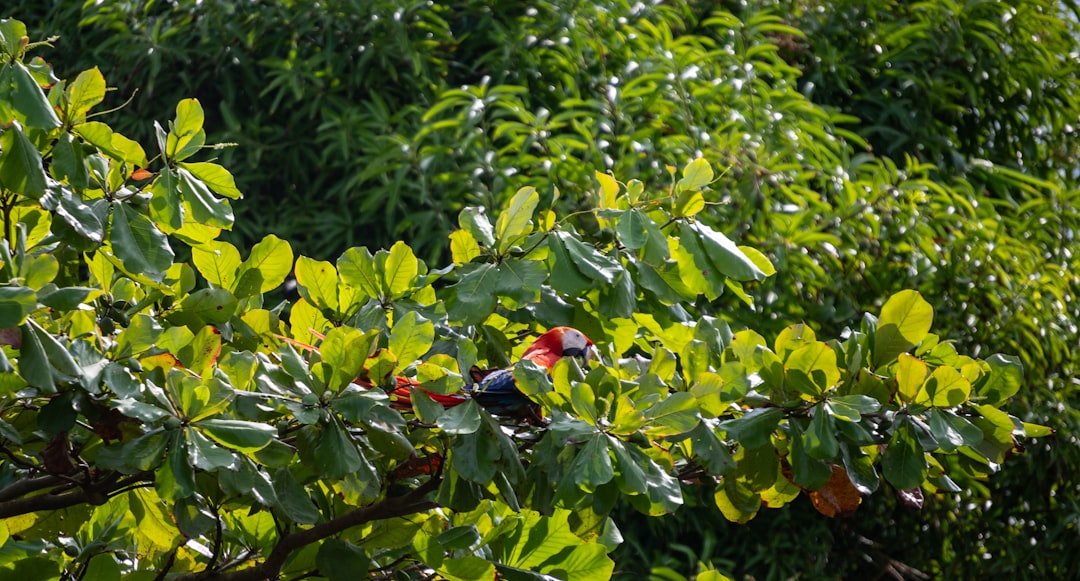
Reviving Your Peace Lily: Unveiling the Secrets Behind Brown-Tipped Leaves
Reviving Your Peace Lily: Unveiling the Secrets Behind Brown-Tipped Leaves
The Secret to Thriving Houseplant Multiplication
The Secret to Thriving Houseplant Multiplication
The Secret to a Thriving Indoor Plant Oasis
The Secret to a Thriving Indoor Plant Oasis


