
As a passionate gardener, nothing can be more disheartening than seeing your beloved squash plants under attack by pesky squash bugs. These little invaders can quickly turn a thriving garden into a disappointing mess. But fear not! In this guide, we'll explore effective natural pest - control tips to get rid of squash bugs, as well as learn how to identify these insects and the damage they cause.
Let's start by understanding what squash bugs are. Squash bugs, scientifically known as Anasa tristis, are common pests in the garden, especially in areas where squash, pumpkins, and cucumbers are grown. They are flat - backed insects that are about half an inch long when fully grown. Adult squash bugs are usually dark gray to brown in color, while the nymphs are smaller and can range from light green to gray. Their eggs are oval - shaped and are laid in clusters on the undersides of leaves, often in a neat row. The eggs start off as a shiny bronze color and turn brown as they mature.
Now, let's talk about the damage they can cause. Squash bugs use their piercing - sucking mouthparts to feed on the sap of plants. This feeding can cause yellow spots on the leaves, which eventually turn brown and crispy. As the infestation progresses, the leaves may wilt and die. In severe cases, the entire plant can be stunted or even killed. Squash bugs can also transmit a disease called cucurbit yellow vine decline, which can lead to the sudden collapse of the plant.
So, how can we get rid of these troublesome bugs? One of the most effective natural methods is hand - picking. This may seem like a tedious task, but it can be quite rewarding. Simply inspect your plants regularly, especially the undersides of the leaves where the bugs and their eggs are often found. Use a pair of tweezers or your fingers (wearing gloves if you prefer) to remove the bugs and eggs. Drop them into a bucket of soapy water to ensure they don't escape. This method is best done in the early morning or late evening when the bugs are less active.
Another natural pest - control option is to use beneficial insects. Ladybugs and lacewings are natural predators of squash bugs. You can attract these beneficial insects to your garden by planting flowers such as dill, fennel, and yarrow. These flowers provide nectar and pollen for the beneficial insects, while also providing a habitat for them to live. Additionally, you can purchase ladybugs and lacewings from a garden center and release them in your garden. However, make sure to release them at the right time, preferably in the evening when it's cooler and the bugs are more likely to stay in your garden.
Companion planting is also a great strategy. Certain plants can help repel squash bugs. For example, nasturtiums are known to repel squash bugs. Plant nasturtiums around your squash plants to create a natural barrier. Other companion plants include marigolds, which not only repel squash bugs but also attract beneficial insects. The strong scent of these plants can mask the smell of the squash plants, making it harder for the bugs to find them.
Neem oil is a popular natural insecticide that can be used to control squash bugs. Neem oil is derived from the neem tree and has insecticidal and fungicidal properties. Mix neem oil with water according to the instructions on the label and spray it on your plants. Make sure to cover both the tops and undersides of the leaves. Neem oil works by disrupting the insect's hormonal system, preventing them from feeding and reproducing. It's important to note that neem oil should be applied in the early morning or late evening to avoid burning the plants.
Diatomaceous earth is another effective natural remedy. Diatomaceous earth is made from the fossilized remains of diatoms, a type of algae. It has sharp edges that can cut through the exoskeleton of the squash bugs, causing them to dehydrate and die. Sprinkle diatomaceous earth around the base of your plants and on the leaves. However, be careful when using diatomaceous earth as it can also harm beneficial insects. Only apply it when necessary and avoid applying it in windy conditions.
Maintaining a clean garden is also crucial in preventing squash bug infestations. Remove any dead or decaying plant material from your garden, as this can provide a hiding place for the bugs. After the growing season, clean up your garden thoroughly and till the soil to expose any overwintering bugs. This can help reduce the population of squash bugs in the following year.
In conclusion, getting rid of squash bugs doesn't have to involve harsh chemicals. By using these natural pest - control tips, you can protect your squash plants and enjoy a healthy, bug - free garden. Remember to regularly inspect your plants, use beneficial insects, practice companion planting, and keep your garden clean. With a little effort and patience, you can overcome the challenge of squash bugs and have a thriving garden.
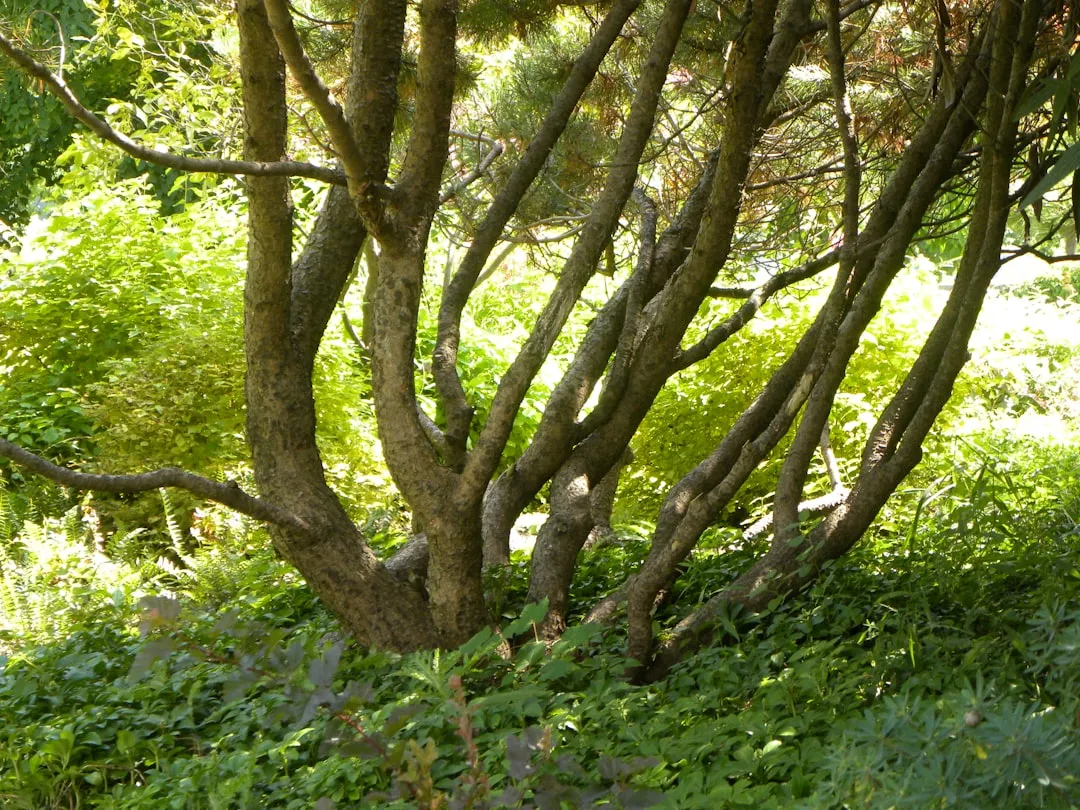
The Enchanting Allure of the Hawthorn Tree
The Enchanting Allure of the Hawthorn Tree
The Magic of Low - Maintenance Shade Trees in Your Landscape
The Magic of Low - Maintenance Shade Trees in Your Landscape
Blue Hydrangeas: A Splash of Color in Your Garden
Blue Hydrangeas: A Splash of Color in Your Garden
Unveiling the Mysteries of Lawn Mushroom Circles and Prevention Tips
Unveiling the Mysteries of Lawn Mushroom Circles and Prevention Tips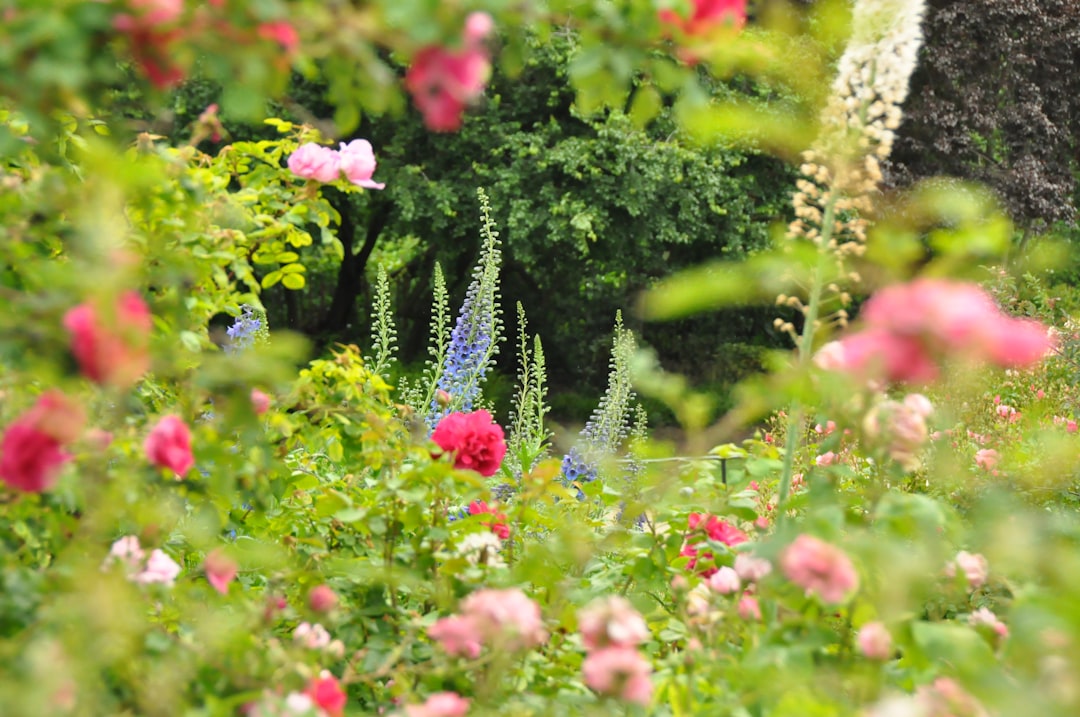
The Secret to a Thriving Yard: Fertilizer Mastery
The Secret to a Thriving Yard: Fertilizer Mastery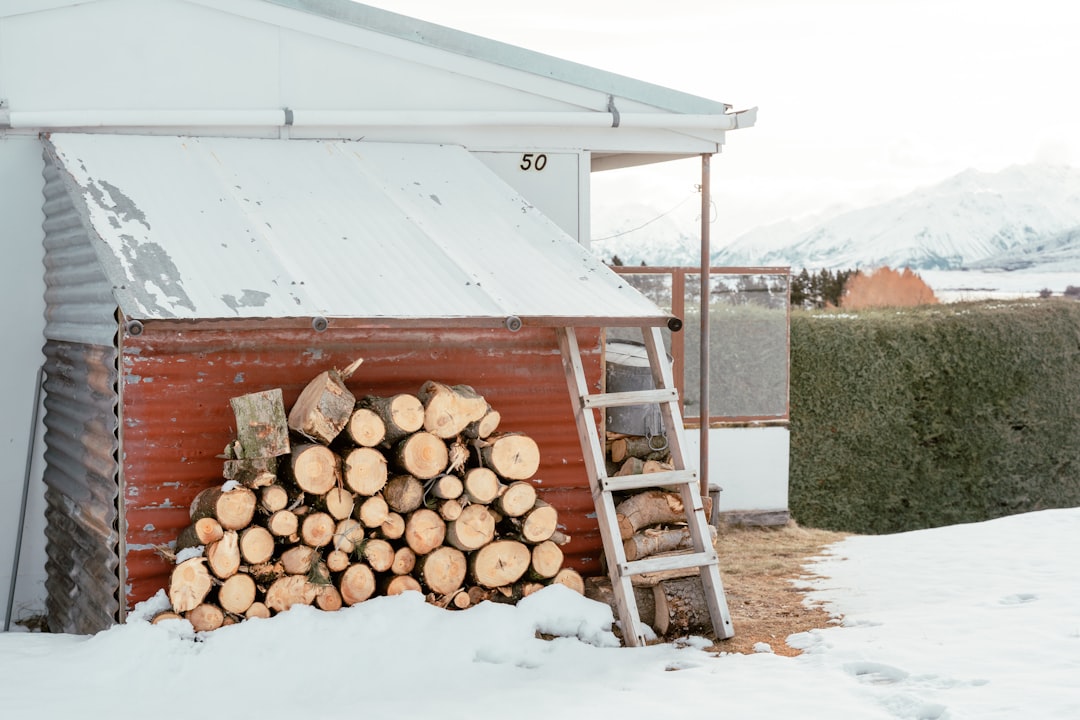
Pre - Winter Yard Preparation: A Smart Move
Pre - Winter Yard Preparation: A Smart Move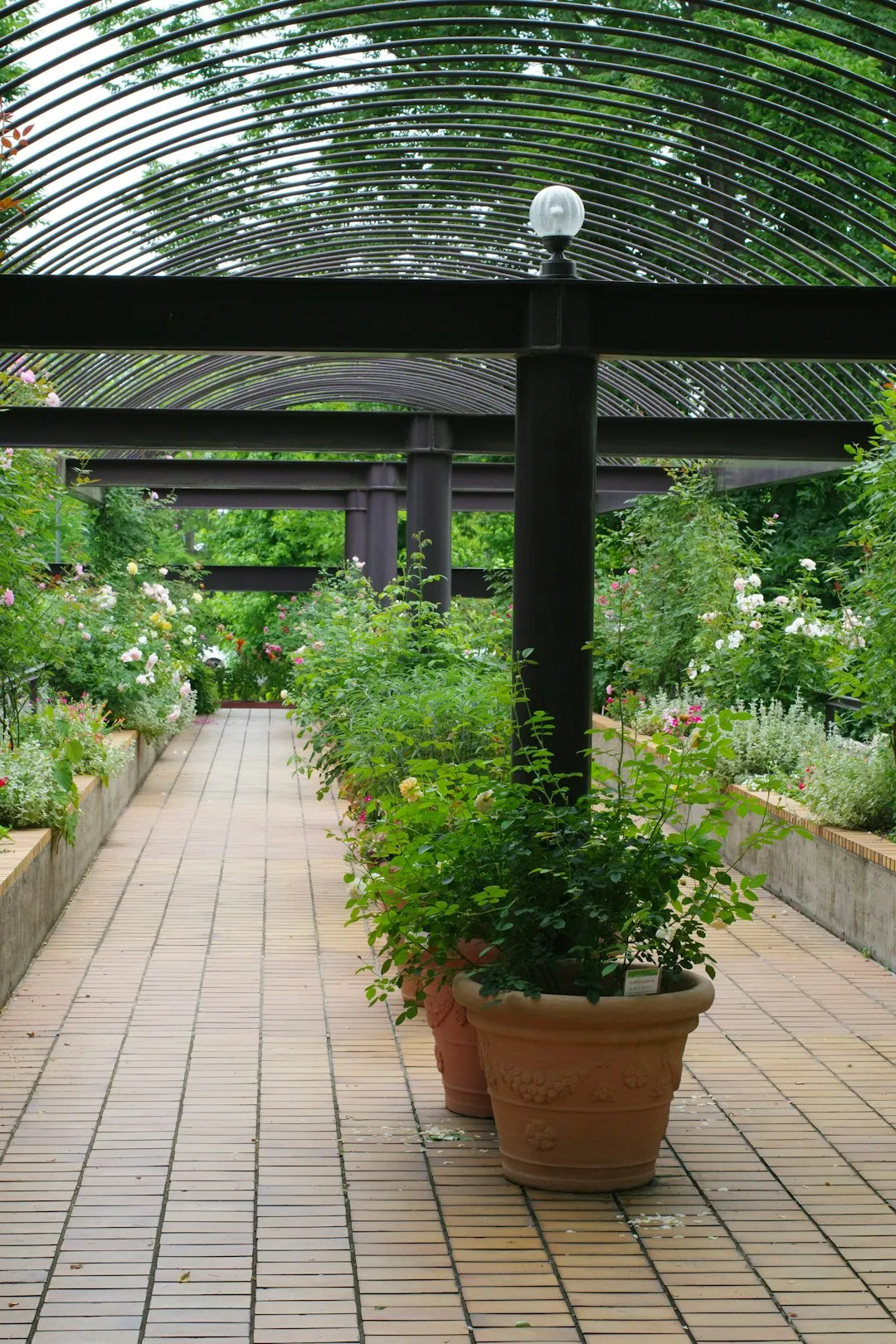
Gardening's Tiny Menace: Cucumber Beetles Unveiled
Gardening's Tiny Menace: Cucumber Beetles Unveiled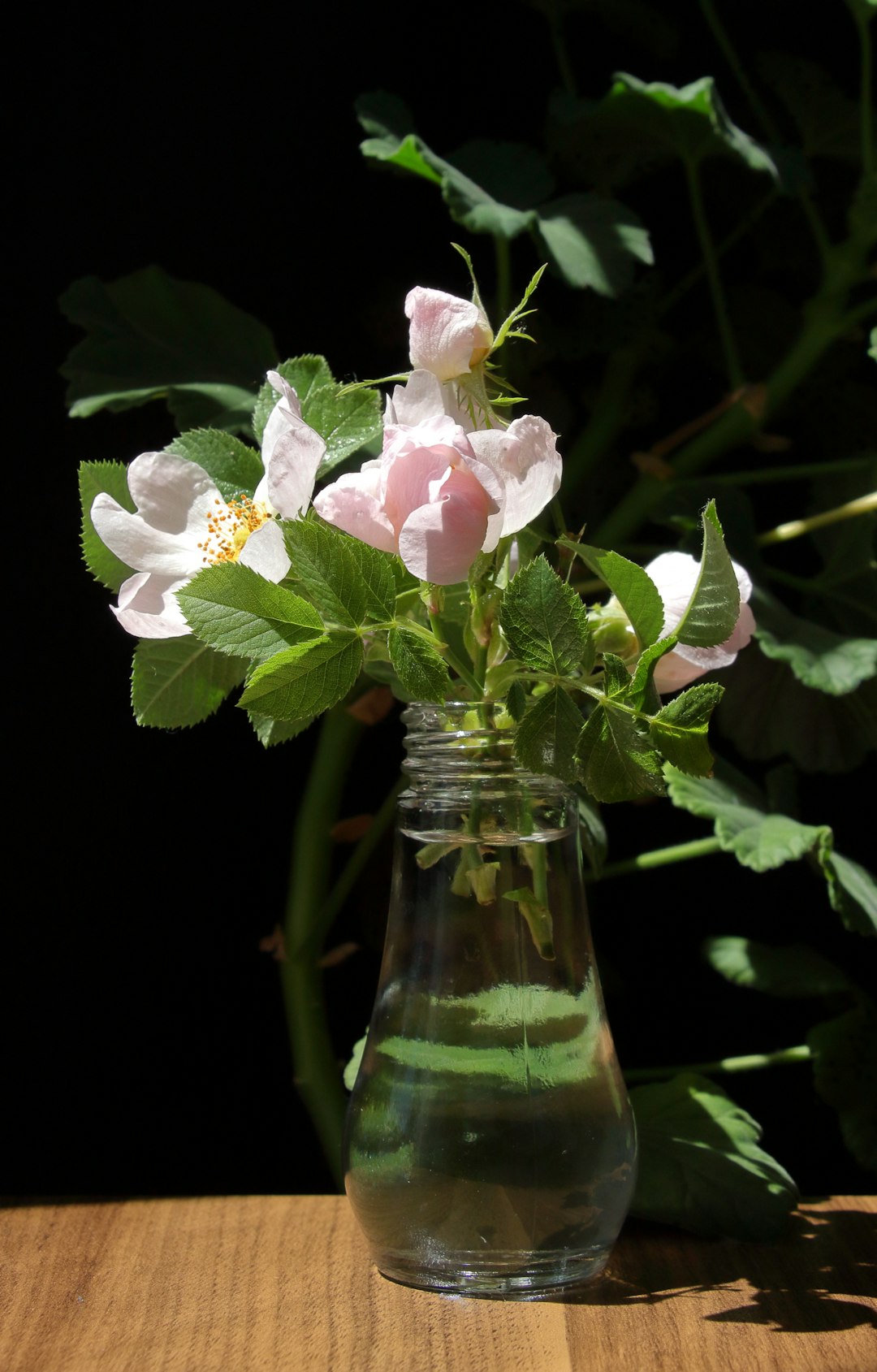
Reclaim Your Container Gardens from Ants
Reclaim Your Container Gardens from Ants
Nature's Defense: Keeping Fleas and Ticks at Bay with Garden Plants
Nature's Defense: Keeping Fleas and Ticks at Bay with Garden Plants
Battling the Tiny Invaders in Your Garden
Battling the Tiny Invaders in Your Garden
The Hidden Gems of Your Garden: Alpine Strawberries
The Hidden Gems of Your Garden: Alpine Strawberries
Unveiling the Secrets of Lavender Harvesting
Unveiling the Secrets of Lavender Harvesting
Unveiling the Secrets of Kale Harvesting
Unveiling the Secrets of Kale Harvesting
The Secret to Thriving Indoor Plants: Fertilization Guide
The Secret to Thriving Indoor Plants: Fertilization Guide
The Secret to Thriving Aloe Vera in Your Home
The Secret to Thriving Aloe Vera in Your Home
The Secret to Thriving Indoor Plants: Pot Selection
The Secret to Thriving Indoor Plants: Pot Selection
The Allure of Indoor Trees: Elevating Your Space
The Allure of Indoor Trees: Elevating Your Space
Reviving Your Peace Lily: Unveiling the Secrets Behind Brown-Tipped Leaves
Reviving Your Peace Lily: Unveiling the Secrets Behind Brown-Tipped Leaves
The Secret to Thriving Houseplant Multiplication
The Secret to Thriving Houseplant Multiplication
The Secret to a Thriving Indoor Plant Oasis
The Secret to a Thriving Indoor Plant Oasis


