
In the idyllic world of gardening, where the beauty of blooming flowers and lush greenery captivates our senses, there lurk hidden dangers in the form of harmful weeds. These uninvited guests can not only disrupt the aesthetic appeal of your garden but also pose a significant threat to your skin. In this article, we will delve into the identification of these toxic weeds and explore the areas where they are likely to grow, enabling you to take proactive measures to safeguard your skin from their harmful effects.
One of the most notorious weeds that can cause skin damage is Poison Ivy. This plant is well - known for its ability to trigger an allergic reaction in many individuals. Poison Ivy typically has three leaflets, with the middle leaflet being larger than the two side ones. The leaves are shiny and can range in color from green to red, depending on the season. It can grow as a vine that climbs up trees or fences, or as a low - lying shrub. When you come into contact with Poison Ivy, the plant's oil, called urushiol, binds to your skin and causes an itchy, red rash that can be extremely uncomfortable. In severe cases, blisters may form, and the rash can spread if not properly treated.
Another troublesome weed is Giant Hogweed. This towering plant can reach heights of up to 14 feet. Its leaves are large, deeply lobed, and can span up to 5 feet across. The stem is thick, hollow, and covered in purple blotches and coarse hairs. Giant Hogweed contains a sap that is photosensitive. When the sap comes into contact with your skin and is then exposed to sunlight, it can cause severe burns, blisters, and long - term scarring. It often grows in moist, open areas such as riverbanks, ditches, and along roadsides.
Stinging Nettle is also a common garden pest. It has serrated leaves and small, greenish - white flowers. The plant is covered in tiny, stinging hairs that release a mixture of chemicals, including formic acid, when touched. This results in an immediate stinging and burning sensation on the skin, followed by redness and itching. Stinging Nettle prefers rich, moist soil and can be found in gardens, meadows, and along the edges of woods.
To identify these weeds accurately, it is essential to pay close attention to their physical characteristics. Take the time to study pictures of each weed and familiarize yourself with their unique features. When you are in your garden, wear protective clothing, such as long - sleeved shirts, long pants, and gloves. This will act as a barrier between your skin and the potentially harmful plants.
If you suspect that you have come into contact with a toxic weed, it is crucial to act quickly. Wash the affected area with soap and water as soon as possible to remove any plant oils or sap. Avoid scratching the area, as this can lead to further irritation and increase the risk of infection. If the symptoms are severe or do not improve after a few days, seek medical attention.
Preventing the growth of these harmful weeds in your garden is also an effective way to protect your skin. Regularly inspect your garden for any signs of these plants and remove them promptly. You can use a hoe or a weed - pulling tool to carefully uproot the weeds, making sure to get the entire root system. Applying a layer of mulch to your garden beds can also help suppress weed growth by blocking sunlight and preventing weed seeds from germinating.
In conclusion, being aware of the harmful weeds that can grow in your garden and knowing how to identify them is crucial for protecting your skin. By taking the necessary precautions, such as wearing protective clothing, acting quickly if exposed, and preventing weed growth, you can enjoy a beautiful and safe garden environment. Remember, a little knowledge and proactive action can go a long way in keeping these pesky weeds at bay and ensuring the health of your skin.
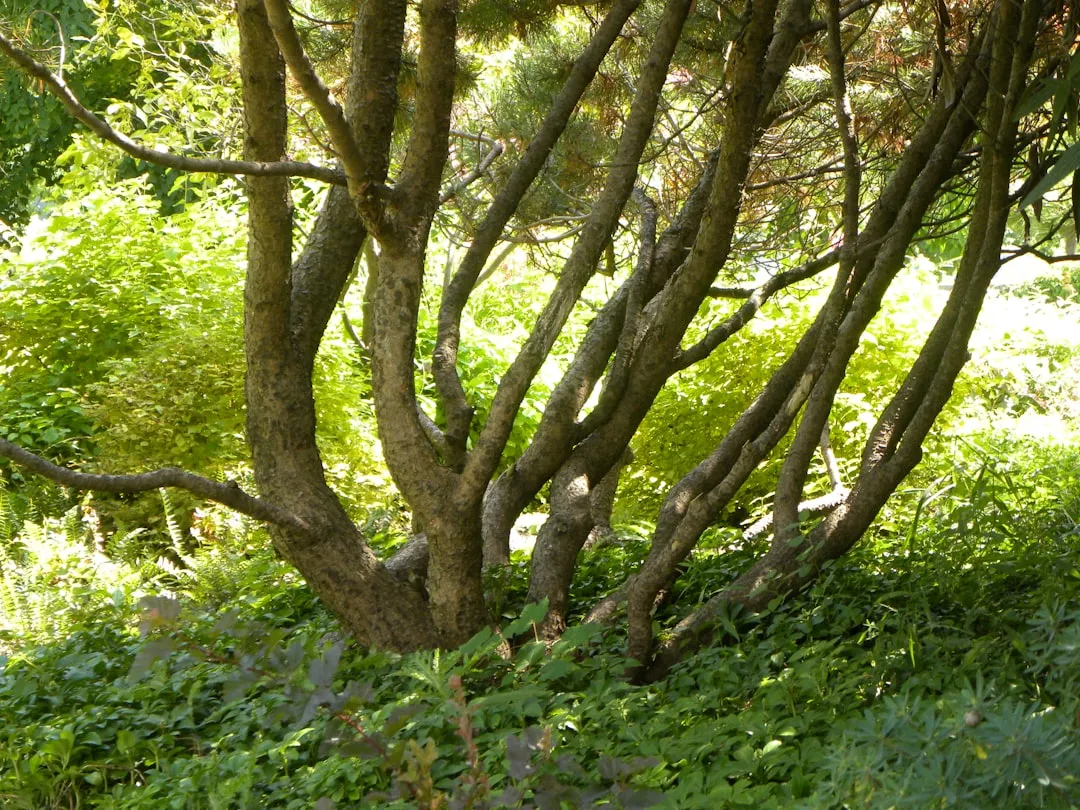
The Enchanting Allure of the Hawthorn Tree
The Enchanting Allure of the Hawthorn Tree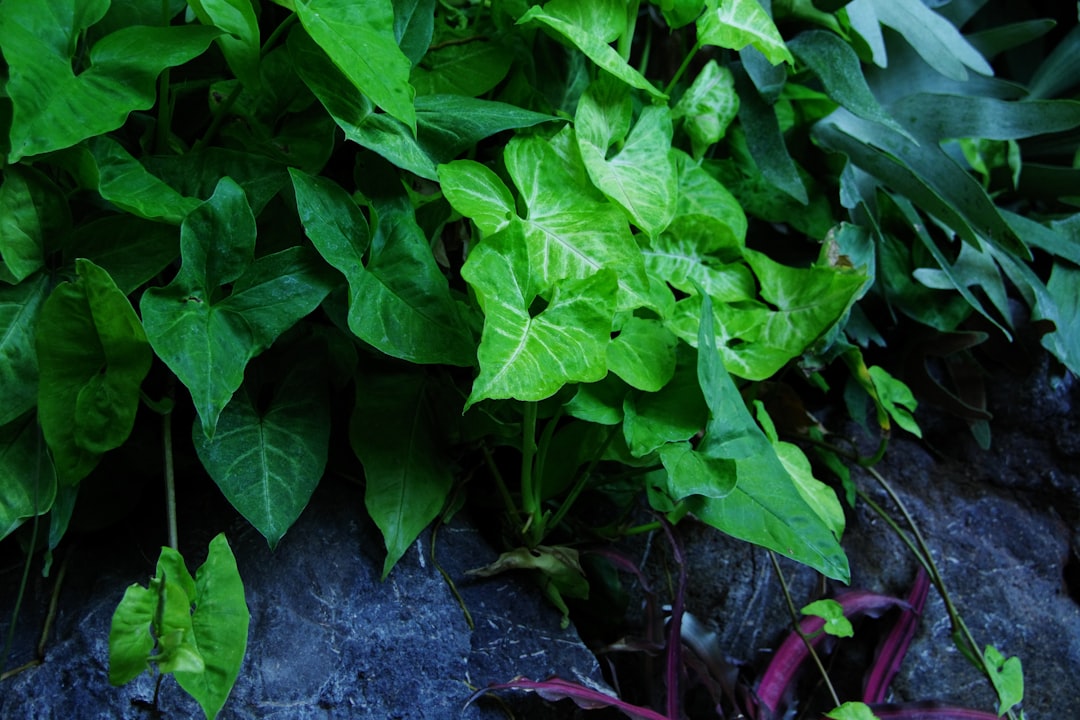
The Magic of Low - Maintenance Shade Trees in Your Landscape
The Magic of Low - Maintenance Shade Trees in Your Landscape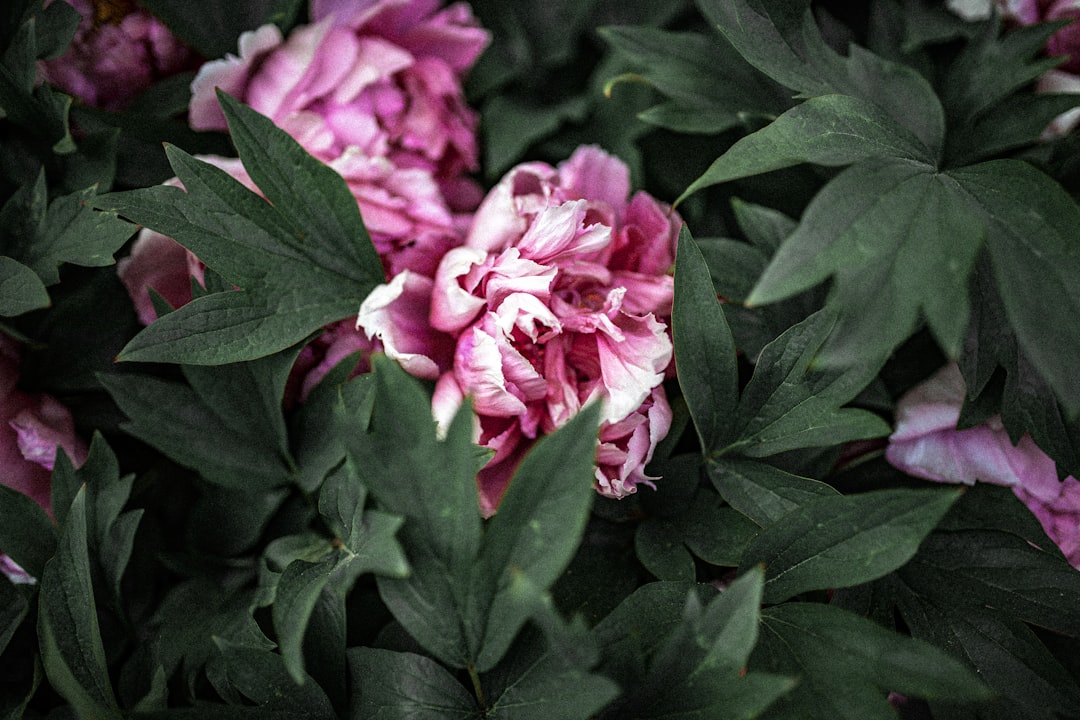
Blue Hydrangeas: A Splash of Color in Your Garden
Blue Hydrangeas: A Splash of Color in Your Garden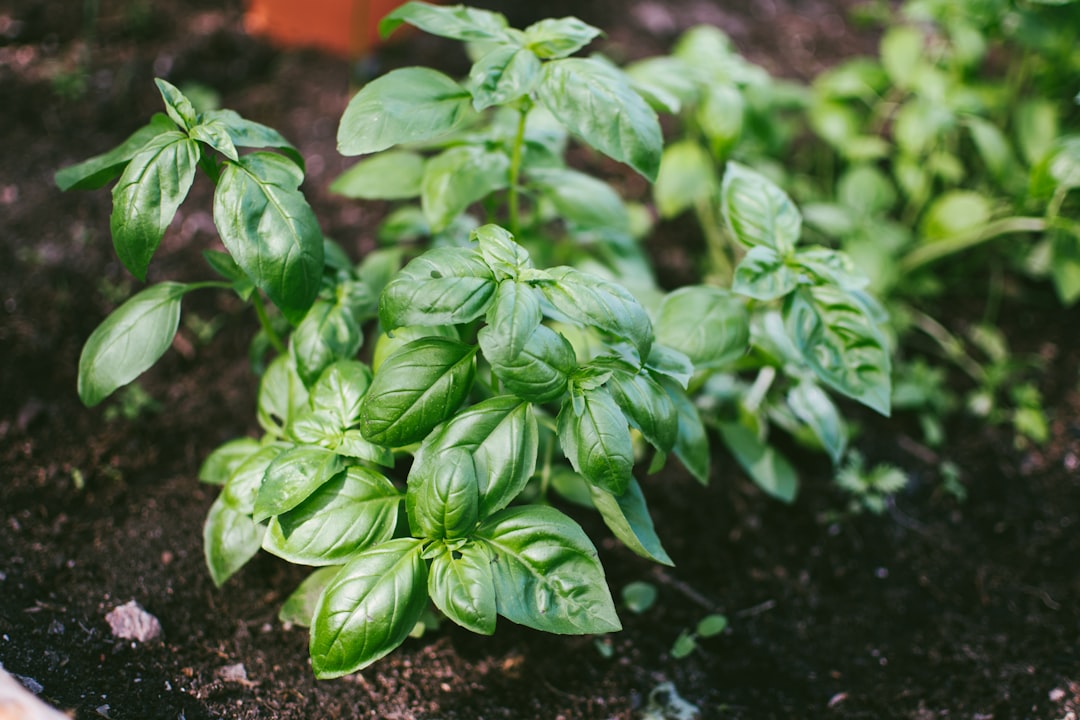
Unveiling the Mysteries of Lawn Mushroom Circles and Prevention Tips
Unveiling the Mysteries of Lawn Mushroom Circles and Prevention Tips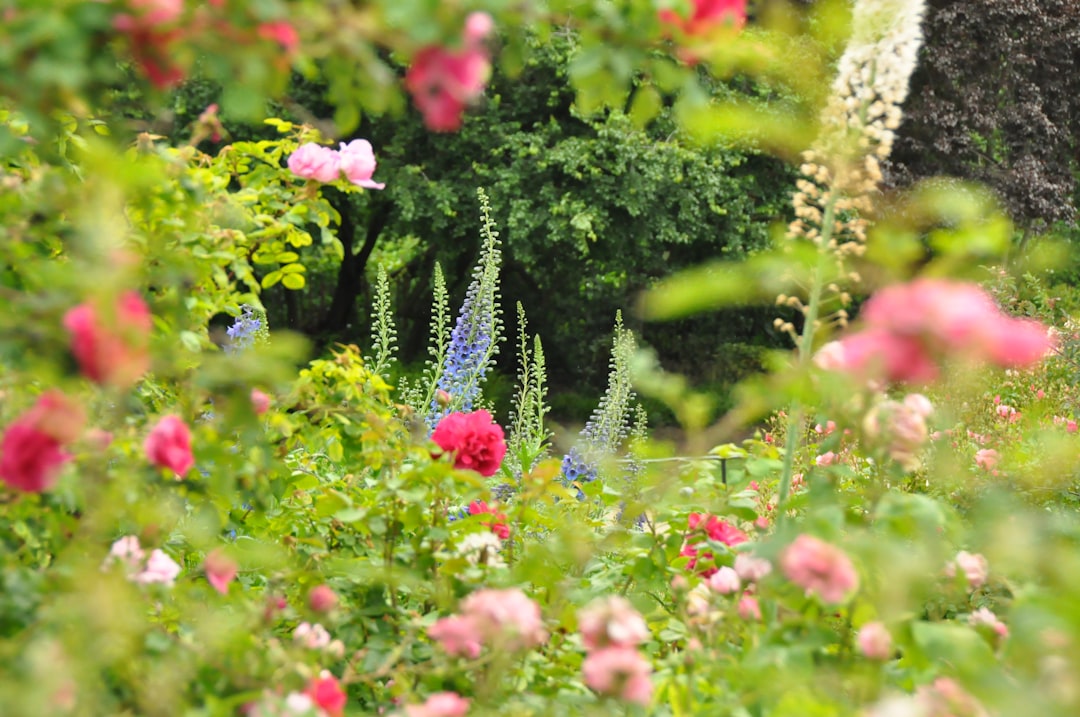
The Secret to a Thriving Yard: Fertilizer Mastery
The Secret to a Thriving Yard: Fertilizer Mastery
Pre - Winter Yard Preparation: A Smart Move
Pre - Winter Yard Preparation: A Smart Move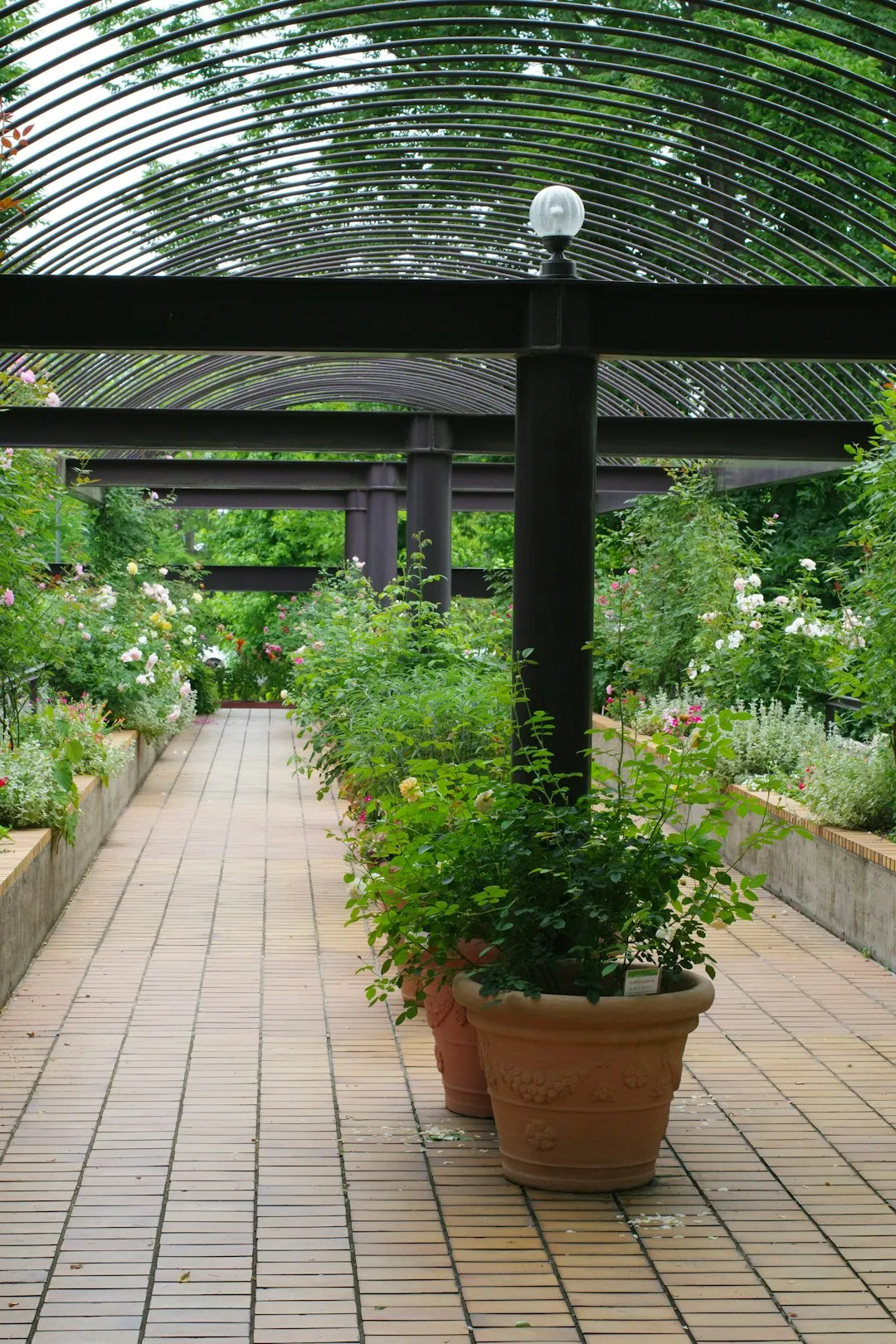
Gardening's Tiny Menace: Cucumber Beetles Unveiled
Gardening's Tiny Menace: Cucumber Beetles Unveiled
Reclaim Your Container Gardens from Ants
Reclaim Your Container Gardens from Ants
Nature's Defense: Keeping Fleas and Ticks at Bay with Garden Plants
Nature's Defense: Keeping Fleas and Ticks at Bay with Garden Plants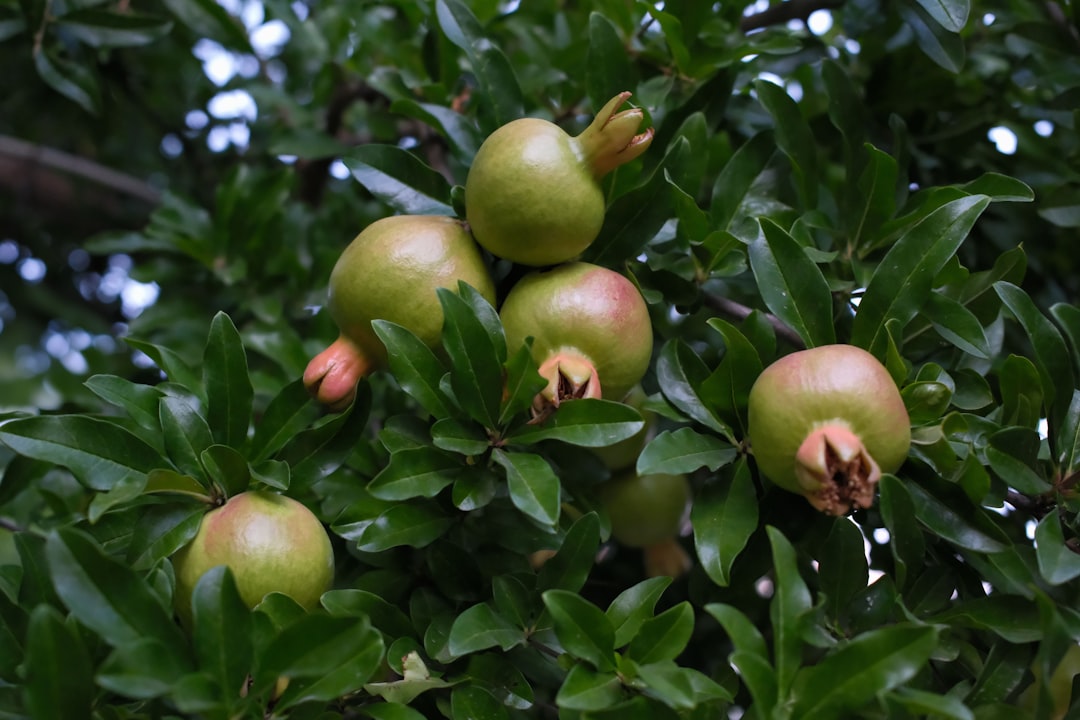
Battling the Tiny Invaders in Your Garden
Battling the Tiny Invaders in Your Garden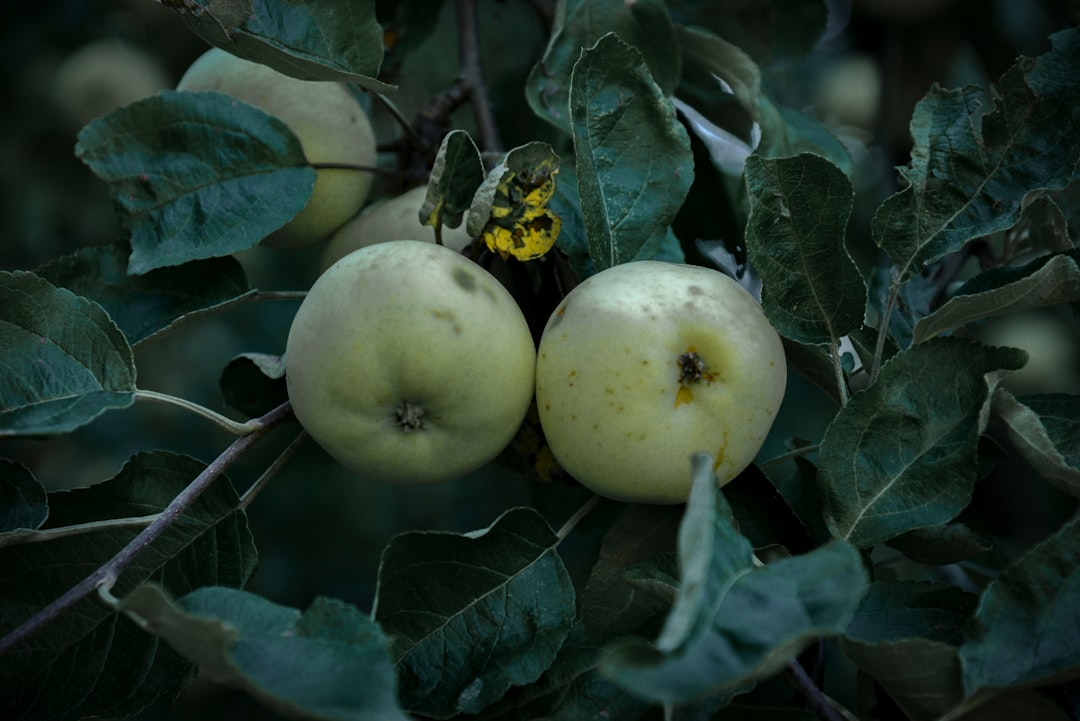
The Hidden Gems of Your Garden: Alpine Strawberries
The Hidden Gems of Your Garden: Alpine Strawberries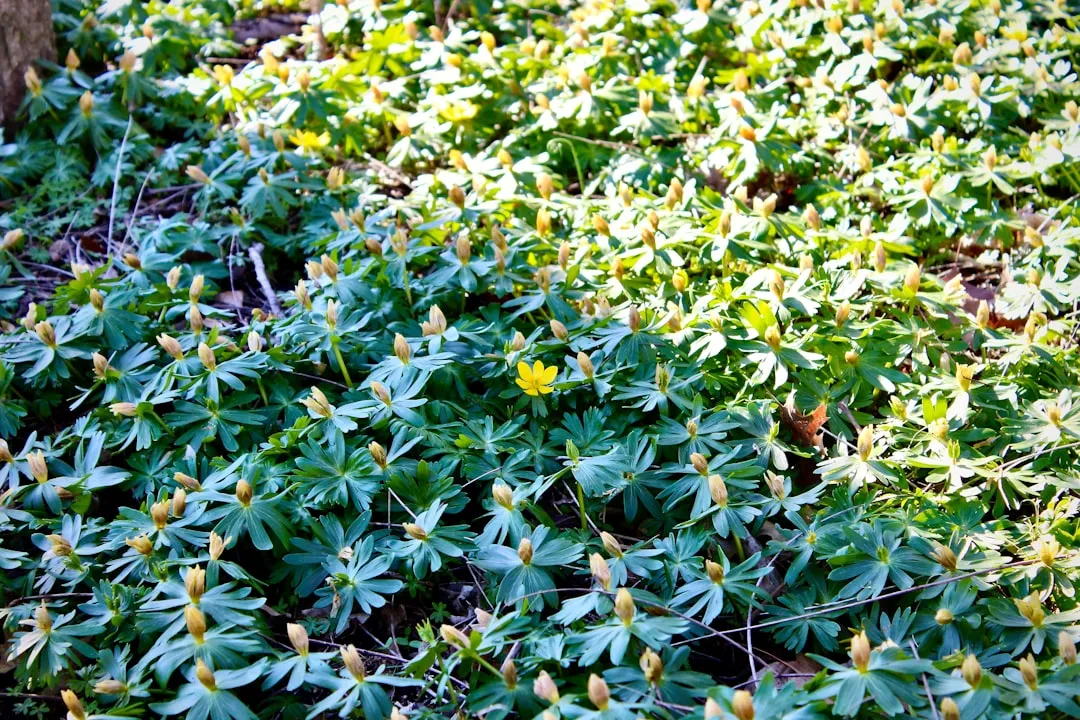
Unveiling the Secrets of Lavender Harvesting
Unveiling the Secrets of Lavender Harvesting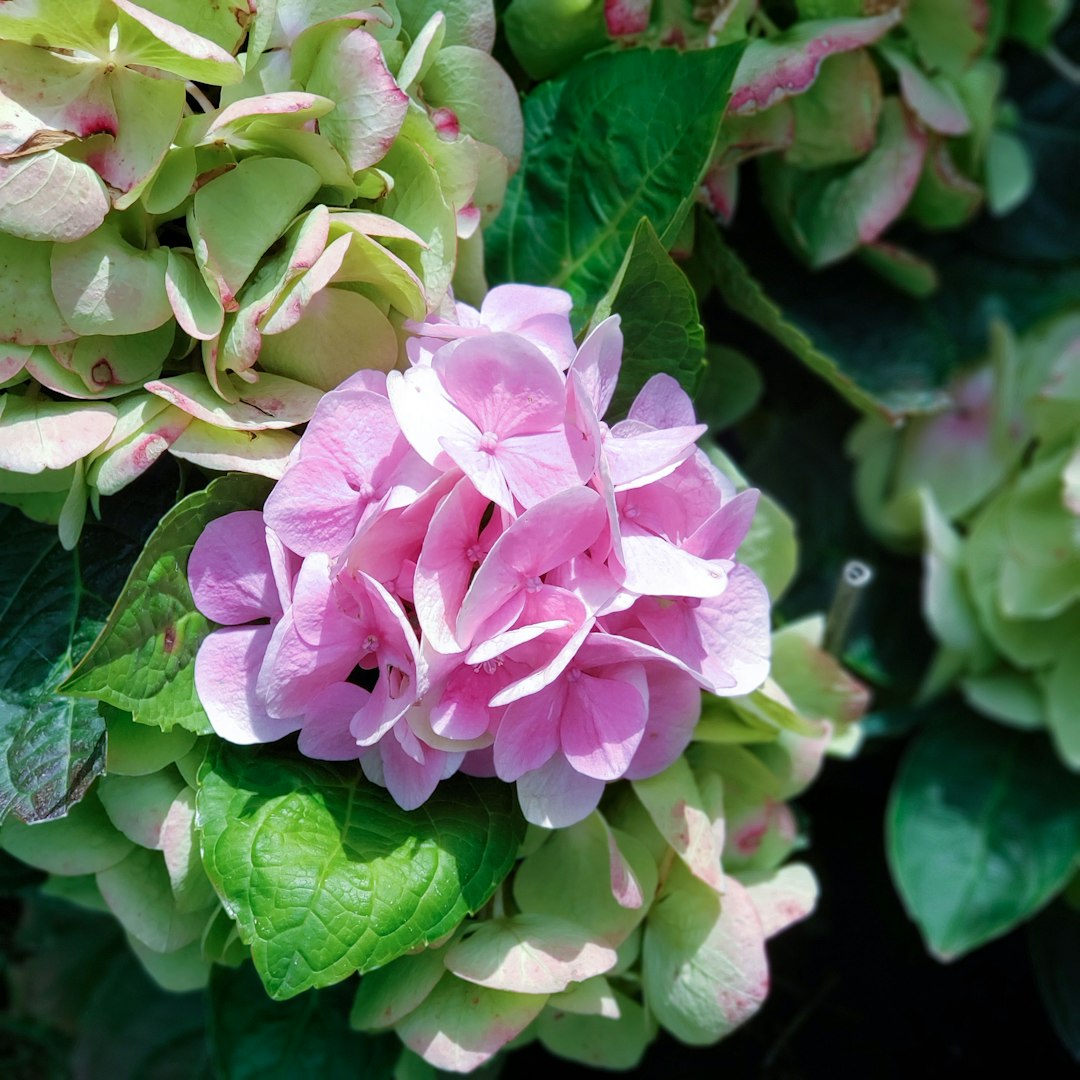
Unveiling the Secrets of Kale Harvesting
Unveiling the Secrets of Kale Harvesting
The Secret to Thriving Indoor Plants: Fertilization Guide
The Secret to Thriving Indoor Plants: Fertilization Guide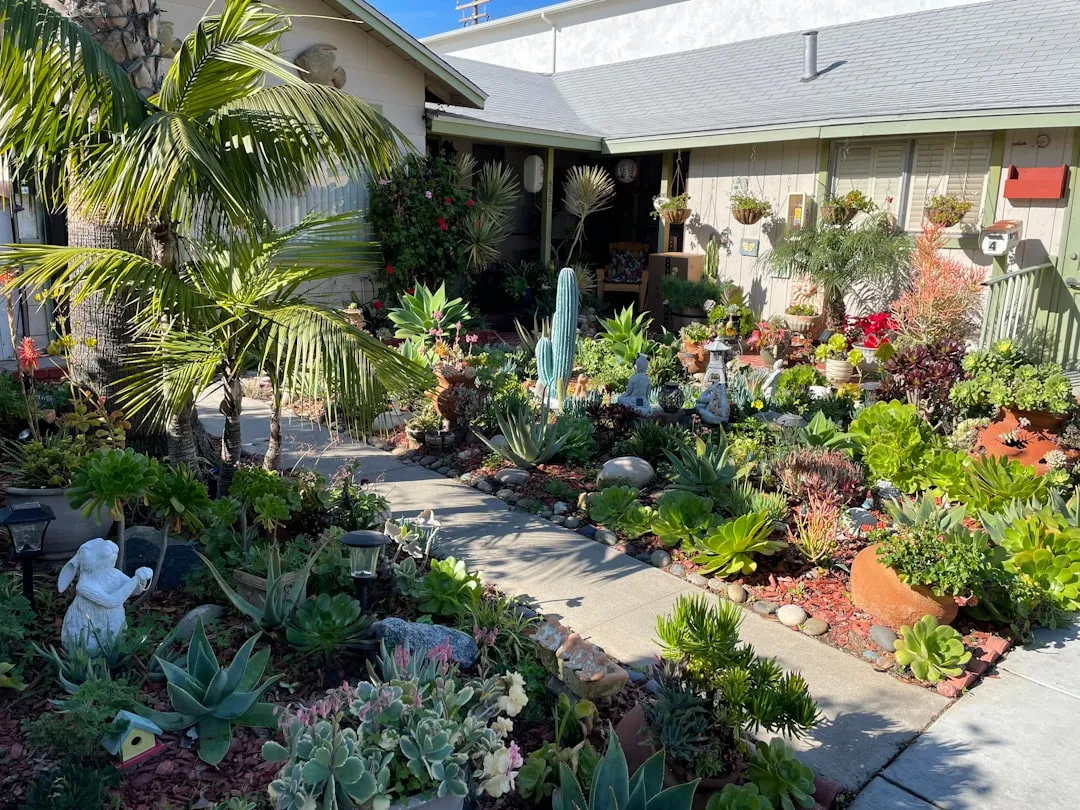
The Secret to Thriving Aloe Vera in Your Home
The Secret to Thriving Aloe Vera in Your Home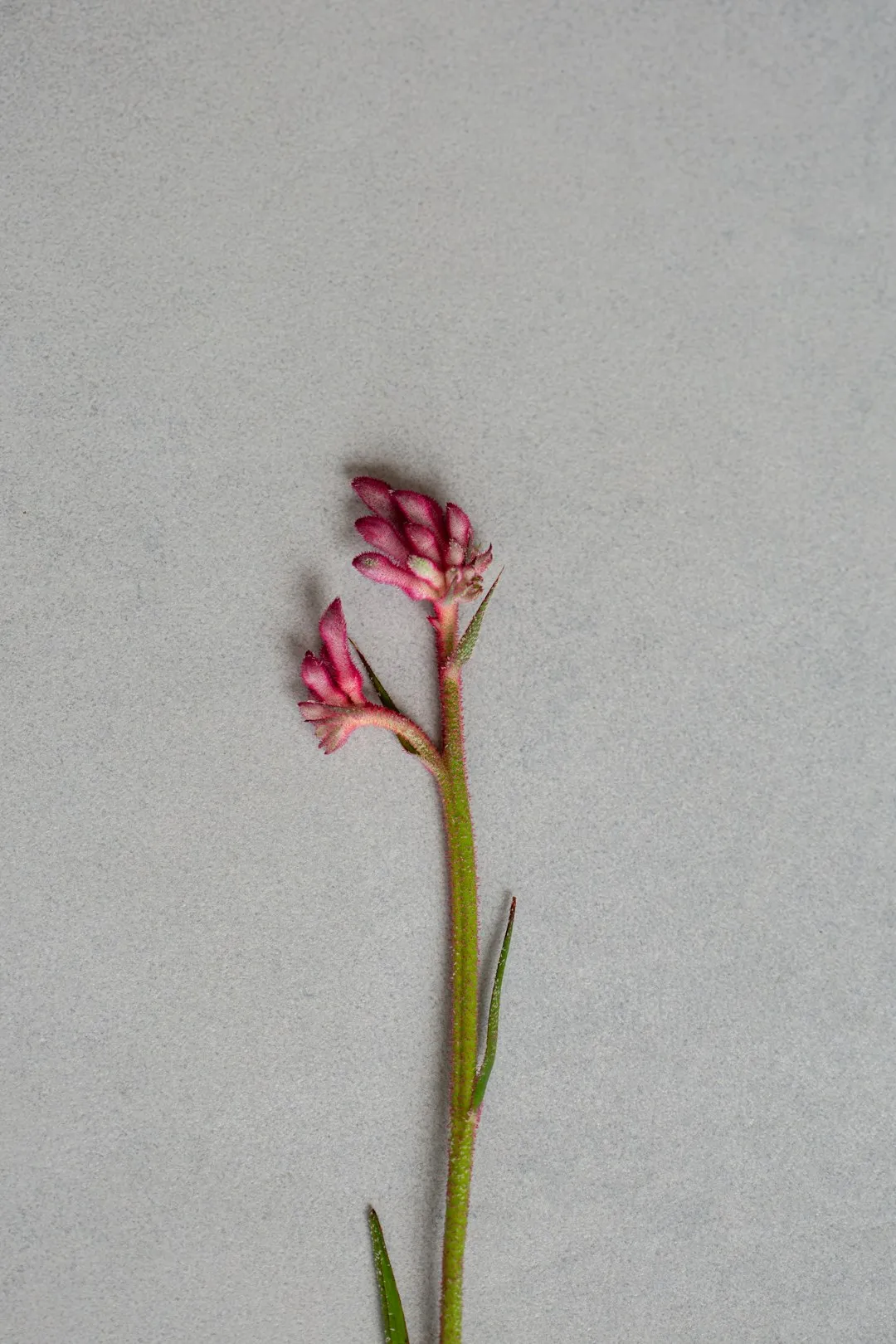
The Secret to Thriving Indoor Plants: Pot Selection
The Secret to Thriving Indoor Plants: Pot Selection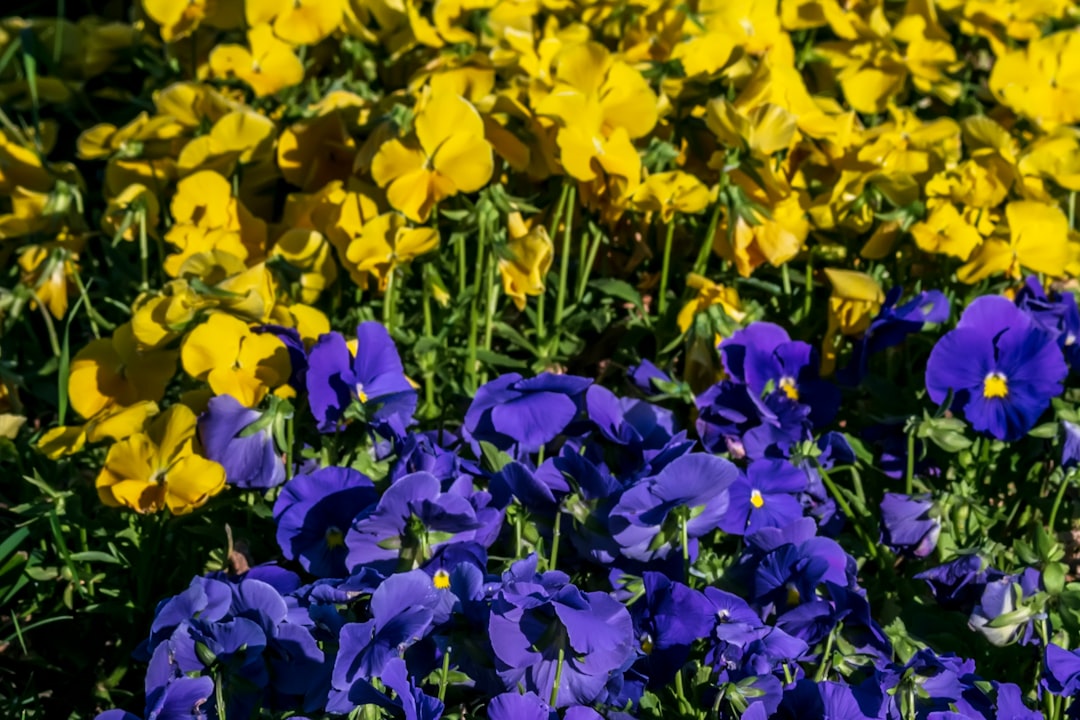
The Allure of Indoor Trees: Elevating Your Space
The Allure of Indoor Trees: Elevating Your Space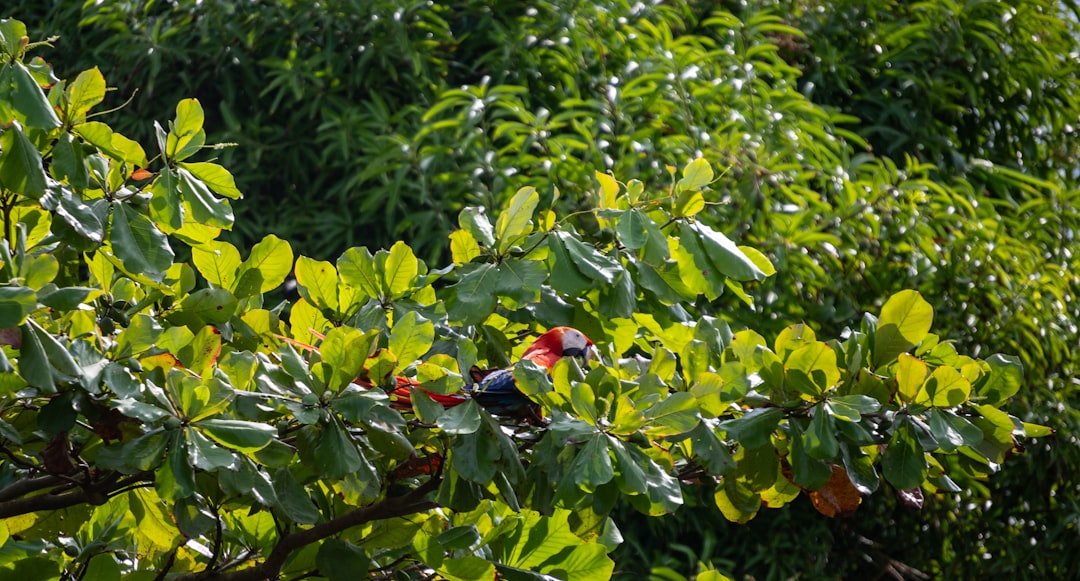
Reviving Your Peace Lily: Unveiling the Secrets Behind Brown-Tipped Leaves
Reviving Your Peace Lily: Unveiling the Secrets Behind Brown-Tipped Leaves
The Secret to Thriving Houseplant Multiplication
The Secret to Thriving Houseplant Multiplication
The Secret to a Thriving Indoor Plant Oasis
The Secret to a Thriving Indoor Plant Oasis


