Peach trees are a delightful addition to any garden, offering juicy, sweet fruits that are a favorite among many. However, like any other plant, they are susceptible to a variety of diseases and pests that can significantly impact their health and productivity. In this article, we will explore some of the most common peach tree diseases and pests and discuss effective strategies to combat them.
One of the most prevalent diseases affecting peach trees is peach leaf curl. This fungal disease causes the leaves to curl, distort, and turn red or purple. In severe cases, it can lead to defoliation, which weakens the tree and reduces fruit production. To prevent peach leaf curl, it is essential to apply a fungicide spray in the fall or early spring before the buds open. Copper-based fungicides are commonly used for this purpose. Additionally, maintaining good tree hygiene by removing and destroying infected leaves can help reduce the spread of the disease.
Another common disease is brown rot, which affects both the fruit and the blossoms. Brown rot is caused by a fungus that thrives in warm, humid conditions. It causes the fruit to rot and develop a fuzzy brown mold. To control brown rot, it is important to remove and destroy any infected fruit or blossoms as soon as they are noticed. Pruning the tree to improve air circulation can also help reduce the humidity around the fruit, making it less susceptible to the disease. Fungicide sprays can be applied during the blooming period and again when the fruit is approaching maturity to prevent infection.
Peach scab is yet another fungal disease that affects the fruit. It causes dark, scabby lesions to form on the skin of the peaches, making them less appealing and reducing their market value. To prevent peach scab, it is recommended to apply a fungicide spray starting in early spring and continuing at regular intervals throughout the growing season. Good tree spacing and pruning to improve air circulation can also help reduce the humidity and prevent the development of the disease.
In addition to diseases, peach trees are also prone to a variety of pests. One of the most common pests is the peach tree borer. These insects lay their eggs at the base of the tree, and the larvae tunnel into the trunk, causing damage to the tree's vascular system. To prevent peach tree borers, it is important to keep the base of the tree clean and free of debris. Applying a trunk spray or wrapping the trunk with a protective material can also help deter the adult borers from laying their eggs. If an infestation is detected, the larvae can be removed manually or treated with an insecticide.
Another pest that can cause significant damage to peach trees is the aphid. Aphids are small, soft-bodied insects that feed on the sap of the leaves and stems. They can cause the leaves to curl, yellow, and distort, and they can also transmit viruses from one plant to another. To control aphids, it is important to monitor the trees regularly and take action at the first sign of an infestation. Natural predators such as ladybugs and lacewings can help keep aphid populations in check. In severe cases, insecticidal soaps or neem oil can be used to control the aphids.
The plum curculio is another pest that can cause damage to peach trees. These insects lay their eggs in the fruit, and the larvae feed on the developing peaches, causing them to drop prematurely. To prevent plum curculio damage, it is important to apply an insecticide spray when the fruit is small and again when it is approaching maturity. Shaking the tree branches early in the morning and collecting the fallen insects can also help reduce the population of plum curculios.
In conclusion, maintaining healthy peach trees requires vigilance and proactive management. By being aware of the common diseases and pests that affect peach trees and taking appropriate preventive and control measures, you can ensure that your peach trees remain healthy and productive. Regular monitoring, proper tree care, and the use of appropriate pesticides and fungicides when necessary are all essential components of a successful peach tree management program. With a little effort and attention, you can enjoy a bountiful harvest of delicious peaches year after year.
The Enchanting Allure of the Hawthorn Tree
The Enchanting Allure of the Hawthorn Tree
The Magic of Low - Maintenance Shade Trees in Your Landscape
The Magic of Low - Maintenance Shade Trees in Your Landscape
Blue Hydrangeas: A Splash of Color in Your Garden
Blue Hydrangeas: A Splash of Color in Your Garden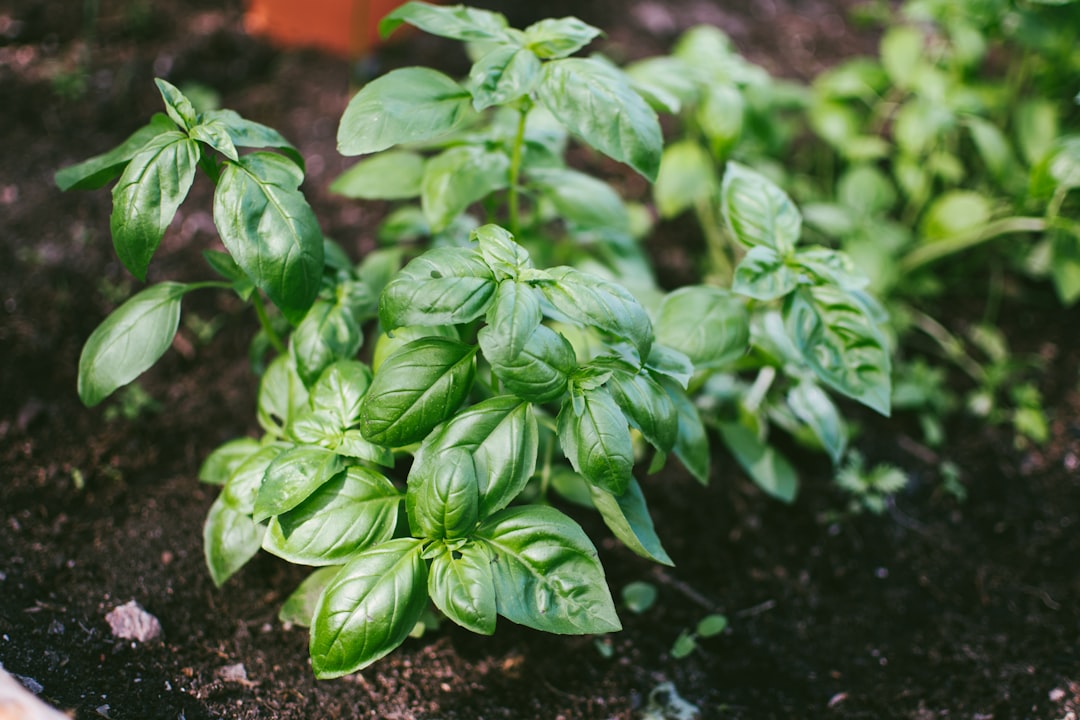
Unveiling the Mysteries of Lawn Mushroom Circles and Prevention Tips
Unveiling the Mysteries of Lawn Mushroom Circles and Prevention Tips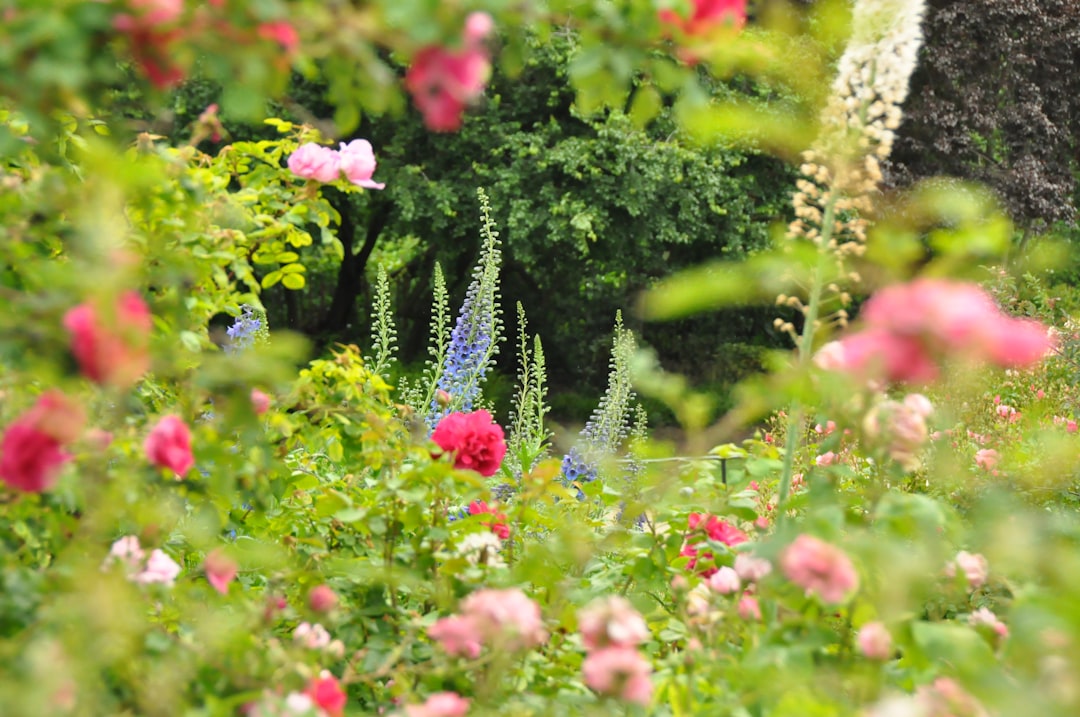
The Secret to a Thriving Yard: Fertilizer Mastery
The Secret to a Thriving Yard: Fertilizer Mastery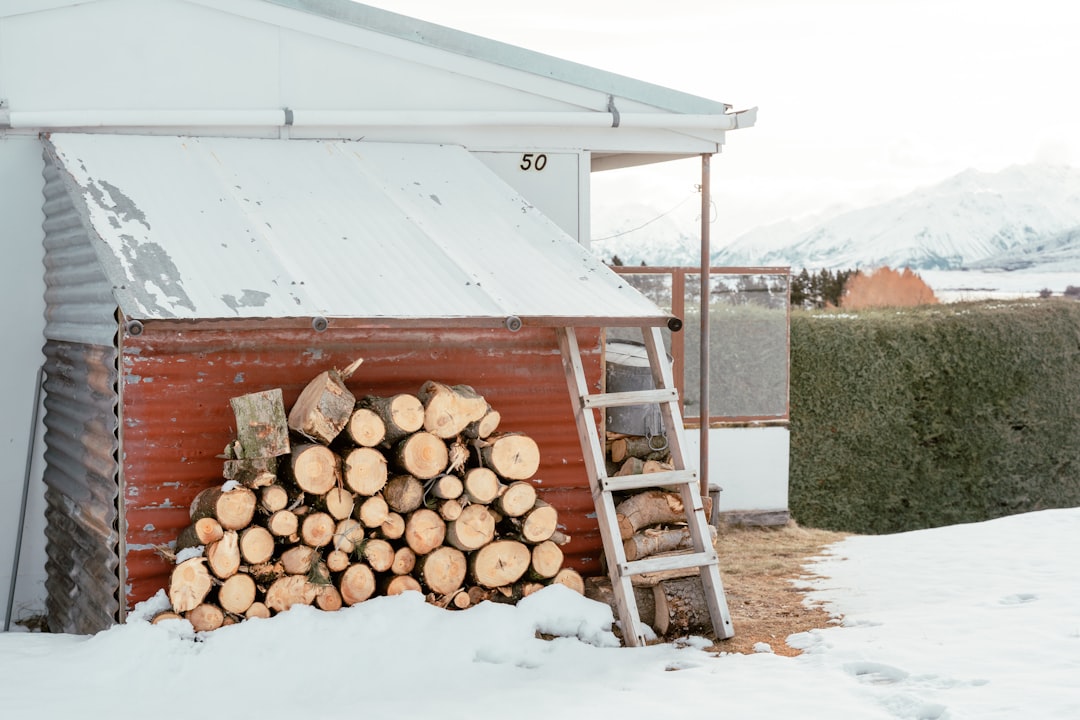
Pre - Winter Yard Preparation: A Smart Move
Pre - Winter Yard Preparation: A Smart Move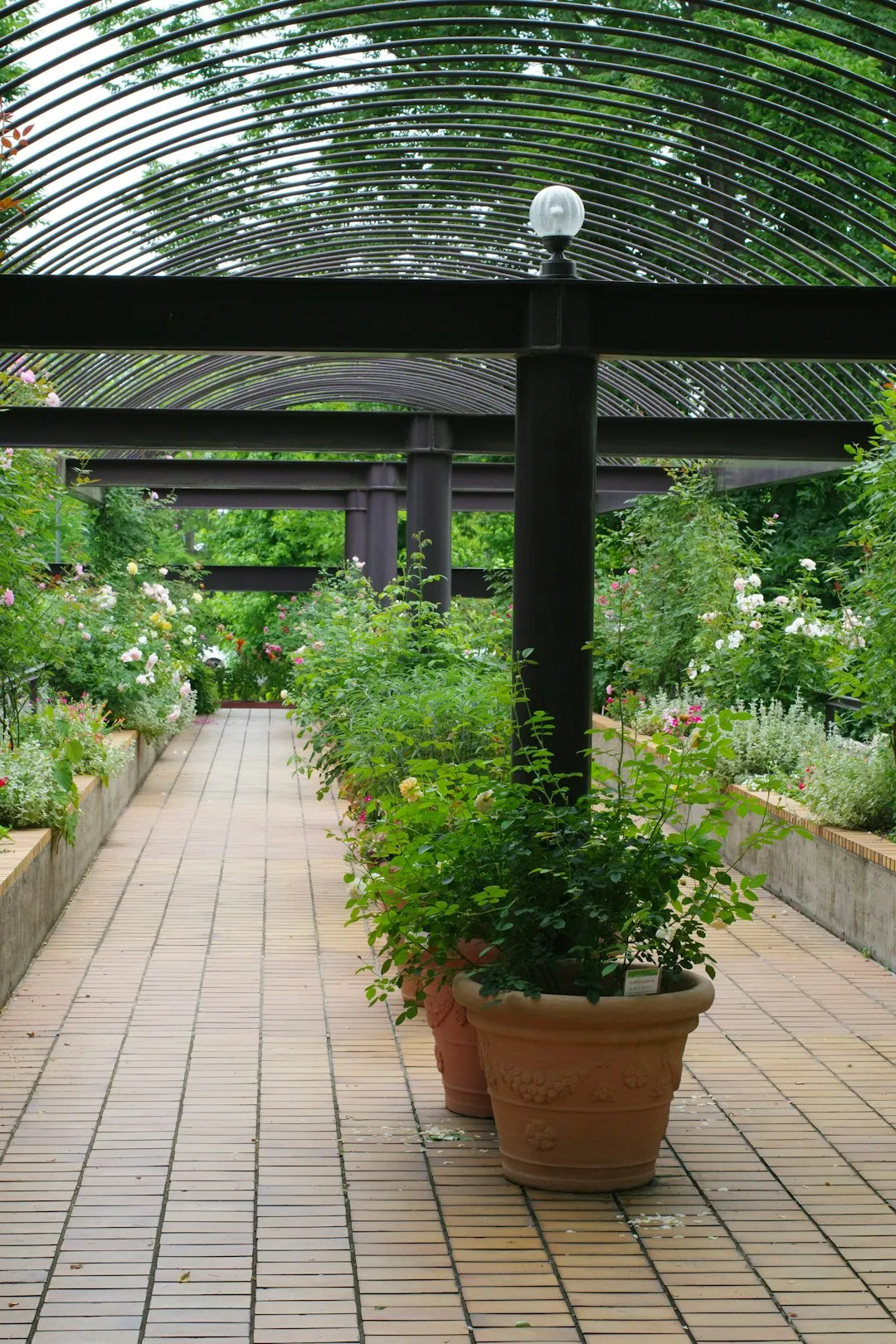
Gardening's Tiny Menace: Cucumber Beetles Unveiled
Gardening's Tiny Menace: Cucumber Beetles Unveiled
Reclaim Your Container Gardens from Ants
Reclaim Your Container Gardens from Ants
Nature's Defense: Keeping Fleas and Ticks at Bay with Garden Plants
Nature's Defense: Keeping Fleas and Ticks at Bay with Garden Plants
Battling the Tiny Invaders in Your Garden
Battling the Tiny Invaders in Your Garden
The Hidden Gems of Your Garden: Alpine Strawberries
The Hidden Gems of Your Garden: Alpine Strawberries
Unveiling the Secrets of Lavender Harvesting
Unveiling the Secrets of Lavender Harvesting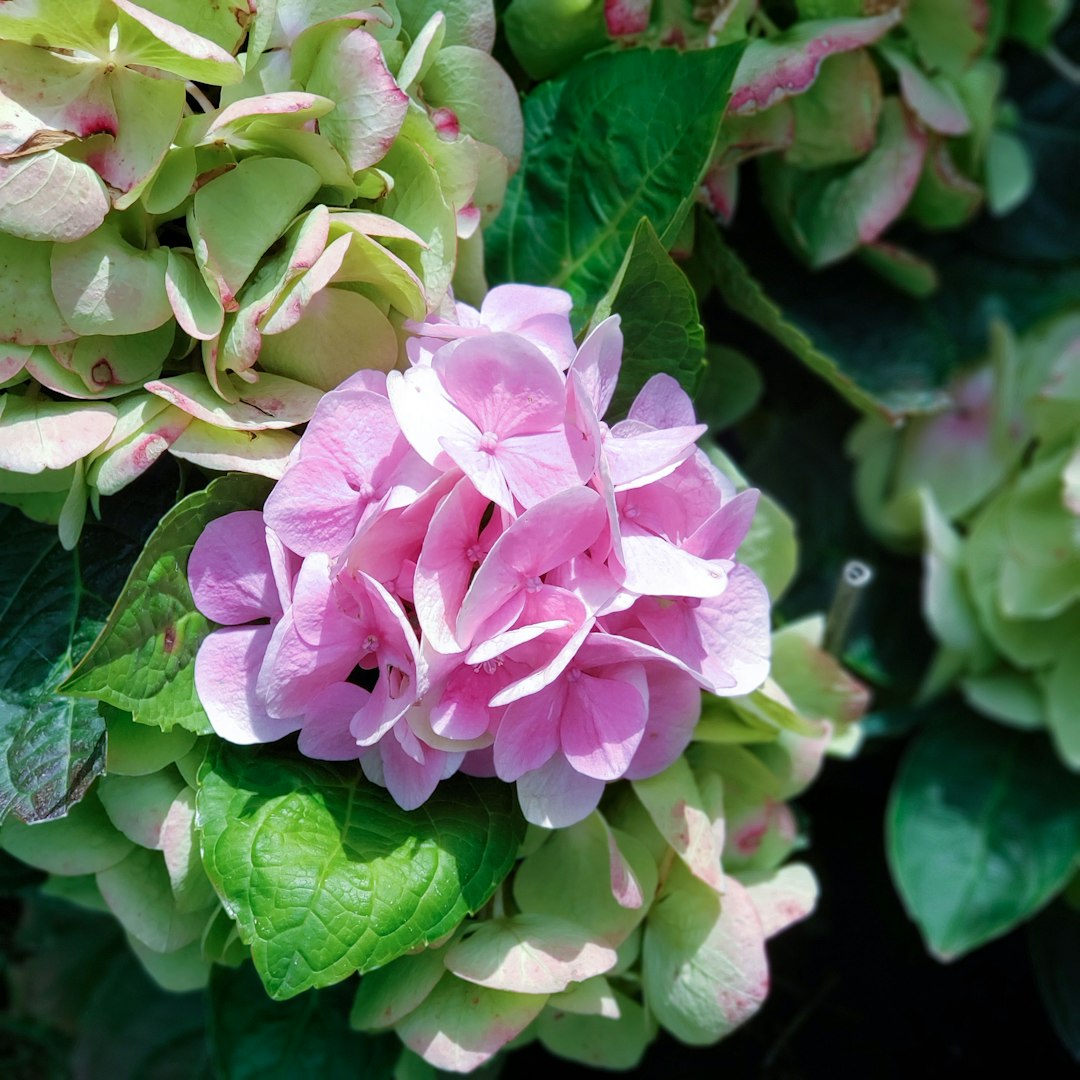
Unveiling the Secrets of Kale Harvesting
Unveiling the Secrets of Kale Harvesting
The Secret to Thriving Indoor Plants: Fertilization Guide
The Secret to Thriving Indoor Plants: Fertilization Guide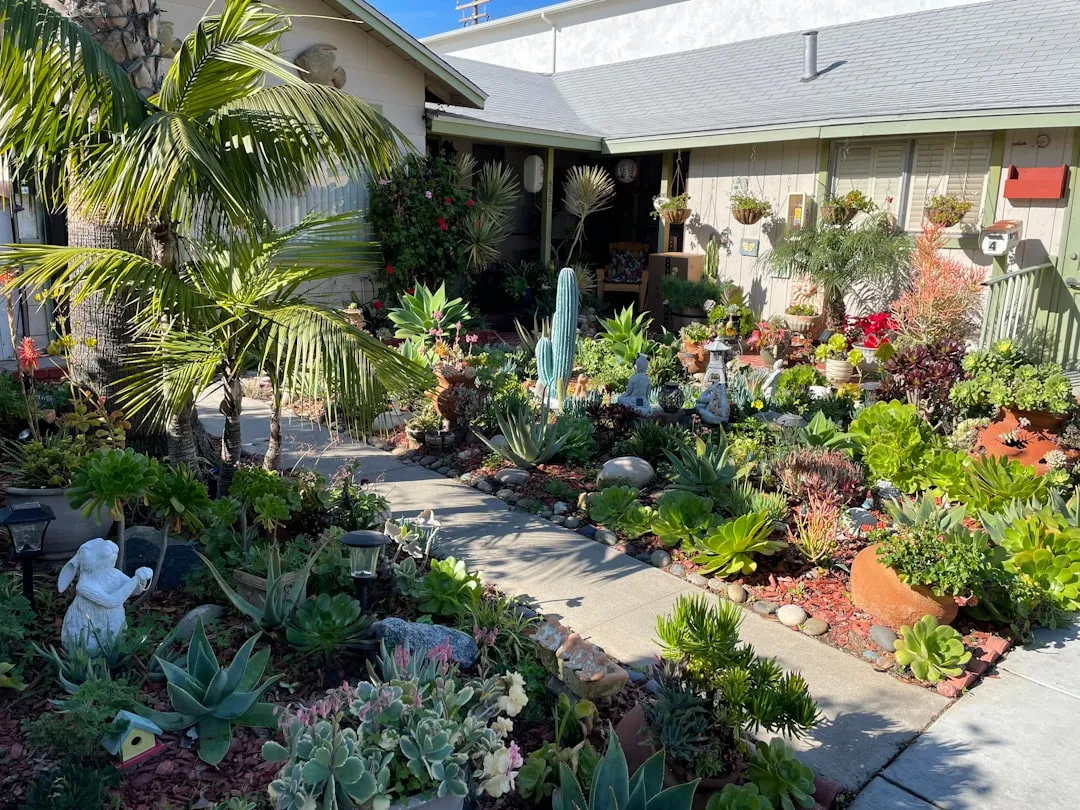
The Secret to Thriving Aloe Vera in Your Home
The Secret to Thriving Aloe Vera in Your Home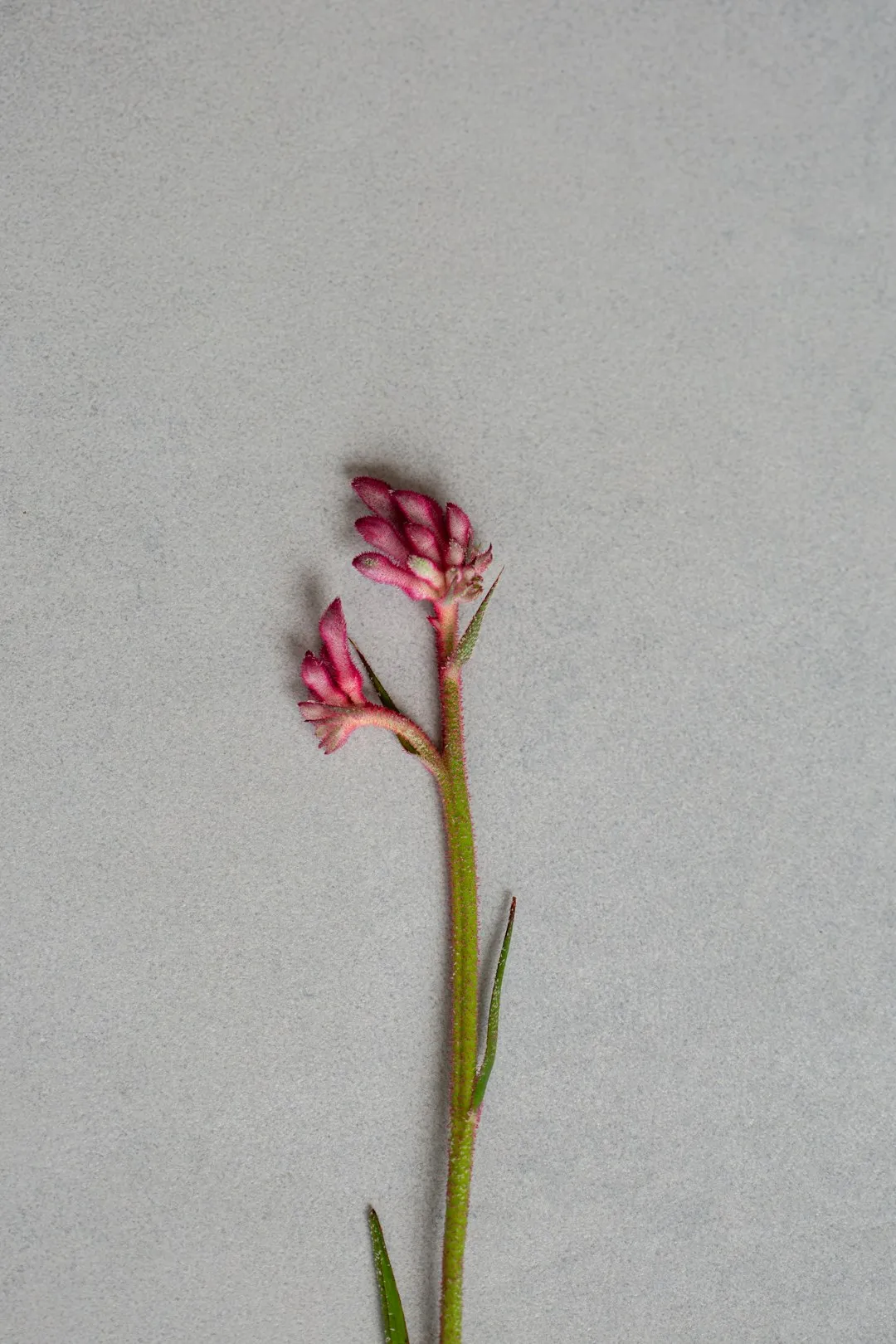
The Secret to Thriving Indoor Plants: Pot Selection
The Secret to Thriving Indoor Plants: Pot Selection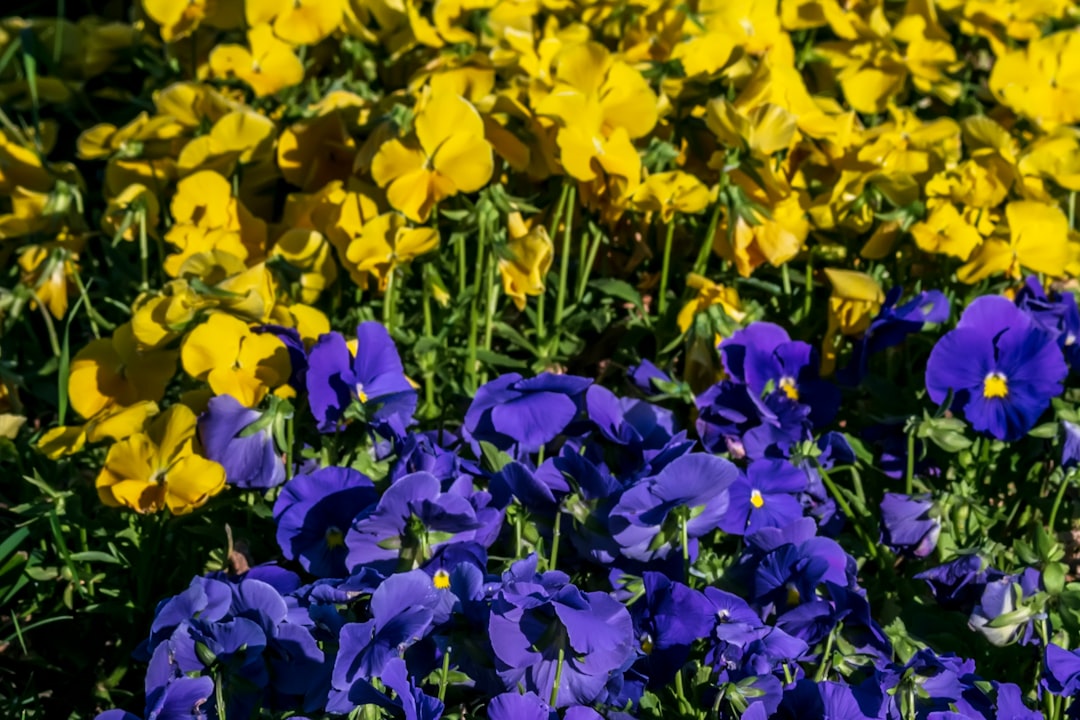
The Allure of Indoor Trees: Elevating Your Space
The Allure of Indoor Trees: Elevating Your Space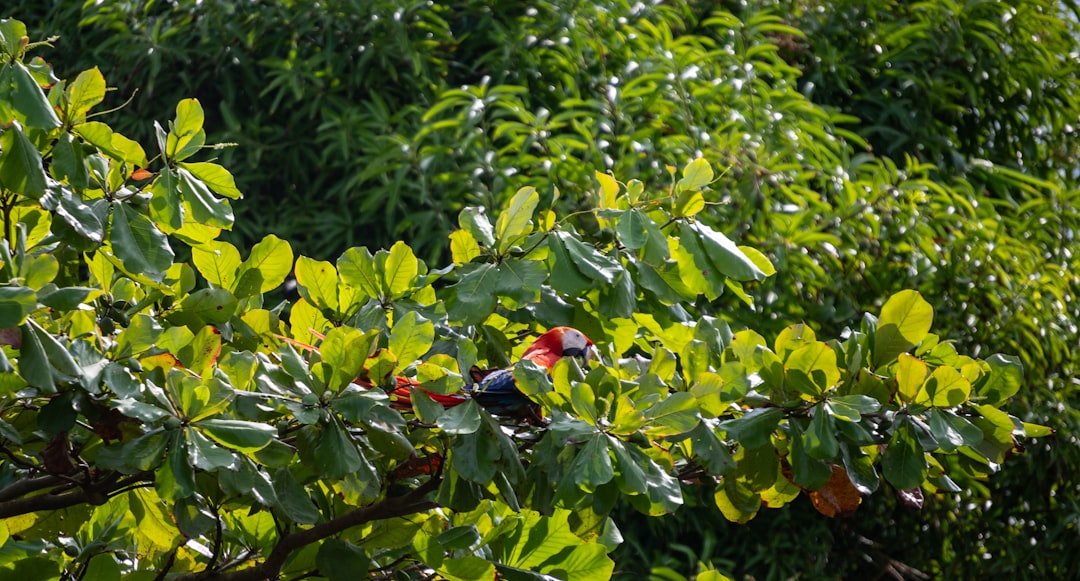
Reviving Your Peace Lily: Unveiling the Secrets Behind Brown-Tipped Leaves
Reviving Your Peace Lily: Unveiling the Secrets Behind Brown-Tipped Leaves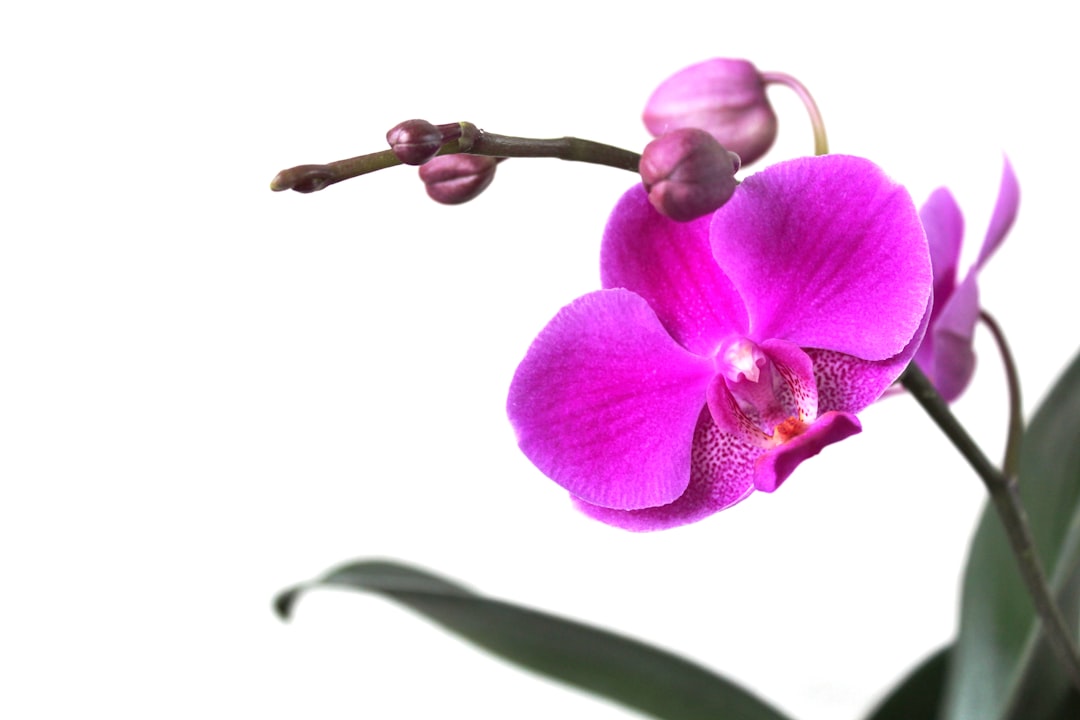
The Secret to Thriving Houseplant Multiplication
The Secret to Thriving Houseplant Multiplication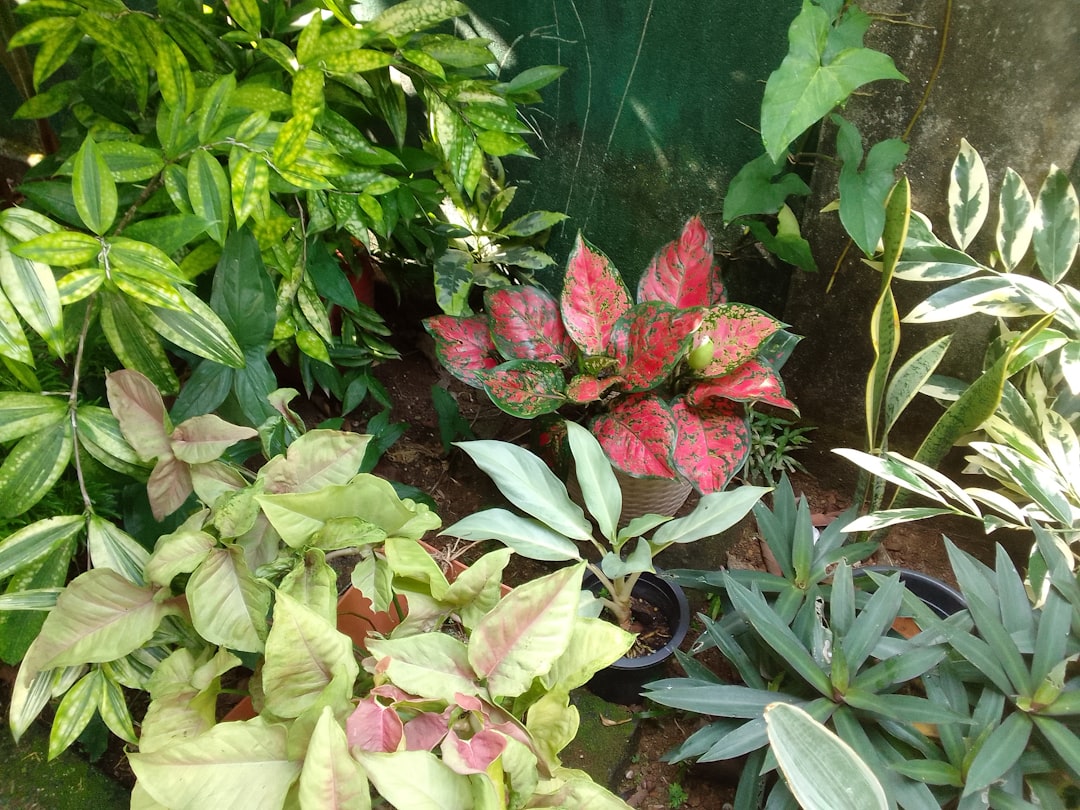
The Secret to a Thriving Indoor Plant Oasis
The Secret to a Thriving Indoor Plant Oasis


